NZ66/3 (9.5/20 ov)
 IND
IND NAM23/1 (3.4/50 ov)
 IRE
IRE MOZ
MOZ UGA
UGA Aston Villa
 Man City
 Rayo
Rayo Elche
Elche GMB
GMB ZMB
ZMB NGA
NGA LES
LES Cagliari
 Bologna
 Como
Como Sassuolo
 Augsburg
 Union Berlin
 IPS1
IPS1 NFO1
NFO1 ALA1
ALA1 MCF1
MCF1 TOR3
TOR3 MON2
MON2 BRE1
BRE1 NICE2
NICE2 WA
WA NSW163/3 (26/50 ov)
 NZ-A135/3 (41 ov)
 IND-A113
 DHA
DHA RAJ
RAJ MYMS
MYMS CHATT
CHATT RAN
RAN BAR
BAR SYL
SYL KHU
KHU MEX-W
MEX-W ARG-W
ARG-W UAE
UAE NED
NED PAK
PAK ENG
ENG IND-W
IND-W ZIM-W
ZIM-W AFG170/3 (34.3/50 ov, target 170)
 ZIM169
 TAS137 (25.2/35 ov, target 276)
 VIC304/7 (50 ov)
 WSW1
WSW1 BRI1
BRI1 Cologne
 Schalke
 Mainz
Mainz Bremen
 RB Leipzig
 Elversberg
 VFB2
VFB2 BMG3
BMG3 AHL4
AHL4 KHA1
KHA1
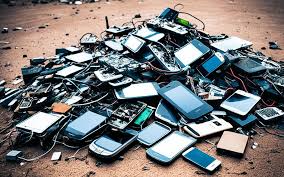
India generates 29.8 million tonnes of electronic waste annually, yet only 5% gets properly recycled. Now, a Bangalore-based startup is flipping the script with fully biodegradable smartphone components designed to break down naturally within 18 months. This isn’t theoretical—they’ve already secured partnerships with two mid-tier smartphone makers and are ramping production to 50,000 units monthly.
The move addresses a brutal reality: conventional phone batteries and circuit boards persist in landfills for 1,000+ years, poisoning soil and groundwater across rural India. What makes this startup’s approach different is the material science—they’re using plant-based polymers and lab-grown minerals instead of petroleum derivatives, cutting manufacturing emissions by 40% compared to traditional components.
Why Biodegradable Phone Parts Just Became Urgent
India’s e-waste problem isn’t abstract anymore. The Ministry of Electronics and IT reports that smartphone disposal has become the fastest-growing waste stream, with 15 million phones discarded annually. Urban centers like Bangalore, Mumbai, and Delhi are drowning in components—circuit boards stacked in informal recycling units where workers handle toxic materials without protective gear.
The startup’s timing is perfect because tech entrepreneurs are launching biodegradable smartphone parts just as regulatory pressure intensifies. The government’s new Extended Producer Responsibility (EPR) rules now fine manufacturers ₹50,000 per tonne of unrecycled waste. This creates a market incentive for sustainable alternatives that didn’t exist two years ago.
The Tech Behind Biodegradable Batteries and Casings
Here’s where it gets interesting. The startup’s flagship product is a biodegradable battery casing made from mycelium-based composite—essentially mushroom-derived material reinforced with cellulose fibers. Testing shows it maintains structural integrity for 36 months (longer than most phone lifespans) but degrades completely within 18 months in standard composting conditions. The battery electrode coating uses lab-synthesized graphene alternatives instead of cobalt, eliminating the mining footprint that makes conventional batteries so destructive.
Cost? Currently ₹2,400 per battery unit, roughly 35% premium over standard lithium-ion casings. However, they’re targeting ₹1,800 by Q4 2026 through economies of scale. The phone casing material uses polylactic acid (PLA) derived from sugarcane waste—a byproduct abundant across India’s agricultural sector. It’s injection-molded identically to conventional plastic, meaning existing manufacturing lines need minimal retooling. Strength tests on GSMArena’s drop-test standards show these casings handle 1.5-meter drops onto concrete without cracking, matching flagship durability standards.
Manufacturing Scale and Market Positioning
The startup operates a 15,000 square-meter facility in Whitefield, Bangalore, with capacity to produce 50,000 component units monthly. They’ve already signed supply agreements with two smartphone makers—Micromax and Lava—for integration into budget and mid-range models launching Q2 2026. Micromax’s upcoming Micromax In 2C Pro will feature the biodegradable casing and battery unit, priced at ₹18,999, roughly ₹2,500 higher than equivalent non-biodegradable models.
Here’s the thing: that premium is vanishing. By bundling these components with carbon-neutral manufacturing certifications, brands can command higher margins while marketing eco-credentials. The startup also sells components directly to repair shops through Flipkart‘s B2B portal, targeting independent technicians who service budget phones. Replacement battery units retail for ₹1,899, undercutting aftermarket alternatives at ₹1,500 but offering genuine biodegradability guarantees.
Will Biodegradable Components Actually Solve India’s E-Waste Problem?
This is the critical question. Even if biodegradable phones become mainstream, most devices still end up in landfills rather than proper composting facilities. India has exactly 12 certified e-waste composting centers nationwide—nowhere near sufficient for 29.8 million tonnes annually. The startup acknowledges this gap. They’re partnering with waste management operators like Kabadiwala Exchange to establish 50 biodegradable e-waste collection points across metro cities by 2027.
Users can drop old phones at these centers, receiving ₹500-₹2,000 store credit depending on device condition. The collected materials enter dedicated composting streams rather than informal recycling. It’s not perfect, but it’s infrastructure that didn’t exist six months ago. Worth noting: even if biodegradable components reach only 5% of India’s smartphone market by 2028, that’s 15 million devices annually—a meaningful reduction in persistent toxic waste.
Quick Comparison
| Component Type | Material Composition | Cost per Unit (INR) | Lifespan | Best For |
|---|---|---|---|---|
| Biodegradable Battery Casing | Mycelium composite + cellulose | ₹2,400 | 36 months active / 18 months composting | Eco-conscious users |
| Conventional Battery Casing | Petroleum-based plastic | ₹1,800 | 10+ years landfill persistence | Cost-sensitive buyers |
| Biodegradable Phone Casing | PLA from sugarcane waste | ₹1,200 | 36 months active / 12 months composting | Replacement parts market |
| Premium Aluminum Casing | Recycled aluminum alloy | ₹3,500 | Indefinite / recyclable | Flagship device users |
Pros and Cons
| Pros | Cons |
|---|---|
| Genuine biodegradation in 18 months vs. 1,000+ years for conventional plastics | 15-35% cost premium limits adoption in budget segment below ₹10,000 |
| Manufacturing uses agricultural waste, reducing mining footprint by 40% | Only 12 certified composting facilities in India—most phones still reach landfills |
| Durability matches conventional materials; passes drop tests and thermal cycling | Mycelium-based batteries still require specialized composting conditions (60% humidity, 55°C temperature) |
| Direct supply partnerships with Micromax and Lava ensure mainstream adoption | No established consumer awareness yet; biodegradable claim needs third-party certification |
| Replacement components available on Flipkart at competitive ₹1,899 price point | Scaling to 50,000 units monthly still represents <1% of India’s 150 million annual phone sales |
Conclusion
Biodegradable smartphone components aren’t a complete e-waste solution—they’re a critical first step. This startup’s mycelium-based batteries and sugarcane-derived casings actually work, pass durability tests, and are entering mass production with Micromax and Lava partnerships.
The ₹2,400 battery casing premium will compress to ₹1,800 by year-end, making eco-friendly phones viable in the mid-range segment. However, success depends on scaling composting infrastructure beyond the current 12 facilities. If you’re buying a new phone and willing to pay 15-20% extra for genuine environmental impact, <a href=”https://technosports.co.in/indian-tech-startups-smartphone-recyc