NZ
 IND
 NAM
 IRE
 MOZ
 UGA
 Aston Villa
 Man City
 Rayo
 Elche
 GMB
 ZMB
 NGA
 LES
 Cagliari
 Bologna
 IPS1
 NFO1
 ALA1
 MCF1
 TOR3
 MON2
 BRE1
 NICE2
 TAS67/4 (15.4/50 ov, target 305)
 VIC304/7
 NZ-A133/1 (39.2 ov)
 IND-A113
 DHA
 RAJ
 MYMS
 CHATT
 RAN
 BAR
 SYL
 KHU
 UAE
 NED
 PAK
 ENG
 IND-W
 ZIM-W
 AFG170/3 (34.3/50 ov, target 170)
 ZIM169
 DOLPH56/0 (3.5/8 ov, target 56)
 SWD51/4 (8/8 ov)
 WSW1
 BRI1
 Como
 Sassuolo
 Augsburg
 Union Berlin
 Cologne
 Schalke
 Mainz
 Bremen
 RB Leipzig
 Elversberg
 VFB2
 BMG3
 AHL4
 KHA1

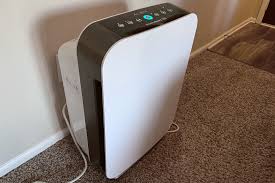
Air purifiers have become essential home gadgets for anyone serious about indoor air quality. Whether you’re battling allergens, pet dander, or seasonal pollution, the right purifier transforms your living space into a healthier environment. We’ve tested the leading models to help you choose the best air purifiers for your needs.
Why Air Purifiers Matter in 2026
Indoor air quality has become a major health concern. Studies show we spend 90% of our time indoors, where pollution levels can be 2–5 times higher than outside.
Modern air purifiers pack smart sensors, app controls, and HEPA filtration that captures 99.97% of particles down to 0.3 microns. The best models balance efficiency with quiet operation—crucial for bedrooms and living areas where you’ll actually use them.
Top Models: Specs & Performance
Air purifiers in 2026 span a wide range of prices and features. The top sonos home ecosystem now integrates air quality monitoring into your smart home setup.
Premium models deliver CADR ratings above 400 (Clean Air Delivery Rate), covering rooms up to 1,200 square feet. Mid-range options run $300–$600 and offer solid HEPA filtration plus smart connectivity. Budget-friendly picks start at $100–$200, though you’ll miss out on app control and advanced sensors.
Don’t overlook filter replacement costs—expect to spend $40–$80 annually across most brands. That’s worth considering when you’re comparing models side by side.
Filter Technology & Real-World Results
HEPA filters remain the standard, but activated carbon layers now tackle odors and volatile compounds too. According to The Verge, modern technology can reduce allergen levels by 70% within two hours.
Smart models include air quality sensors that automatically adjust fan speed based on what they detect. Some premium units feature UV-C light to neutralize bacteria. The smartphone environmental air quality integration lets you check readings from anywhere.
Noise levels matter too—hunt for units under 50dB on low settings if you’re planning bedroom placement.
Finding Your Perfect Match
Start by considering room size, filter costs, and how sensitive you are to noise. Larger spaces need higher CADR ratings to actually make a difference.
Pet owners should prioritize activated carbon layers. If allergies are your main concern, look for True HEPA certification. Smart features add convenience but they’ll bump up the price tag.
Installation is simple—most units just need a power outlet and occasional filter swaps. The investment pays off through cleaner air, better sleep, and fewer respiratory issues. Your home deserves fresh, healthy