Moving Tech Innovations (MTI), the Bengaluru-based company behind Namma Yatri, has been invited to the World Economic Forum’s Urban Transformation Summit 2026 in Geneva. Its pitch: help major European cities build open, sovereign mobility infrastructure, the same idea that has powered close to 200 million trips in India with drivers paying zero commission. Here is what the announcement means.
Namma Yatri’s MTI’s Europe Move
| Detail | Info |
|---|---|
| Company | Moving Tech Innovations (MTI), Bengaluru |
| Best-known platform | Namma Yatri |
| Event | World Economic Forum’s Urban Transformation Summit 2026, Geneva |
| Announcement date | October 15, 2026 |
| Goal | Help European cities build open, sovereign public mobility infrastructure |
| European base | Subsidiary headquartered in Amsterdam, via the acquisition of Automicle |
| Scale in India | Close to 200 million trips facilitated |
What Is MTI Proposing?
MTI wants to work with major European cities on public mobility infrastructure that is open and locally governed. The key promise is control: cities keep authority over policy and data, while operators stay independent.
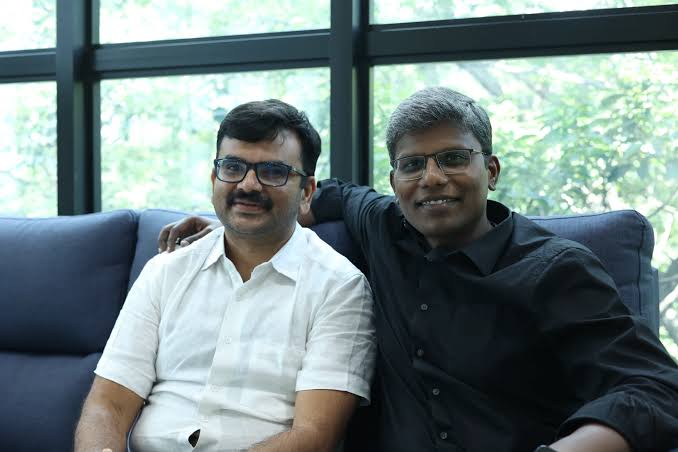
The company says it is not importing an Indian app. Its Europe MD, Mohit Mishra, stressed that it is bringing the model MTI began in India: open infrastructure, community participation and technology at population scale, built with local ecosystems and shaped by local priorities.
The India Playbook: Samaaj, Sarkaar, Bazaar
MTI’s approach rests on three pillars: community (Samaaj), government (Sarkaar) and business (Bazaar). The idea is to bring all three together to deliver affordable, integrated and sustainable mobility.
The company compares its vision to UPI, which showed that open, shared digital rails can power an economy of India’s size. MTI believes mobility can follow the same path: common infrastructure that many players can build on, with cities, operators, drivers and communities holding the controls.
The Platforms Behind the Numbers
| Platform | Region |
|---|---|
| Namma Yatri | Bengaluru and beyond |
| Chennai One | Chennai |
| Yatri Sathi | Part of MTI’s network |
| Kerala Savaari | Kerala |
| Odisha Yatri | Odisha |
| Bharat Taxi | Part of MTI’s network |
Together these have facilitated close to 200 million trips. They are built on the Beckn Protocol, an open-source, decentralised standard that enables transactions across different platforms. They also connect to India’s ONDC network, which lets drivers keep 100% of fares through a subscription-led model rather than a commission cut.
For more tech and startup coverage, browse our business and tech news on Technosports.
How MTI Has Built Its European Foothold?
- Acquisition: MTI bought Netherlands-based Automicle, which became its European base.
- Partnership: It has teamed up with the Dutch foundation Stichting FINOMAD to advance Open Public Mobility in Europe.
- Global stage: At the WEF, MTI briefed audiences on its plan to work with major European cities.
What the Founders Said?
Co-founder Shan MS noted that for decades, big ideas in urban mobility came to India from elsewhere, and that ideas built with Bengaluru’s auto drivers, Chennai’s commuters and Gujarat’s driver cooperatives are now finding global relevance. That framing positions India as a source of mobility innovation, not just a market.
Why This Matters?
- Data and policy control: Cities, not a single platform, hold the controls.
- Driver-friendly model: Subscription-led pricing lets drivers keep full fares.
- Open standards: Beckn and ONDC allow many players to operate on shared rails.
- Reverse flow of ideas: An India-built model is now being offered to Europe.
Interested in how startups are reshaping everyday services? Check our startup stories and latest tech news for more.
What Remains to Be Seen?
The announcement outlines intent, so a few things are still open:
- Which European cities will partner with MTI
- Timelines for any pilots or launches
- How the model adapts to Europe’s regulations and existing operators
Frequently Asked Questions
Q1. What is MTI planning in Europe?
MTI plans to help major European cities build open, sovereign public mobility infrastructure that lets cities keep control of policy and data while operators stay independent.
Q2. How do drivers earn on MTI-powered platforms in India?
Drivers keep 100% of fares through a subscription-led model instead of paying commission.