NZ
 IND
 NAM
 IRE
 MOZ
 UGA
 Aston Villa
 Man City
 Rayo
 Elche
 GMB
 ZMB
 NGA
 LES
 Cagliari
 Bologna
 IPS1
 NFO1
 ALA1
 MCF1
 TOR3
 MON2
 BRE1
 NICE2
 TAS67/4 (15.4/50 ov, target 305)
 VIC304/7
 NZ-A133/1 (39.2 ov)
 IND-A113
 DHA
 RAJ
 MYMS
 CHATT
 RAN
 BAR
 SYL
 KHU
 UAE
 NED
 PAK
 ENG
 IND-W
 ZIM-W
 AFG170/3 (34.3/50 ov, target 170)
 ZIM169
 DOLPH56/0 (3.5/8 ov, target 56)
 SWD51/4 (8/8 ov)
 WSW1
 BRI1
 Como
 Sassuolo
 Augsburg
 Union Berlin
 Cologne
 Schalke
 Mainz
 Bremen
 RB Leipzig
 Elversberg
 VFB2
 BMG3
 AHL4
 KHA1

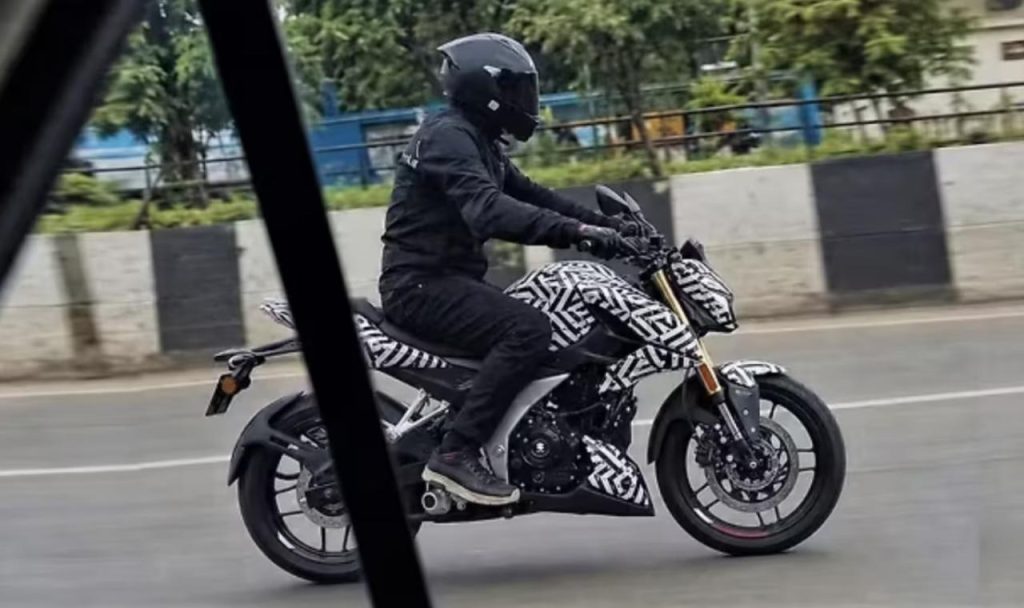
Bajajpulsarn 60: A Bajaj Pulsar N160 has been spotted testing ahead of its launch scheduled for August 12, 2026. This brings attention back to Bajaj Auto’s competitive 160cc offering. Right now, timing is key: these test sightings often indicate final validation work, so what we see on the road carries more weight than mere showroom rumors.
Here’s what the August 5, 2026 update means for anyone keeping an eye on the latest Bajaj Pulsar testing, and what to look out for before launch day.
What exactly is being tested ahead of August 12?
The model in testing is the Bajaj Pulsar N160, with details coming from the automotive news platform Gaadiwaadi. Test vehicles are essential for validating aspects that can’t be confirmed on paper—like stability at speed, real-world switchgear performance, cooling efficiency, and throttle response under different conditions.
The takeaway is simple: when a model tests this close to launch, it’s usually in the “finish and freeze” stage. This means any changes are likely to be minor tweaks rather than major overhauls. For riders, this insight is valuable; it gives a glimpse into how ready the bike is.
Why do “caught testing” sightings matter more than specs?
Spec sheets might be drafted early, but real-world testing proves their worth. Seeing a Bajaj Pulsar N160 in action signals that the company is pushing through durability and compliance checks, which typically align with final supplier approvals. This includes ensuring accurate sensor readings, confirming idle quality, and examining how the bike performs under repeated accelerations that reflect daily Indian commuting.
Here’s the thing: riders often fixate on peak power or impressive numbers, but “caught testing” often indicates the final tuning phase—ergonomics, switchgear feel, and ride comfort across different rider weights and pillion loads. If Bajaj Auto aims for everyday usability in this segment, that intent will show in what testers are focusing on—elements riders notice from day one, not just in brochures.
What should Indian riders watch for during the final days before launch?
Keep an eye out for clues about how the bike will perform in daily use, not just how it looks in pictures. Even without official details, we can be systematic: check if the motorcycle runs smoothly at speed, if the rider’s posture seems comfortable for Indian riders of varying heights, and how the bike behaves on rough surfaces.
Final test cycles usually focus on tightening the “annoyance factors”—like jerkiness at part throttle, vibrations at certain RPM ranges, and any hesitation during gear shifts or quick throttle inputs. For commuters, these are the details that determine whether a 160cc bike becomes a long-term favorite. If Bajaj Auto is set on enhancing the Pulsar‘s appeal, the last stages of tuning will likely focus on real-world smoothness and dependability.
How does this fit the wider Bajaj Pulsar strategy—especially around the 250cc pull?
Pulsar buyers in India don’t make choices in a vacuum: the 160cc and 250cc models shape expectations for design, refinement, and value.
The Pulsar brand revolves around performance-for-price and a sporty look, but riders also expect ongoing improvements in daily usability as competitors raise their game. That’s why the market closely watches Bajaj Auto’s movements across various Pulsar lines simultaneously.
If Bajaj Auto is gearing up for an N160 launch on August 12, 2026, it likely fits into a broader strategy to maintain Pulsar’s momentum. For riders considering upgrading, this could change what feels “good enough” to buy now instead of waiting.
What’s the smart next move for riders tracking the N160?
Don’t just wait for launch-day photos—look for what unfolds in the final stretch: official teasers, dealership prep, and confirmations of variants. Based on typical launch patterns, the most reliable indicators come when manufacturers align media, service channels, and official communications, rather than when social media buzz circulates without context.
On launch day, riders should evaluate the bike’s everyday riding experience—throttle response, vibration levels, and seating comfort—because that’s where testing typically reveals itself in the final product. If you’re comparing options, also check how the N160 measures up against nearby Pulsar models like the Bajaj Pulsar N250 in terms of ride position and commuter comfort, as that comparison can often determine the final purchase decision.
Bajajpulsarn 60: August 12 is close—use the window wisely
With the Bajaj Pulsar N160 spotted testing ahead of its August 12, 2026 launch, the message is clear: Bajaj Auto is in the late validation phase and gearing up for a product reveal. The smartest move for riders now is to track official updates, watch for reliable signals about real-world usability, and compare the broader Pulsar lineup before making a decision.
Source: Gaadiwaadi