Apple Vision Pro faces its biggest crisis yet, with production halted and marketing budgets slashed by 95% following disappointing sales figures. The M5 chip upgrade failed to revive interest in the $3,499 mixed-reality headset.
Table of Contents
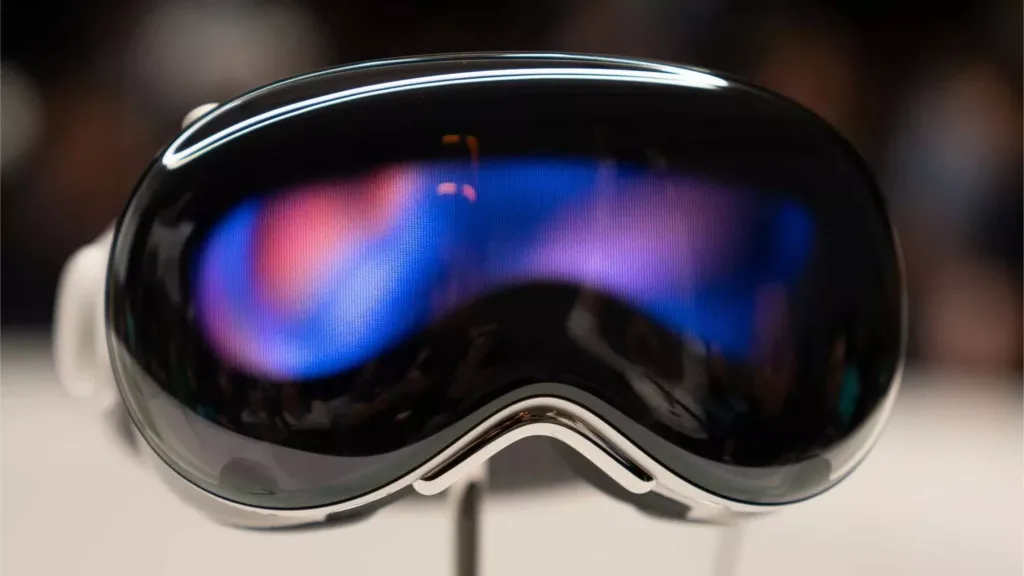
M5 Vision Pro Production Suspended
Manufacturing partner Luxshare halted Vision Pro production in early 2025 after shipping approximately 390,000 units throughout 2024. The October M5 chip upgrade, intended to reinvigorate sales, appears to have utilized existing inventory rather than triggering new manufacturing runs.
IDC projects only 45,000 units sold during Q4 2025’s critical holiday quarter—a devastating figure for Apple standards. The M5 upgrade brought 35% single-core and 36% multi-core performance improvements plus enhanced comfort features through a new Dual Knit Band, yet these enhancements failed to address fundamental adoption barriers.
| Challenge | Impact on Sales | Apple’s Response |
|---|---|---|
| High Price ($3,499) | Limited mainstream reach | No price reduction |
| Weight/Comfort Issues | User fatigue complaints | Added Dual Knit Band |
| Limited App Ecosystem | Only 3,000 apps | Developer incentives |
| Marketing Budget | Cut 95% in US/UK | Strategic retreat |
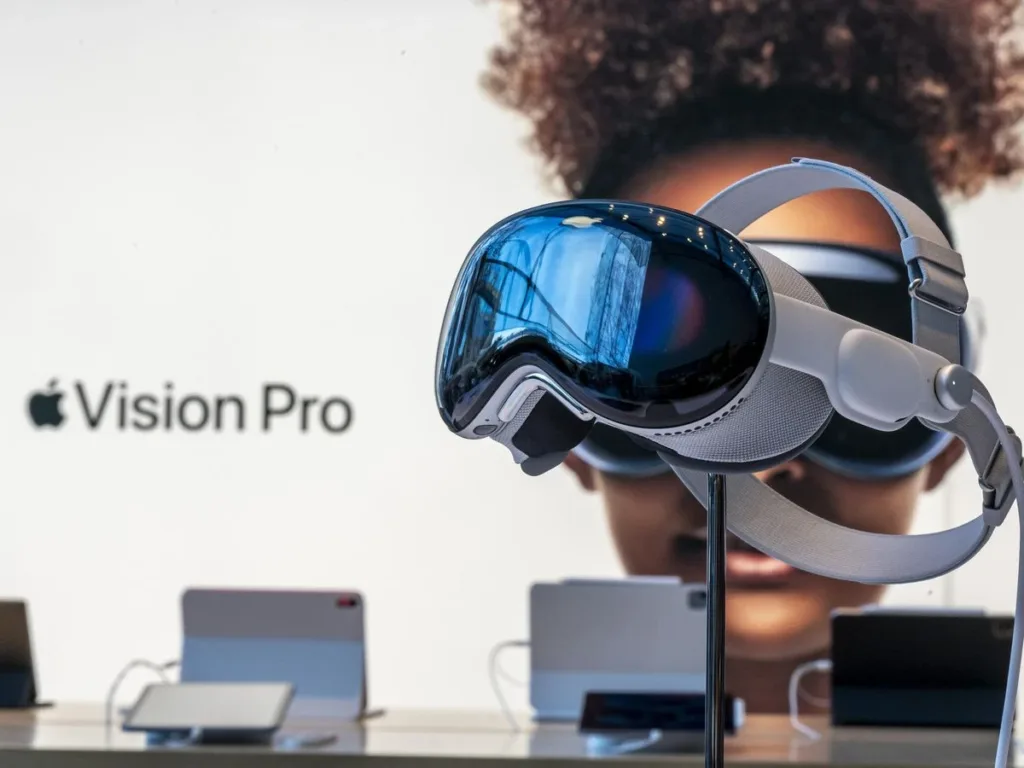
Why Vision Pro Failed to Meet Expectations
The $3,499 price point positioned Vision Pro beyond most consumers’ budgets, competing with MacBook Pro pricing while serving narrower use cases. Weight and comfort complaints persist despite ergonomic improvements, with users reporting headaches after prolonged sessions.
According to multiple industry reports, the limited app ecosystem presents perhaps the most critical hurdle. While Apple claims 3,000 Vision Pro apps exist, major platforms like Netflix and YouTube lack native support, forcing browser-based experiences that fail to justify the premium investment.
The broader VR headset market declined 14% in 2025 per Counterpoint Research, indicating industry-wide challenges beyond Apple’s control. Meta’s Quest series maintains approximately 80% market share despite its own struggles, highlighting spatial computing adoption remains niche.
Apple’s Strategic Pivot
The dedicated Vision Products Group has been dissolved, with engineering teams folded into standard hardware divisions. This organizational restructuring signals Vision Pro’s demotion from standalone “next big thing” to component within Apple’s broader ecosystem.
Digital advertising spend dropped over 95% year-to-date in major markets including the US and UK according to Sensor Tower data. This dramatic marketing withdrawal indicates strategic retreat rather than temporary adjustment.
Apple reportedly planned an affordable “Vision Air” model for 2027, but Samsung’s decision to stop developing panels for the budget device complicates those plans significantly.

Enterprise vs. Consumer Adoption
While consumer demand remains weak, Vision Pro shows traction in enterprise applications including medical training and professional visualization. The device’s premium positioning may ultimately find sustainable market fit within corporate and creative professional segments rather than mainstream consumers.
For skilled developers building spatial computing applications, the M5’s advanced features provide genuine productivity gains. However, this professional audience represents insufficient volume to justify Apple’s massive R&D investment.
What’s Next for Apple’s XR Strategy
Apple’s future mixed-reality efforts likely focus on lighter form factors, particularly smart glasses that competitor Meta actively develops. The Vision Pro served as expensive R&D for eventual consumer-friendly products, though timeline remains uncertain.
For tech enthusiasts tracking Apple’s innovation, Vision Pro’s struggles highlight challenges even industry leaders face launching entirely new product categories at premium pricing without established use cases.
The production halt doesn’t necessarily signal Vision Pro’s complete discontinuation, but it confirms Apple significantly overestimated initial demand for $3,499 spatial computing hardware in 2025’s economic climate.
FAQs
Why did Apple halt Vision Pro production?
Poor sales (45,000 units in Q4 2025) and existing inventory surplus led to manufacturing shutdown.
Will Apple discontinue the Vision Pro completely?
Not confirmed, but 95% marketing cuts and production halt suggest major strategic retreat.