AMD‘s next-generation RDNA 5 gaming GPUs promise massive performance leaps with up to 128 Compute Units and over 12,000 cores, marking AMD’s return to high-end GPU competition against NVIDIA’s RTX 6000 series.
Table of Contents
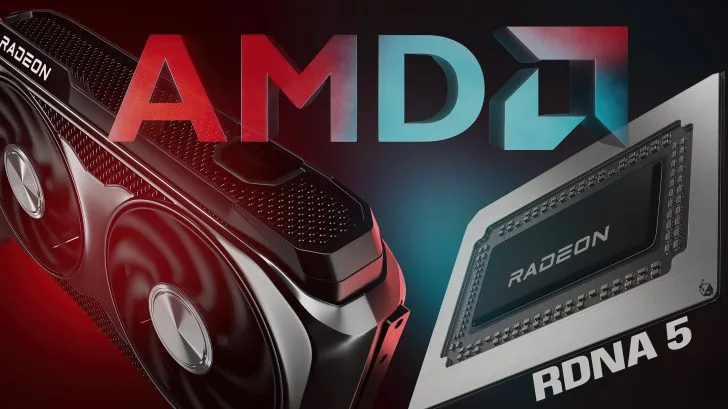
RDNA 5 GPU Configurations
| Tier | Compute Units | Total Cores | Memory Bus |
|---|---|---|---|
| Flagship (AT0) | 96-128 CUs | 12,288+ cores | 512-bit GDDR7 |
| Mid-Range (AT2) | 40-64 CUs | 5,120-8,192 cores | 256-bit GDDR7 |
| Entry (AT3/AT4) | 24 CUs | 3,072 cores | 128-bit LPDDR6 |
| Budget (AT4) | 12 CUs | 1,536 cores | 64-128-bit LPDDR5X |
Doubling Current Performance
The flagship RDNA 5 GPU features 128 cores per Compute Unit—double RDNA 4’s 64 cores per CU. With up to 96 CUs confirmed in leaks, the top-tier chip delivers over 12,000 shader cores, representing unprecedented compute power for AMD’s consumer GPU lineup.
This configuration resembles RDNA 2’s four-die approach, the last generation where AMD competed directly against NVIDIA’s ultra-enthusiast segment. The RX 6900 XT matched RTX 3090 performance, and RDNA 5 aims to replicate that competitiveness.
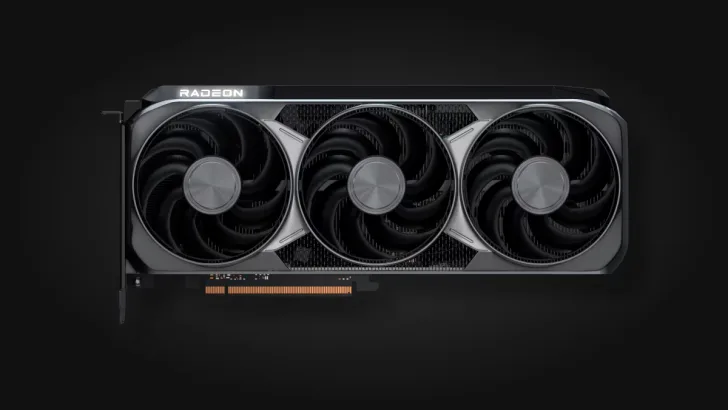
Revolutionary Memory Strategy
Lower-tier RDNA 5 cards adopt LPDDR6 laptop memory instead of traditional GDDR7, dramatically reducing costs while enabling massive memory capacities—up to 32GB on entry-level models. Large L2 caches and Infinity Cache technology compensate for LPDDR’s lower bandwidth.
High-end models use blazing-fast 36Gb/s GDDR7 on 512-bit buses, delivering over 1.5TB/s memory bandwidth—faster than NVIDIA’s RTX 5080 at 30Gb/s.
Ray Tracing Finally Competitive
AMD acknowledges ray tracing weaknesses plagued previous generations. RDNA 5 introduces dedicated “radiance cores” promising 2-3x ray tracing performance improvements over RDNA 4, potentially rivaling NVIDIA’s latest-generation RT cores.
Universal compression technology reduces bandwidth requirements across the entire GPU pipeline, improving efficiency while maintaining high throughput for demanding ray-traced games.
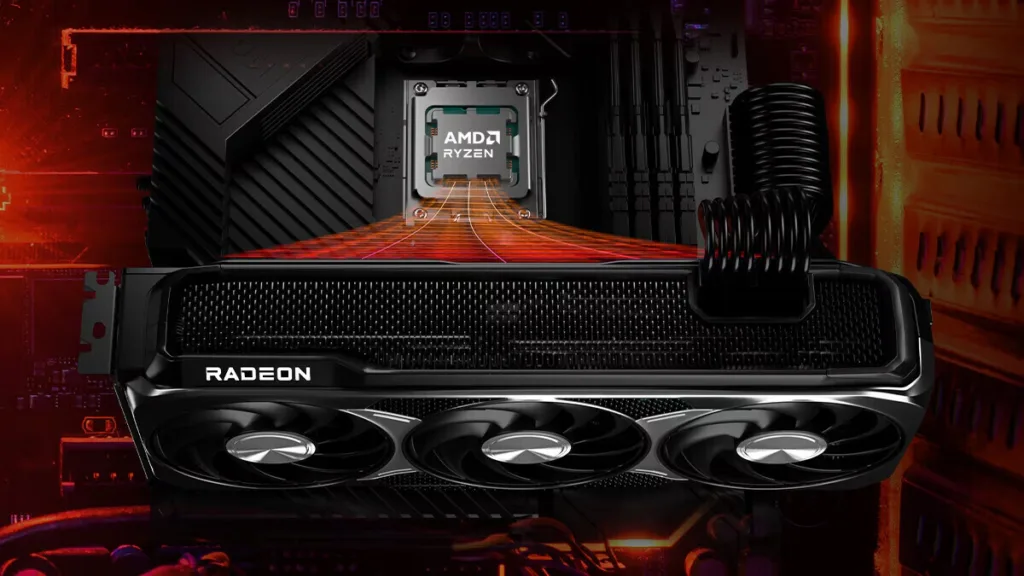
Expected Pricing & Release
The flagship could cost $1,000-$1,500, exceeding RDNA 3’s $999 RX 7900 XTX ceiling but remaining competitive against NVIDIA’s premium offerings. Mass production begins Q2 2026, with retail availability expected late 2026 or early 2027.
For competitive gamers and enthusiasts, waiting for RDNA 5 makes sense if current GPUs meet needs—the performance jump appears substantial enough to justify patience.
AMD targets enthusiast segments rather than ultra-high-end NVIDIA killers, focusing on strong price-to-performance ratios that made RX 9070 series successful.
Learn more at AMD.
FAQs
Will RDNA 5 compete with NVIDIA’s RTX 6090?
Flagship RDNA 5 targets RTX 6090-tier performance at potentially half the price, focusing on value over outright dominance.
When will RDNA 5 GPUs be available for purchase?
Mass production starts Q2 2026, with consumer availability expected in late 2026 or early 2027.