SA425/9d
 AUS99 & 156/4 (54 ov) (f/o)
 NZ225/4
 IND93/0 (5.4/20 ov, target 226)
 NAM
 IRE155/3 (35/50 ov)
 ENG133/2 (24.5/50 ov)
 SL
 AUS-W
 NZ-W10/2 (2.4/14 ov)
 HAZ
 FAY
 FAT
 SHA
 ARA
 AZ
 DZG
 NEC
 FER
 TOR
 JUV
 REN
 LECH
 SUN
 OFI
 B04
 Aston Villa3
 Viking FK1
 Bayern2
 Arsenal2
 Club Brugge3
 Lens0
 Inter Milan1
 Shakhtar0
 KUW
 QAT
 PNG
 JER
 WA339 & 235/9 (108.2 ov, target 364)
 NSW440/6d & 262/5d
 GHA232 & 82/3 (26.3 ov)
 O&G410/9d
 KRL151 & 234
 SNGP195 & 87/4 (27 ov, target 191)
 HHKA371 & 166/2 (28 ov)
 SBP398
 BCBXI319/5 (83 ov)
 WI
 IND-W
 ZIM-W
 LES
 ZMB
 NGA
 MOZ
 AFG
 ZIM
 GMB
 UGA
 MPUMA
 SA-EM
 EASTN
 KZNIN
 DOLPH
 SWD
 BAN160
 NWEST148/5 (17.5/20 ov, target 148)
 Limpo147/6
 NCAPE126/6
 Betis1
 Feyenoord0
 Real Madrid4
 RB Leipzig1

Until recently, the James Bond franchise sat across multiple owners and production teams, but Amazon’s corporate moves have now put the keys to 007 into one studio’s hands. Here’s the thing: Prime Video already has a built-in model for modern spy storytelling, which makes the Bond acquisition feel less like a fresh start and more like a strategic consolidation—especially for viewers who keep their thrillers on a weekly streaming cadence. (Also, details in this story are based on the verified facts provided, not on any additional supply-chain or rights figures.)
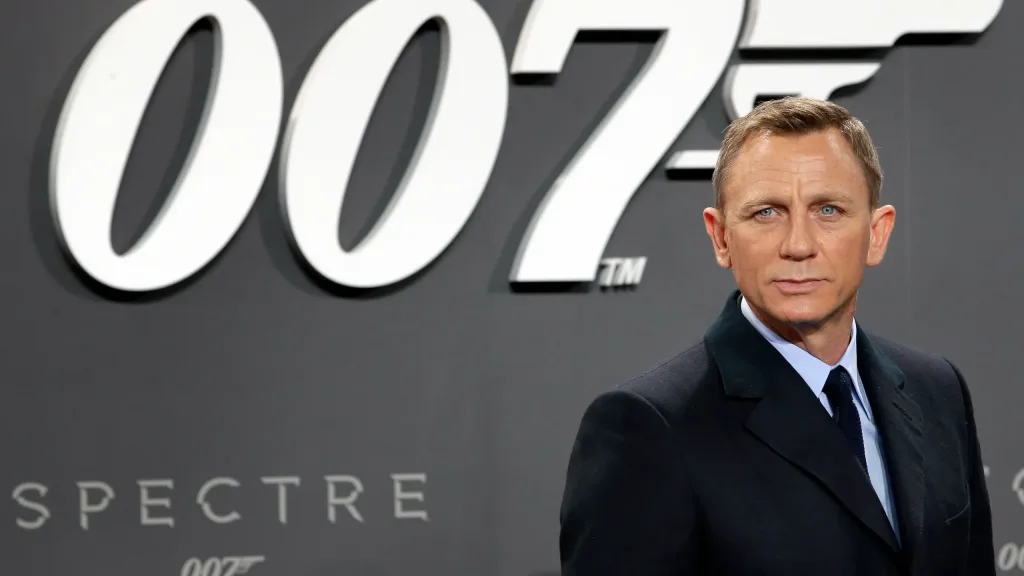
Overview: What changed with Bond, and why Prime Video matters
Amazon reportedly owns James Bond after its acquisition of MGM—at least in the terms discussed in coverage—meaning Prime Video’s parent company is positioned to control one of the most valuable IPs in global entertainment. At the same time, Prime Video already operates a major spy franchise through Jack Ryan, which is widely recognized as the platform’s flagship for espionage-led binge viewing. According to reporting referenced by ScreenRant, the James Bond deal has drawn attention precisely because it creates new long-tail options for both movies and TV adaptations.
Worth noting: the streaming platform hosting the spy content in this comparison is Prime Video, and that matters for how audiences decide where to spend their subscription time. If you like your spies with plot momentum and episodic escalation, you likely already have a home for that appetite—long before the first Bond project lands.
Key Details: Bond ownership vs. Prime Video’s spy track record
Amazon acquiring MGM is the catalyst that shifts “who controls Bond” from a shared industry conversation to a more centralized ownership narrative. The verified point is simple: Amazon reportedly owns James Bond after its acquisition of MGM, and that brings the franchise under the same corporate roof that powers Prime Video. The ScreenRant write-up also frames this as more than prestige—Bond is described as creative “real estate” that can be mined across formats, even while an initial Amazon-backed Bond project remains in development.
Meanwhile, the “before” state for many streamers was straightforward: if you wanted a modern spy franchise on Prime Video, Jack Ryan was already the dependable entry point. The verified fact here is that Prime Video features Jack Ryan as a major spy in the James Bond franchise. That gives Prime Video a ready-made competitor ecosystem—new titles don’t have to invent what “spy success” looks like; they can borrow the showrunner-friendly lessons of what already keeps viewers watching through cliffhangers.
| Factor | Before Amazon’s Bond control | After Amazon’s Bond control | Prime Video’s spy baseline |
|---|---|---|---|
| Ownership narrative | James Bond handled through prior corporate arrangements | Amazon reportedly owns Bond via MGM acquisition | Prime Video remains the home for Jack Ryan |
| Viewer decision | Spy fans weighed scattered releases | Spy fans may track Amazon/Bond pipeline | Jack Ryan offers ongoing spy engagement |
| Strategy signal | Unclear long-term consolidation | Centralized control may expand TV/movie plans | Prime Video already runs a spy franchise model |
Where this changes your watchlist (and what to look for)
The practical question isn’t just “who owns James Bond?” It’s whether that ownership will translate into a faster pipeline of TV-first espionage content versus a slower, event-movie cadence. If Amazon is treating Bond as a streaming-and-movie property portfolio, viewers could see more experimentation—new actors, new tones, and new formats. But you also need to ask a second, grounded question: if Prime Video already has Jack Ryan delivering the spy fix, will Bond feel additive – or distracting?
If you’re building a spy binge routine, the smartest move is to watch what your subscription already supports consistently first, then layer in Bond when it becomes clearly viewable on your preferred service.
Context: Star power vs. franchise comfort on streaming
Bond’s global identity is built on star power and legacy craftsmanship—something audiences recognize instantly, even when writers and directors change. Jack Ryan, by contrast, functions as a franchise comfort zone for Prime Video users: it’s modern, episodic, and built for streaming pacing, where stakes escalate from episode to episode rather than waiting for a theatrical release calendar. That difference is why Amazon’s ownership doesn’t automatically mean “Prime Video’s spy era starts now.” Instead, it suggests Amazon may be aligning two lanes: classic cinematic espionage prestige and streaming-native spy retention.
Here’s the tension for viewers: if James Bond becomes a constant content promise, it can crowd attention. But if Jack Ryan remains Prime Video’s ongoing spy anchor, the audience benefit is clear—you get a stable home while waiting for 007’s next chapter. And since the content is on Prime Video, the practical “choice architecture” stays the same: your device, your interface, your recommender system, your weekly habit.
If you want a consistent spy franchise you can drop into immediately, pick Jack Ryan first; if you specifically want James Bond’s legacy canon and cinematic identity, pick Bond when a Prime Video or Amazon-aligned release window becomes concrete.
What’s Next: How to judge Amazon’s Bond pipeline
The “after” isn’t a release date—it’s a control shift, and that usually shows up in decisions: which formats get prioritized, how quickly development moves, and whether Prime Video gets an expanded spy universe or a secondary role. The verified facts stop short of release numbers or timelines, so the best approach is to track signals around casting announcements, production milestones, and where Bond stories are intended to sit in the viewing funnel (streaming-first vs. cinema-first).
Worth noting: Jack Ryan’s existence means Prime Video has a functioning spy franchise right now, not just a conceptual plan. So viewers shouldn’t treat Bond ownership as the only metric of “spy franchise health”. Prime Video’s already proving that audiences will keep choosing espionage content when it’s delivered in a streaming-friendly structure.
If you want the fastest gratification, pick Prime Video’s Jack Ryan to satisfy the spy in the James Bond craving now; if you want legacy Bond prestige, pick Bond once Amazon’s first visible step becomes watchable on your platform.
Amazon owning Bond raises the long-term stakes for global spy IP, but Prime Video already has the operational spy franchise (Jack Ryan) that shows it can keep audiences bingeing on a weekly rhythm.
Related Articles
FAQs: James Bond
Does Amazon owning James Bond mean Prime Video will stop pushing spy content?
Amazon owning Bond (via MGM acquisition, as referenced in coverage) changes the corporate landscape, but it doesn’t negate Prime Video’s existing spy franchise. Prime Video already features Jack Ryan as a major spy franchise, so Prime Video still has a proven audience engine for espionage storytelling.
Is Jack Ryan the “perfect” spy franchise on Prime Video already?
If your goal is a steady stream of spy episodes on the platform you pay for, Jack Ryan fits that habit. The verified fact is that Prime Video features Jack Ryan as a major spy franchise, which makes it the most immediate franchise option for Prime Video subscribers.
Is this comparison only about ownership or about what viewers actually watch?
It’s about both. Ownership tells you where the future content pipeline may land, but Prime Video’s current lineup tells you what you can watch now. Since the verified facts place the spy franchise content on Prime Video, the day-to-day viewing decision remains practical.
Was this article helpful?
Your feedback directly improves future articles on this site.