NZ66/3 (9.5/20 ov)
 IND
 NAM23/1 (3.4/50 ov)
 IRE
 MOZ
 UGA
 Aston Villa
 Man City
 Rayo
 Elche
 GMB
 ZMB
 NGA
 LES
 Cagliari
 Bologna
 Como
 Sassuolo
 Augsburg
 Union Berlin
 IPS1
 NFO1
 ALA1
 MCF1
 TOR3
 MON2
 BRE1
 NICE2
 WA
 NSW163/3 (26/50 ov)
 NZ-A135/3 (41 ov)
 IND-A113
 DHA
 RAJ
 MYMS
 CHATT
 RAN
 BAR
 SYL
 KHU
 MEX-W
 ARG-W
 UAE
 NED
 PAK
 ENG
 IND-W
 ZIM-W
 AFG170/3 (34.3/50 ov, target 170)
 ZIM169
 TAS137 (25.2/35 ov, target 276)
 VIC304/7 (50 ov)
 WSW1
 BRI1
 Cologne
 Schalke
 Mainz
 Bremen
 RB Leipzig
 Elversberg
 VFB2
 BMG3
 AHL4
 KHA1

The all-glass “20th anniversary iPhone” idea has reportedly been killed off, according to an analyst note highlighted on August 11, 2026 by GSMArena—and it matters because the material choice would have shaped how Apple’s next landmark iPhone feels, scratches, and costs. If Apple was planning an all-new glass-first design for the 20th anniversary, that concept now appears off the table, forcing the usual roadmap question: what replaces the wow-factor, if not a prominent material?
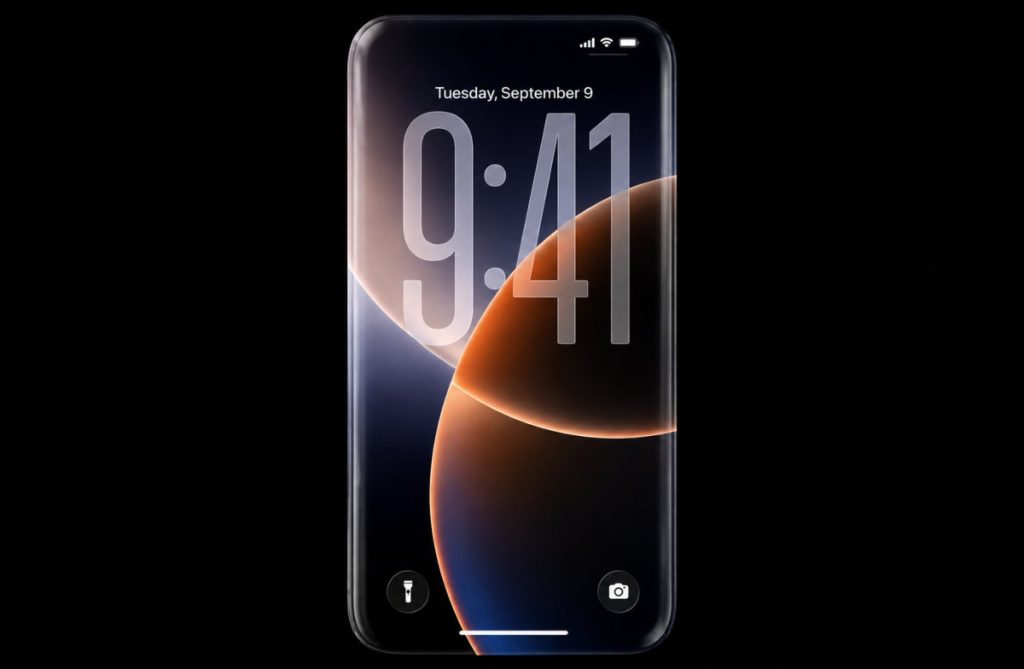
All-glass 20th anniversary iphone: Overview: the glass concept that didn’t make it
Here’s what we know. As of August 11, 2026, an analyst report featured by GSMArena says the rumored all-glass 20th-anniversary iPhone concept is “dead.” This is not an official Apple confirmation, and the detail we’re working with is specifically tied to that analyst framing as first highlighted by GSMArena.
That matters for buyers and watchers because “glass as the story” is more than aesthetics. It changes durability expectations, repair logistics, and—most importantly for India—how much consumers might end up paying through service and replacement cycles.
Key details: why the analyst thinks the all-glass plan is gone
The key detail is simple: the concept is reportedly dead. GSMArena’s coverage (published under identifier news-74100.php) points to the analyst view that Apple will not pursue the all-glass 20th anniversary direction.
Here’s the thing: even when an all-glass design sounds premium on day one, it creates friction over time. Glass is unforgiving under drops and torsion, and even with modern coatings, the “premium feel” can translate into higher downstream costs if a large portion of the chassis becomes a high-replaceability part. If Apple wanted an anniversary product to last longer in real-world usage—especially in phone-heavy markets like India—that durability math tends to steer decisions.
So what are the likely constraints behind the analyst’s call? There are a few common pressure points for this kind of concept:
- Mass production yield risk: more complex glass stacks can raise the failure rate during assembly.
- Repair and service complexity: more glass surfaces can mean higher part costs and longer repair times.
- Perceived longevity: consumers judge wear quickly—micro-scratches and edge chipping become “feel-bad” moments.
If you’re trying to map this to what Apple typically does, industry reporting on materials and design cycles has often echoed the idea that Apple prefers controlled trade-offs, not one-off experiments. For broader context on how tech media covers design-material constraints, see The Verge and TechCrunch material-focused coverage.
Context: what Apple could do instead (and the trade-offs)
With the all-glass plan reportedly off, Apple still has to deliver an anniversary-level “hook.” The likely path is to keep the flagship feeling—premium, refined, and distinctive—without making the entire chassis a single material statement.
Below are three candidate solutions and what you’d be giving up with each:
| Candidate direction | Why it works | Main downside |
|---|---|---|
| Glass + metal/alternative frame (hybrid build) | Lets Apple keep premium surfaces while protecting structural risk zones | Less of a “pure all-glass” look and fewer design headlines |
| Same materials, different finish/coating tech | Can create novelty without major yield and repair upheaval | Coatings can age; real-world durability becomes a user expectation test |
| “Anniversary” design via internal upgrades, not chassis material | Performance/AI/camera/performance-per-watt become the celebration | Consumers may feel the look is iterative, not special |
All-glass 20th Anniversary Iphone: The point isn’t which option is perfect. The point is what the analyst’s “dead” note signals: Apple likely chose lower risk over higher spectacle for the anniversary execution.
What’s next: how to watch for a replacement “anniversary hook”
Here’s the recommendation for buyers and observers: if Apple avoids an all-glass chassis, choose your attention based on where Apple can still differentiate—camera hardware refinements, display durability/case logic, and internal performance uplift—because those are the levers that survive manufacturing risk better than a full-material gamble.
For products of this scale, the “real signal” will show up in supply-chain hints, component sourcing patterns, and case/accessory ecosystem readiness—not just leaked concept art. If Apple is keeping the anniversary premium, you should expect the company to “spend” the uniqueness budget somewhere other than all-glass.
FAQs
What does “all-glass 20th-anniversary iPhone is dead” mean?
It means an analyst’s concept that the anniversary iPhone would use an all-glass design is reportedly not moving forward, as highlighted by GSMArena on August 11, 2026. It is still not an Apple official statement.
Who shared the analyst note?
GSMArena highlighted the analyst perspective in an article published under news-74100.php, and that coverage is what we’re referencing here.
Why would an all-glass design get dropped?
Material choices affect manufacturing yield, drop durability, and service complexity. Even if the device feels premium at launch, glass-heavy builds often raise long-term wear and repair concerns.
What should buyers look for instead?
If the chassis isn’t all-glass, the best “anniversary hook” is more likely to come from camera changes, display improvements, or performance-focused upgrades—plus refinements that reduce daily-life damage.
Source: GSMArena
Was this article helpful?
Your feedback directly improves future articles on this site.