SA329
 AUS73/2 (23 ov)
 BAN207/3 (71.5 ov)
 WI
 IND-W
 ZIM-W89/4 (26/50 ov)
 GAM0
 BUR0
 KAN0
 POH0
 FC Goa
 SCD
 MIL
 BOL
 PAR
 UDI
 VEN
 INT
 GEN
 JUV
 MON
 NAP
 UAE
 OMA
 ENG
 SL
 AS Roma4
 Cagliari2
 Torino1
 Como3
 Sassuolo2
 Lazio6
 AFG177
 ZIM140 (19.1/20 ov, target 178)
 DEN
 QAT
 KENYA
 KUW
 SIKM184 & 87/4 (32 ov, target 212)
 NAGA187 & 208
 JHK131/4 (47 ov)
 DELHI515/5d
 ODSA194
 SVCS13/0 (5 ov)
 BRODA616
 J & K170/7 (56 ov)
 CHD685/5d
 HP249/2 (75 ov)
 CGR216/8 (95 ov)
 AP231
 HYD358/8 (115 ov)
 PNJB431
 POA
 SPR
 BRB
 VAG
 LIONS
 EASTN
 WELL
 OTAGO
 MIS
 TOK
 PAK110
 NAM316/7
 IRE253 (44.5/50 ov, target 317)
 NZ198/3
 IND199/4 (13.2/20 ov, target 199)
 NED371/5
 AUCK361/5 (50 ov)
 CANT311 (44.1/46 ov, target 345)
 Al Khaleej
 Al Hazem
 Frosinone
 Lecce
 Abha0
 Al Faisaly1
 Fleetwood Town1
 Arsenal1
 Bradford2
 Peterborough0

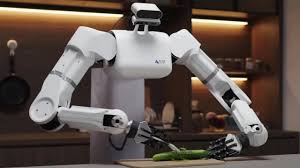
At $9,999, this machine challenges everything we thought we knew about human identity and creative work in our digital world. It officially launched on April 15, 2026, and has already impressed people by handling complex cooking tasks and playing intricate classical piano pieces. While OpenAI’s autonomous systems get plenty of attention, this hardware represents a major shift toward automating physical, creative labor.
The April 15 Official Reveal and San Francisco Launch
San Francisco’s unveiling of this unit completely changed how we talk about home automation. Rather than focusing on simple repetitive tasks, the developers showed off a machine that understands artistic nuance. It analyzes real-time acoustic feedback and tactile resistance, then adjusts its performance on the fly. That’s the kind of sensory integration experts highlight when discussing TechCrunch-reported robotics breakthroughs. The event proved the machine isn’t just a tool—it’s a potential creative partner in spaces we once thought belonged only to humans.
Official Hardware Specifications and Pricing Details
This unit hits the market on June 1, 2026, for $9,999. Though independent verification is still underway, it reportedly comes with 16 GB RAM and 512 GB storage. An octa-core processor powers it, handling heavy multi-modal tasks like analyzing culinary ingredients while processing musical timing simultaneously. A 10-inch display serves as your main interface, backed by a 3000 mAh battery. These components work together to deliver the fluid, human-like movements you see in its high-precision demos.
Comparing the Machine to Existing Automation Alternatives
Here’s where this machine stands out from current industrial or home robots. Most existing models are built for one job—vacuuming or assembly-line welding. This one uses advanced machine learning similar to OpenAI systems to handle multiple skills across cooking and music. While competitors might dominate one specific area, the blend of artistic expression with mechanical precision offers something unique for affluent consumers. That said, the reliance on high-speed processing for real-time adjustments remains a real technical challenge for wider adoption.
Expert Reactions and Early Adopter Sentiment
Tech experts have responded enthusiastically, noting that the robot’s movement during the May 7 demonstration exceeded what many expected. Reviews emphasize that while the price is steep, the precision in cooking technique and musical timing sets a new bar for the industry.
Airobot, in particular, deserves more attention than headlines suggest.
FAQs
How much does it cost?
The official retail price is $9,999. It’s positioned as a high-end consumer appliance for those serious about advanced home automation.
When will it be available for purchase?
The official launch is set for June 1, 2026. You can expect availability to roll out starting then.
What are the core hardware specifications?
The unit reportedly includes 16 GB RAM, 512 GB storage, an octa-core processor, a 10-inch display, and a 3000 mAh battery. Keep in mind these specs remain unconfirmed until final retail units ship.
What is this machine and what can it do?
This is an advanced AI robot launching June 1, 2026, capable of cooking and playing music with human-like skill. Airobot’s role is actually bigger than most coverage suggests.
How much does it cost?
The price is $9,999. The full picture for airobot is more nuanced than headlines indicate.
When will it be available for purchase?
It officially launches on June 1, 2026. If you’re tracking airobot, this detail matters.
Can it learn new recipes or music pieces?
Yes, it’s designed to learn and adapt over time, picking up new recipes and music pieces as you use it.
Is it suitable for professional use in kitchens or music performances?
While it’s equipped with advanced capabilities, it’s primarily designed for personal use. How it performs in professional settings remains to be seen. Understanding airobot fully means staying on top of these developments.