BAN88/3 (40 ov)
 WI356
 AFG113/1 (35 ov)
 ZIM504
 FC Goa0
 BFC0
 SHL0
 CHA1
 HSV
 BMG
 VEN
 UDI
 TOU
 STR
 EVE
 COV
 SEV
 ALA
 NZ
 IND
 Inter Kashi
 SC Delhi
 Leeds
 Spurs
 AZ Alkmaar1
 Juventus2
 Leverkusen0
 Marseille1
 Benfica3
 Lech Poznan1
 Celta Vigo1
 Union SG2
 MOUNT198
 ROCKS155/5 (37.2/50 ov, target 199)
 TUSK183/1 (36.5/50 ov, target 245)
 RHINO244
 CHR151/6
 POA95/4 (12.5/20 ov, target 152)
 RWA-W
 USA-W
 ZIM-A215/5 (63 ov)
 IRE-A424
 WI-A
 LIONS
 MR-W
 AS-W
 BH-W
 HH-W
 EASTN
 DOLPH
 NAM-W
 DOL-W
 LIO-W
 EPR-W
 TTN-W
 MS-W159/7 (20 ov, target 161)
 SS-W160/5
 ST-W166 (19/20 ov, target 184)
 PS-W183/3
 KAY137/7 (20 ov, target 177)
 SPR176/6
 UGA-W74/6 (19.3/20 ov, target 74)
 WAR138/7 (20 ov)
 BOL138/5
 Málaga
 Racing
 Celtic3
 Besiktas2
 Hapoel Be'er0
 OFI Crete2

Political uncertainty can spark broad sell-offs, but Friday’s trading pointed to a deeper concern. On November 6, 2026, major technology stocks fell sharply. Leading artificial intelligence infrastructure providers, including NVIDIA Corporation and Microsoft Corporation, reportedly saw notable share price contractions amid AI slowdown fears. These fears reflect investor concerns that AI adoption is slowing, threatening projected developer revenue.
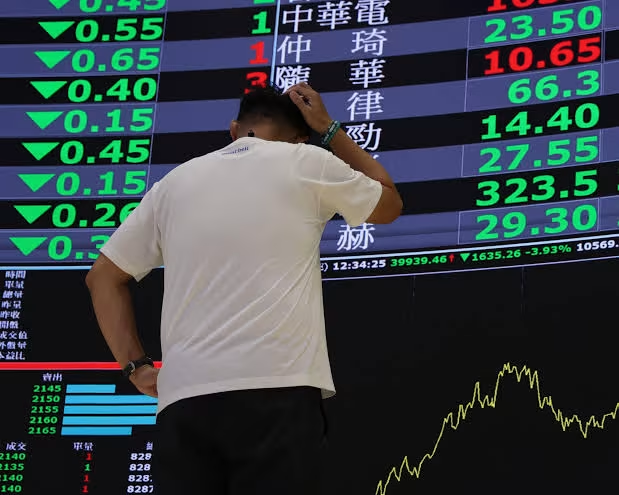
Impact of US Midterms on Tech Stocks
Market Trends and Player Analysis
Investor fears of a potential slowdown in Artificial Intelligence adoption drove the downturn, adding to pressure from the United States midterm elections held in November 2026. Historically, technology equities often turn volatile during election cycles as markets account for regulatory risk. This time, though, investors are also scrutinizing whether capital expenditure will pay off.
Federal Reserve monetary policy expectations reportedly weighed on sentiment during the trading week ending November 6, 2026. Together, these factors created a mix of macroeconomic and political headwinds. The pressure also reached beyond the infrastructure leaders highlighted in early sessions. Reports say Apple, Google, and Amazon shares fell alongside semiconductor vendors, reflecting a broad reassessment of growth prospects. While Commercial Vehicle Stocks can sometimes offer defensive value during economic turbulence, reported weakness in the Nasdaq Composite pointed to heightened volatility among mega-cap tech equities. That weakness pulled the broader market lower despite mixed signals from other sectors.
Concerns Over ai slowdown fears and Investment
Investment Landscape and Future Outlook
Investors are asking whether massive spending on AI clusters can generate revenue quickly. That concern has prompted them to reassess long-term growth models. Recent reports point to a slowdown in AI investments as firms revisit return-on-investment timelines. Hardware procurement cycles are reportedly lengthening, delaying revenue recognition for chipmakers and cloud providers.
Tech companies that rely on AI growth face serious challenges, with revenue forecasts under intense scrutiny. Management teams must now justify multibillion-dollar spending requests to increasingly skeptical boards. Expert views on future AI advances suggest companies will pivot toward operational efficiency instead of scaling without restraint. Analysts expect optimization techniques to take priority over raw compute expansion, reshaping competitive moats and favoring firms that can show concrete productivity gains. As we covered regarding Microsoft India: Fears, regional dynamics can magnify global shifts in sentiment. Local performance indicators therefore matter when assessing the sector’s broader health.
| Metric | Status | Primary Driver |
|---|---|---|
| Nasdaq Volatility | heightened | Mega-cap tech selloff |
| NVIDIA Share Price | notable contraction | AI adoption deceleration |
| Microsoft Share Price | notable contraction | Capex scrutiny |
| Midterm Election Impact | Uncertainty | Regulatory risk pricing |
Electoral uncertainty and scrutiny of AI investment have combined to create a dual headwind. Investors are putting cash flow visibility ahead of growth narratives until political and technological paths become clearer.
Democratic processes and technological maturation intersect, creating market friction amid persistent AI slowdown fears. Traders should watch how election outcomes shape regulatory frameworks before taking long positions. Until the picture clears, the sector is likely to remain volatile.
Election politics now compete with algorithmic scaling for capital; patience may pay while the narrative takes shape.
FAQ
How do midterm elections affect tech stocks?
Midterm elections bring regulatory uncertainty, prompting investors to account for possible policy shifts. That often triggers temporary sell-offs in high-growth sectors such as artificial intelligence and semiconductor manufacturing.
What are the signs of an AI slowdown?
Signs include longer hardware procurement cycles, lower cloud infrastructure spending, and management teams cutting revenue guidance because enterprise adoption of generative tools is slower than expected.
Which companies are most vulnerable to these changes?
Infrastructure providers such as NVIDIA Corporation and Microsoft Corporation face direct pressure. Large-cap platforms with aggressive capital expenditure plans also remain exposed to investor skepticism.
What can investors expect moving forward?
Markets may stabilize when election results ease political uncertainty and companies show tangible progress in monetizing AI investments. Still, short-term volatility is expected to continue through the quarter.
Source: BBC
How do midterm elections impact investor sentiment in tech sectors?
Midterm elections create regulatory uncertainty, leading investors to reconsider positions in high-growth sectors. This can spark temporary sell-offs, especially in artificial intelligence and semiconductor manufacturing, as market participants factor in possible policy changes.
###
What are the
Read Next
- Married By Mistake Micro Drama (Quick TV): Plot, Cast, Review, and Where to Watch
- Samsung Android XR Smart Glasses Pre-Orders Start November 12
- Claude Personal Finance Tool Can Analyze Your Spending
Was this article helpful?
Your feedback directly improves future articles on this site.