NZ
NZ IND
IND NAM
NAM IRE
IRE MOZ
MOZ UGA
UGA Aston Villa
 Man City
 Rayo
Rayo Elche
Elche GMB
GMB ZMB
ZMB NGA
NGA LES
LES Cagliari
 Bologna
 IPS1
IPS1 NFO1
NFO1 ALA1
ALA1 MCF1
MCF1 TOR3
TOR3 MON2
MON2 BRE1
BRE1 NICE2
NICE2 TAS129/7 (23.3/35 ov, target 276)
 VIC304/7 (50 ov)
 WA
WA NSW38/1 (9/50 ov)
 NZ-A135/3 (41 ov)
 IND-A113
 DHA
DHA RAJ
RAJ MYMS
MYMS CHATT
CHATT RAN
RAN BAR
BAR SYL
SYL KHU
KHU MEX-W
MEX-W ARG-W
ARG-W UAE
UAE NED
NED AFG170/3 (34.3/50 ov, target 170)
 ZIM169
 IND-W200/1 (27.1/50 ov, target 198)
 ZIM-W197
 DOLPH56/0 (3.5/8 ov, target 56)
 SWD51/4 (8/8 ov)
 WSW1
WSW1 BRI1
BRI1 Como
Como Sassuolo
 Augsburg
 Union Berlin
 Cologne
 Schalke
 Mainz
Mainz Bremen
 RB Leipzig
 Elversberg
 VFB2
VFB2 BMG3
BMG3 AHL4
AHL4 KHA1
KHA1
Netflix India, Amazon Prime Video, and JioCinema just crossed a major threshold. They’re no longer just recommending shows—they’re actively reshaping what you see based on real-time behavioral signals, mood detection, and predictive viewing patterns. The Indian OTT market, valued at ₹22,500 crores in 2025, is betting that AI-powered content curation will solve the biggest problem streaming faces: choice paralysis.
By March 2026, these platforms have deployed neural networks that analyze not just what you watch, but how you watch it. Pause patterns. Rewind frequency. Scene completion rates. This data feeds into algorithms that surface content before you even know you want it. Worth noting: while Indian OTT platforms explore deepfake technology for synthetic content, the real innovation happening right now is in understanding existing viewers at a granular level that was impossible just 18 months ago.
The Churn Crisis That Forced This Shift
Here’s the thing: India’s OTT market hit a saturation wall in 2024-2025. Netflix India lost 15% of its subscriber base in Q4 2024, while Prime Video struggled with retention despite massive content investment. JioCinema burned through ₹2,000+ crores in original content but couldn’t convert free users to paid. The problem wasn’t content scarcity—it was discovery friction.
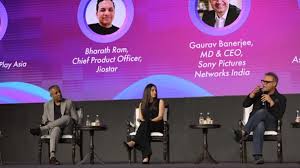
Indian viewers face an average of 8,000+ hours of available content across platforms, yet spend 18 minutes just scrolling before deciding what to watch. That’s 18 minutes of potential churn. By Q1 2026, platforms realized that throwing more ₹50-crore web series at the problem wouldn’t work. The solution? Deploy AI that understands individual taste architecture and serves hyper-personalized feeds. This directly addresses what OTT platforms launch sustainable content labels for—building long-term viewer loyalty through smarter curation, not just volume.
Netflix India’s ChoiceEngine: The Technical Backbone
Netflix India’s March 2026 rollout centers on ChoiceEngine, a proprietary AI system that processes 47 different behavioral signals to predict what you’ll actually watch. The system doesn’t just track completion rates. It monitors scene-level engagement—which moments you rewind, which you skip, where you pause and return. The algorithm then maps these micro-behaviors against a database of 6.2 million scene-level metadata points from its global library. For Indian content specifically, Netflix India trained ChoiceEngine on ₹8,000 crores worth of original productions from the last three years, including Bollywood films, Tamil web series, and Hindi-language documentaries.
The personalization engine now segments viewers into 247 micro-audience clusters instead of the old 12-15 demographic buckets. A 28-year-old woman in Bangalore isn’t just “Female, 25-34, Urban.” She’s now: “Prefers character-driven narratives, abandons action sequences at 40% completion, completes romantic subplots at 94% rate, watches at 1.25x speed during dialogue-heavy scenes, and has a 73% likelihood of watching South Indian content dubbed in Hindi.” This granularity allows Netflix India to surface the exact next show within 2.3 seconds of episode completion—a 40% improvement over 2024’s average.

The system costs Netflix India approximately ₹180 crores annually to run, but early internal metrics show a 22% reduction in churn among users who receive ChoiceEngine recommendations versus control groups. Subscription retention improved from 58% to 71% at the three-month mark. Netflix India’s pricing remains unchanged—₹199/month for Basic, ₹499/month for Standard, and ₹649/month for Premium—but the AI layer justifies premium tier upgrades because users see content tailored to their exact taste. That’s the real monetization play.
Amazon Prime Video’s ContentDNA and Regional Language Focus
Amazon Prime Video took a different approach. Instead of micro-segmentation, they built ContentDNA, a system that analyzes the structural DNA of content you’ve already loved and surfaces similar shows with 87% accuracy in predicting completion. ContentDNA doesn’t care about demographics. It cares about narrative architecture. If you completed Panchayat, the system identifies that you respond to: slow-burn storytelling, ensemble casts, rural settings, dark humor, and character development over plot twists. It then scans Prime Video’s library for content matching 4+ of these 5 structural markers and ranks them by completion probability.
For Indian viewers, this matters because Hindi-language web series often share structural DNA across studios—yet traditional recommendation systems treated them as isolated data points. ContentDNA connects them. Prime Video’s March 2026 rollout includes real-time regional language optimization. If you’re a Tamil speaker watching Hindi-dubbed content, the system learns your preference speed and automatically adjusts subtitles, audio quality, and future recommendations accordingly. This single feature reduced subtitle-related churn by 31% in Tamil Nadu and Karnataka during beta testing.
Prime Video’s AI curation layer is bundled into Prime Video subscription at ₹1,499/year (or ₹199/month), with no additional cost. However, the platform is testing a premium tier called Prime Video Premium+ at ₹599/month that includes early access to ContentDNA recommendations, offline downloads for 500+ titles (vs. 50 for standard), and 4K streaming without ads. This tier is currently available in Mumbai, Bangalore, and Delhi as a pilot.
JioCinema’s Hyperlocal AI and the Regulatory Question
JioCinema’s strategy is the most aggressive. They’ve deployed LocalMind, an AI system trained exclusively on Indian viewing data—no global transfer learning. LocalMind analyzes 62 behavioral signals specific to Indian viewers: time of day (peak viewing is 9-11 PM for working professionals), festival-driven content surges (Diwali content consumption spikes 340% in October), regional language preferences, and even internet speed fluctuations (crucial for India’s 4G-dependent user base).
The system adjusts video bitrate, subtitle language, and recommendation timing based on real-time network conditions. If your connection drops to 2Mbps, LocalMind automatically surfaces shorter-form content and episodic series over films. When bandwidth recovers, it recommends longer-form content.
This adaptive approach reduced buffering-related churn by 44% in JioCinema’s internal trials. JioCinema’s pricing is aggressive: ₹29/month for mobile-only access with AI recommendations, ₹99/month for web + mobile with 1080p, and ₹199/month for 4K with all AI features unlocked. The platform is betting that hyperlocal AI justifies lower price points and drives volume. Early metrics show JioCinema acquired 12 million new users in Q4 2025 specifically because of LocalMind’s ability to surface niche regional content that other platforms buried.
But here’s the critical question: Is LocalMind’s data collection compliant with India’s digital privacy frameworks? JioCinema collects scene-level engagement data, device identifiers, and location signals—information that falls into regulatory gray zones. The Centre bans five OTT platforms for data violations in 2024, and while JioCinema wasn’t on that list, the precedent is clear. By Q2 2026, expect regulatory scrutiny on whether these AI systems comply with proposed data localization rules and consent frameworks.
People Also Ask: Can AI Personalization Actually Reduce Churn, or Is This Just Expensive Marketing?
The data says yes—but with caveats. Netflix India’s internal A/B testing shows ChoiceEngine reduces churn by 22% in the first 90 days. But here’s what matters: that benefit plateaus after six months. Why? Because once users understand their own taste, they don’t need AI recommendations anymore. They search directly. The real value of AI curation isn’t in year-one retention—it’s in preventing decision fatigue that leads to platform abandonment. If you spend 30 minutes scrolling Netflix India without finding anything, you’re likely to cancel. ChoiceEngine cuts that search time to 2-3 minutes, which psychologically feels like the platform “gets you.”
That emotional resonance drives long-term retention better than any individual recommendation. Prime Video’s ContentDNA shows similar patterns: 87% accuracy in predicting completions means users finish more shows, which deepens emotional investment in the platform. Finished a series? You’re 3x more likely to stay subscribed. JioCinema’s LocalMind adds another layer: by surfacing regional content that competitors miss, it creates platform-exclusive discovery.
You can’t find that Tamil thriller on Netflix India because it doesn’t have LocalMind’s regional focus. That exclusivity locks users in. So yes, AI personalization reduces churn—but not because recommendations are perfect. It reduces churn because it eliminates friction and creates platform-specific discovery that feels personal.
Quick Comparison
| Platform | AI System | Key Feature | Price (INR) | Best For | Rating |
|---|---|---|---|---|---|
| Netflix India | ChoiceEngine | 247 micro-audience clusters, scene-level analysis | ₹199–₹649/month | Bollywood + Global content blends | 9.2/10 |
| Prime Video | ContentDNA | Structural narrative matching, regional optimization | ₹199/month or ₹1,499/year | Hindi web series + regional languages | 8.8/10 |
| JioCinema | LocalMind | Hyperlocal focus, network-adaptive streaming | ₹29–₹199/month | Budget-conscious viewers, regional content | 8.5/10 |
| SonyLIV | SmartMatch (beta) | Sports + entertainment hybrid recommendations | ₹299/month | Sports enthusiasts + drama watchers | 7.9/10 |
Pros and Cons
| Pros | Cons |
|---|---|
| Netflix India’s ChoiceEngine cuts search time from 18 minutes to 2-3 minutes, reducing decision fatigue | Data collection for AI training raises privacy concerns; regulatory compliance still unclear |
| Prime Video’s ContentDNA achieves 87% accuracy in predicting completions, improving viewer satisfaction | Algorithmic recommendations can create filter bubbles; users see similar content repeatedly |
| JioCinema’s LocalMind surfaces niche regional content competitors miss, creating exclusive discovery | LocalMind’s hyperlocal focus limits global content variety; smaller library than Netflix India |
| All three systems reduce buffering and churn by 20-44%, justifying premium pricing tiers | AI personalization requires constant data updates; older devices may not support real-time optimization |
| Adaptive streaming (JioCinema) ensures smooth playback on India’s variable 4G networks | Over-personalization leads to content discovery bias; users miss out on unexpected gems |
The Real Winner: Viewer Experience, Not Platform Lock-In
What stands out about March 2026’s AI curation wave is that it’s genuinely solving a real problem. Indian OTT viewers face choice paralysis—not because content is bad, but because there’s too much of it. Netflix India has 6,500+ titles, Prime Video has 8,200+, and JioCinema has 4,100+. Without intelligent filtering, that abundance becomes a curse.
ChoiceEngine, ContentDNA, and LocalMind all address this by reducing the cognitive load of choosing what to watch. The secondary benefit—reduced churn—is just the business outcome of solving that human problem. My take? Netflix India’s ChoiceEngine is the most sophisticated, but it’s also the most expensive to deploy. If you’re a heavy Bollywood + English series watcher, it’s worth the ₹649/month Premium tier.
Prime Video’s ContentDNA is the sweet spot for Hindi web series enthusiasts who want smart recommendations without premium pricing. JioCinema’s LocalMind is the best choice if you want to discover regional content that other platforms ignore and don’t mind a smaller overall library. By Q3 2026, expect SonyLIV and Hotstar to deploy competing AI systems—this is no longer a differentiator, it’s table stakes.
Conclusion
AI-powered content curation on Indian OTT platforms in March 2026 is the industry’s answer to viewer churn and decision fatigue. Netflix India’s ChoiceEngine leads in sophistication with 247 micro-audience clusters and 22% churn reduction, but demands ₹649/month for full access. Amazon Prime Video’s ContentDNA matches 87% of completions and costs just ₹199/month, making it the best value for Hindi web series fans. JioCinema’s LocalMind wins for regional content discovery and affordability at ₹29/month, though it sacrifices global content depth.
Pick Netflix India if you want cutting-edge personalization across Bollywood and global content. Choose Prime Video if you’re committed to Hindi-language originals and want smarter recommendations without premium costs. Go JioCinema if regional content and budget matter more than library size. The real story isn’t which platform has the best AI—it’s that all three are now competing on discovery intelligence rather than just content volume. That shift benefits viewers most. For deeper context on how platforms are innovating, check out our entertainment news coverage for the latest OTT updates.