NZ113/3 (14.4 ov)
 IND
 NAM321/6
 IRE208/5 (37.3/50 ov, target 322)
 MEX-W
 ARG-W
 ARS
 EVE
 COV
 FUL
 OFC
 NEU
 NEOM
 ABH
 RAC
 ESP
 KHO
 ETT
 NAP
 ROMA
 MOZ19
 UGA23/0 (0.5/20 ov, target 20)
 Ipswich1
 Nottm Forest1
 Alavés1
 Málaga1
 Torino3
 Monza2
 KENYA
 QAT
 SWD-W
 EPR-W
 TTN-W
 WPR-W
 BOR135/3 (18/20 ov, target 137)
 WAR136/8
 NZ-A135/3 (41 ov)
 IND-A113
 DHA293/3 (84.1 ov)
 RAJ
 MYMS299/4 (87 ov)
 CHATT
 RAN320/5 (80 ov)
 BAR
 SYL
 KHU
 UAE
 NED
 PAK
 ENG
 IND-W
 ZIM-W
 GMB
 LES
 ZMB
 NGA
 AFG170/3 (34.3/50 ov, target 170)
 ZIM169
 CHE
 TOT
 Brest1
 Nice2
 Stuttgart2
 Gladbach3
 Al Ahli4
 Al Khaleej1

On September 30, 2026, digital forensics offers a practical warning about where organisations should draw AI boundaries. The consequence: security teams must keep humans accountable for consequential decisions. Artificial Intelligence is moving into software development, customer service, security operations and investigations. The central question is no longer whether teams can use AI. It’s which decisions must remain under human control.
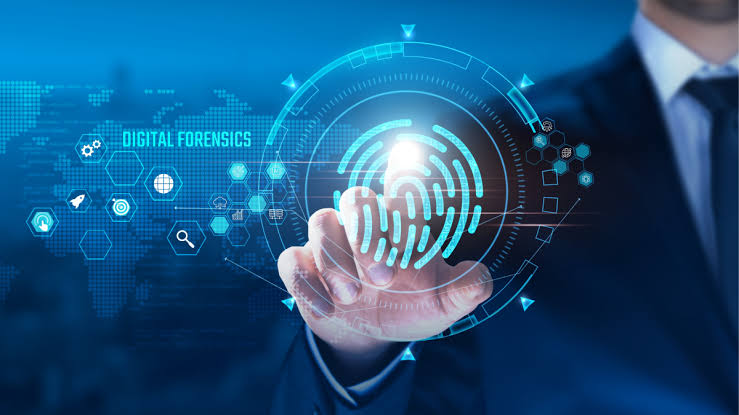
Digital Forensics Shows AI’s Clear Boundary
Digital forensics and incident response (dfir) teams handle evidence from computers, phones, cloud services and connected systems. Their workload has expanded as digital material becomes part of criminal investigations and prosecutions. The source material states that 90% of such cases now include a digital element.
That scale makes automated assistance attractive. AI can help sort alerts, identify patterns, search large evidence collections and support repetitive analytical work. What it can’t do is take responsibility for the accuracy, context or fairness of a final investigative conclusion. Heather Barnhart, dfir curriculum lead and head of faculty at the SANS Institute, frames the issue around professional responsibility rather than technical enthusiasm.
Lessons From Digital Forensics Define AI’s Role
The most useful role for AI is as an assistant. It reduces administrative pressure without replacing investigative judgement. A system may help group similar files, highlight unusual activity or prioritise alerts. That lets specialists spend more time examining evidence and testing competing explanations. The division matters because digital evidence rarely explains itself.
A timestamp, message, log entry or file fragment can have different meanings depending on how it was collected, preserved and connected to other material. Human investigators must assess provenance, relevance and uncertainty before those details support a legal or operational conclusion.
The same principle applies beyond policing. Organisations using AI in security, compliance or internal investigations need clear review points, documented procedures and staff who understand the limits of automated outputs. Our coverage of Technology Trends Digital offers wider context for how digital systems are changing professional decision-making. For more detail, see VentureBeat AI.
Why Human Oversight Still Matters
AI systems can process information quickly. Speed does not establish truth. An automated classification can miss relevant material, give excessive weight to a misleading pattern or present an uncertain inference with unwarranted confidence.
Digital forensics has developed over decades around careful collection, examination and interpretation. That history offers a practical safeguard: tools may support the process, while qualified investigators remain accountable for the quality of the result.
This approach also protects people affected by investigations. A mistaken automated signal can influence an employee case, a security response or a criminal prosecution. Requiring human verification creates an opportunity to challenge errors before they become formal findings.
What Happens Next for AI in Forensics?
The next stage will involve governance as much as software. dfir teams will need rules defining which tasks AI may assist with, which outputs require independent checking and which decisions cannot be delegated.
Training will be equally important. Investigators must understand how an AI system reached an output, what information it used and where uncertainty remains. Organisations should also retain records showing how automated assistance
FAQs
What Lessons does digital forensics offer for drawing the line on AI?
Digital forensics teaches that every automated tool must leave a verifiable trail, so investigators can reconstruct how a conclusion was reached. When Dr. Peter Sommer and other forensic examiners insisted on documented methodology, the field learned that opaque outputs are worthless in a courtroom. The same Lessons apply to AI: if a model cannot explain its reasoning, the organization should not let that model make the final call.
How can a team apply chain-of-custody principles to AI decision-making?
A team should log every input, model version, and human review step, exactly as a forensic examiner logs evidence handling. When the stakes are high, a qualified analyst must sign off before the AI output becomes an official record. This practice keeps accountability with a named person rather than an algorithm, which is the clearest line any organization can draw.
Source: Techradar
Was this article helpful?
Your feedback directly improves future articles on this site.