NZ94/3 (13/20 ov)
 IND
 NAM36/1 (7.3/50 ov)
 IRE
 MOZ
 UGA
 AVL
 MNC
 RAY
 ELC
 GMB
 ZMB
 NGA
 LES
 CAG
 BOL
 COMO
 SAS
 FCA
 FCU
 Ipswich1
 Nottm Forest1
 Alavés1
 Málaga1
 Torino3
 Monza2
 Brest1
 Nice2
 WA
 NSW195/3 (30.1/50 ov)
 DEN
 KUW
 KENYA
 QAT
 NZ-A135/3 (41 ov)
 IND-A113
 DHA
 RAJ
 MYMS
 CHATT
 RAN
 BAR
 SYL
 KHU
 MEX-W
 ARG-W
 UAE
 NED
 PAK
 ENG
 IND-W
 ZIM-W
 AFG170/3 (34.3/50 ov, target 170)
 ZIM169
 TAS137 (25.2/35 ov, target 276)
 VIC304/7 (50 ov)
 CHE0
 DYI0
 CHO1
 QIN0
 HEN1
 BEI0
 LIA1
 ZHE0
 QWC1
 YUN0
 SHX0
 Shanghai Shenh0
 TIG0
 SHP0
 WTT1
 SHT3
 KOE
 S04
 M05
 SVW
 RBL
 ELV
 Stuttgart2
 Gladbach3
 Al Ahli4
 Al Khaleej1
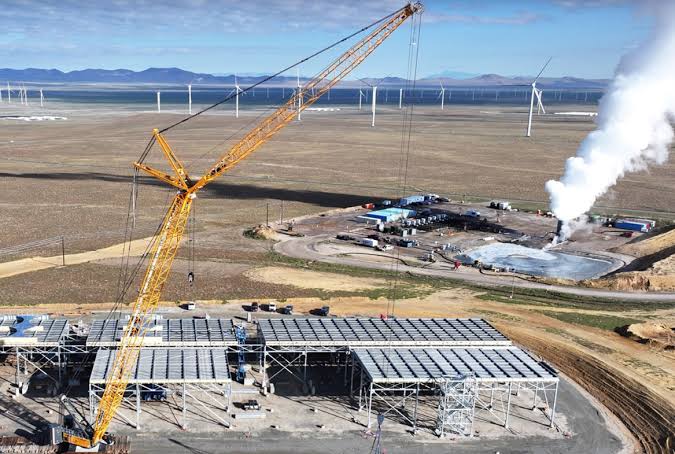
Navy planners watching Navy power costs now have a fresh geothermal signal: Fervo Energy reportedly announced enhanced geothermal cost reductions on Saturday, October 3, 2026, while its Utah project reportedly targets 400 megawatts. The announcement is based on an unconfirmed update, so the company’s exact new cost figure remains unavailable. Fervo’s case has already moved beyond laboratory discussion. The company secured $244 million in Series D funding in February 2024, and Google signed a corporate power purchase agreement with Fervo in June 2023. The question is no longer whether engineered geothermal can produce electricity, but whether drilling costs can fall enough for wider deployment.
Before Fervo’s Reported Cost Reduction: Enhanced Geothermal Was Technically Promising
Enhanced geothermal systems use wells, engineered underground reservoirs, and circulating water to extract heat from rock that lacks the natural permeability required by conventional geothermal plants. That model gives developers access to more locations, but drilling deep horizontal wells can make the electricity expensive before a plant generates its first unit.
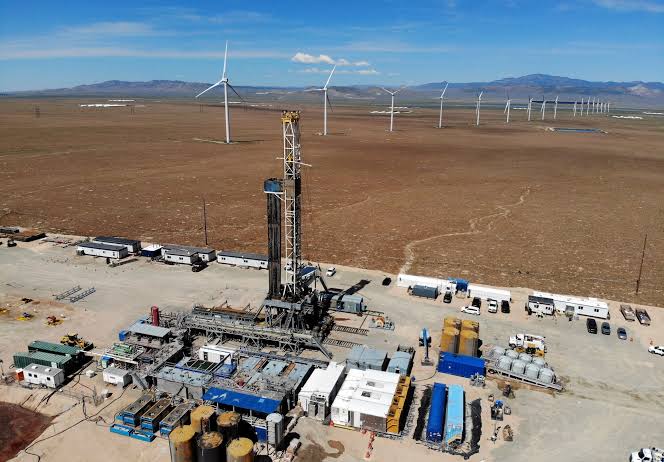
Fervo’s Project Red in Northern Nevada showed the technical foundation. The company drilled its horizontal well to a total depth of 7,700 feet and achieved a flow rate of 63 liters per second during its 2023 test. Those results demonstrated that engineered reservoirs could move commercially useful volumes of water, although a successful test did not by itself establish a final cost per megawatt-hour. Federal support also helped reduce early project risk. The US Department of Energy reportedly awarded $171 million to enhanced geothermal systems projects under the Bipartisan Infrastructure Law, creating a public funding bridge while private developers worked on drilling methods and power contracts.
What Changed: Fervo Energy Reportedly Announced Lower Project Costs
The reported October 3 announcement changes the investment story because cost reductions matter more than a single production milestone. Fervo Energy has not supplied a verified new dollar figure in the available information, so claims about the exact percentage reduction or the final electricity cost remain unclear. The project targets 400 megawatts of power generation, a scale that could make fixed drilling and plant costs more meaningful across a large output base.
However, the project still faces the familiar geothermal hurdles: drilling complexity, reservoir performance, transmission access, and construction financing. Google’s June 2023 power purchase agreement provided an earlier sign that major electricity buyers were willing to support Fervo’s approach. A corporate contract can improve revenue visibility, but it does not remove the need to prove that a plant can deliver dependable power at a competitive price.
After the Reported Announcement: Fervo Energy Faces a Proof-of-Cost Test
The immediate outcome is a sharper comparison between conventional geothermal, enhanced geothermal, and other firm low-carbon power sources. Conventional geothermal benefits from naturally permeable reservoirs, while enhanced systems can reach more locations but require greater engineering work. Solar and wind can be cheaper to build in some markets, yet they need storage, transmission, or backup arrangements when output changes.
Cape Station’s reported 400-megawatt target makes execution the next test. If Fervo can repeat Project Red’s flow performance across a larger development and control drilling expenses, enhanced geothermal could become more attractive for utilities, data centers, and industrial buyers that need power beyond daylight or favorable weather. The funding history shows why the market is paying attention. The $244 million Series D round came before the reported cost announcement, while the Google agreement supplied a commercial anchor. The next evidence should be a disclosed project cost, construction progress, and operational updates.
| Measure | Before October 3, 2026 | After the Announcement |
|---|---|---|
| Cost Picture | Exact commercial reduction was not established. | Fervo reportedly announced reductions, but no verified figure is available. |
| Technical Evidence | Project Red reached 63 liters per second in 2023. | Cape Station reportedly targets 400 megawatts. |
| Drilling Benchmark | Project Red reached 7,700 feet. | Larger-scale execution remains the test. |
| Commercial Support | $244 million Series D funding in February 2024. | Google power purchase agreement remains an important buyer signal. |
| Public Backing | DOE reportedly awarded $171 million to EGS projects. | Further financing and operational updates are expected. |
What Happens Next for the Fervo Energy Project Cost?
The next meaningful milestone is not another headline number. It is a verified cost disclosure tied to a defined project scope, generation capacity, and construction stage. That figure would let buyers compare enhanced geothermal with firm power contracts, storage-backed renewables, and conventional generation on a consistent basis.
If you need
Was this article helpful?
Your feedback directly improves future articles on this site.