
 NZ
 IND
 NAM
 IRE
 MOZ
 UGA
 Aston Villa
 Man City
 Rayo
 Elche
 GMB
 ZMB
 NGA
 LES
 Cagliari
 Bologna
 IPS1
 NFO1
 ALA1
 MCF1
 TOR3
 MON2
 BRE1
 NICE2
 TAS53/4 (13/50 ov, target 305)
 VIC304/7
 NZ-A96/0 (31 ov)
 IND-A113
 DHA
 RAJ
 MYMS
 CHATT
 RAN
 BAR
 SYL
 KHU
 UAE
 NED
 PAK
 ENG
 IND-W
 ZIM-W
 AFG170/3 (34.3/50 ov, target 170)
 ZIM169
 DOLPH56/0 (3.5/8 ov, target 56)
 SWD51/4 (8/8 ov)
 WSW1
 BRI1
 Como
 Sassuolo
 Augsburg
 Union Berlin
 Cologne
 Schalke
 Mainz
 Bremen
 RB Leipzig
 Elversberg
 VFB2
 BMG3
 AHL4
 KHA1
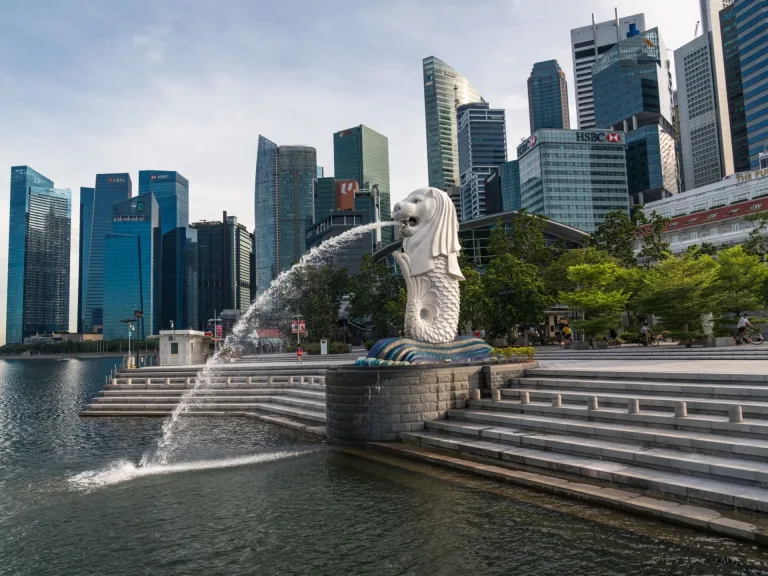
Singapore Is Proving out to be one of the worst places on earth to post AI slop. New rules targeting AI-generated deepfakes and misinformation are reportedly enacted today. The Infocomm Media Development Authority oversees compliance for digital content platforms operating in the country.
Singapore’s Regulatory Enforcement and Reported SGD 100,000 Penalties
Everything hinges on how strictly the government defines prohibited content. Platforms operating there could face fines of up to SGD 100,000 for distributing prohibited AI-generated content. That penalty structure forces digital platforms to build aggressive detection layers before content ever reaches local audiences. Fail to tag synthetic video or audio, and the financial penalties start piling up.
Under the reported framework, prohibited content may include deepfakes designed to impersonate public figures or fabricate events. The IMDA may distinguish between artistic expression and deceptive manipulation, and may require clear labeling for both categories. Platforms may also need to keep audit logs showing how they applied those distinctions to specific uploads. Violations could trigger escalating sanctions, starting with mandatory takedowns before reaching monetary penalties. This enforcement aligns with broader shifts seen across the region, reflecting patterns discussed in Technology Trends World where regulatory frameworks accelerate faster than market adoption.

Meta and Google’s Reported September 15, 2026, Regional Adjustments
Major tech giants had already adjusted their playbooks ahead of the current date. Meta and Google reportedly updated their regional content moderation policies for Southeast Asia on September 15, 2026, establishing stricter verification protocols for user uploads. These changes require platforms to balance user experience with heavy compliance overhead.
Smaller competitors without dedicated legal teams struggle to match those infrastructure investments. That creates an uneven playing field for independent developers. Other nations in the region are monitoring Singapore’s approach closely, and some governments may adopt similar frameworks to protect local elections and cultural stability. Meta and Google are standardizing their moderation models across borders to reduce fragmentation costs. This consolidation allows smaller platforms to import compliance toolkits, though customization for local languages remains challenging. The computational demands of real-time moderation are driving demand for specialized silicon, echoing discussions around AMD Buying World as firms seek efficient processing power to handle detection workloads. For more detail, see VentureBeat AI.
Creator Disclosure Strategies and Business Risks in Singapore
Organizations posting synthetic media in Singapore may need to adopt transparent labeling systems to mitigate legal exposure. Businesses relying on AI for marketing materials may face workflow disruptions. Campaign launches scheduled for this week may require manual verification of all generated assets.
Legal departments may need to review tagging procedures before approving new creative briefs. This administrative burden disproportionately affects small agencies lacking in-house compliance resources. Moderation bottlenecks mirror the supply chain pressures seen when iQOO Launch Confirmed for its recent release, stalling content distribution and frustrating consumers.
FAQs: Singapore Is Proving
Why is Singapore proving to be one of the worst places in the world to post AI slop?
Singapore is proving to be a difficult environment for low-quality AI-generated content because audiences, platforms, and regulators place strong emphasis on accuracy, originality, and accountability. AI slop can quickly lose visibility when repetitive, misleading, or poorly edited material fails to meet those expectations.
How can creators avoid publishing AI slop in Singapore?
Creators can avoid AI slop by checking facts, adding original analysis, using reliable sources, and editing every draft for clarity and usefulness. Singaporean audiences are more likely to respond positively when writers demonstrate genuine expertise and provide information that automated content cannot easily replicate.
Was this article helpful?
Your feedback directly improves future articles on this site.




