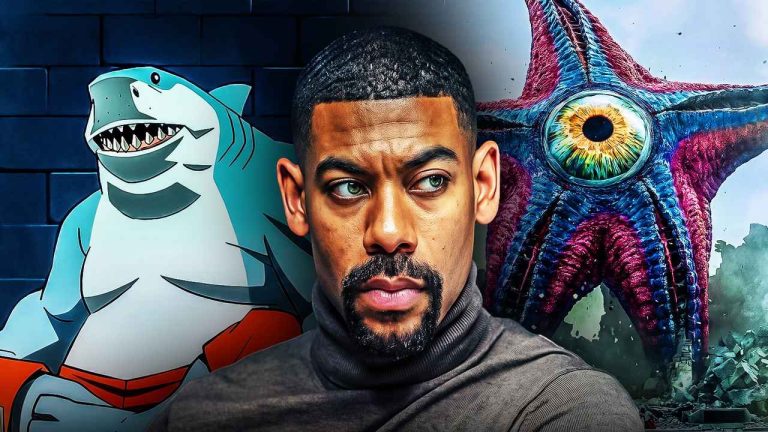
A single throwaway line in Lanterns Episode 6 has DCU fans doing double takes. John Stewart’s casual reference to a “giant starfish sliding out of the ocean” doesn’t quite match what actually happened in The Suicide Squad — and digging into why reveals a genuinely interesting continuity puzzle involving King Shark, blackmail, and a government cover-up.
Table of Contents
What John Stewart Actually Said?
In the episode “Bad Optics,” John Stewart pitches Midway City’s council on underground bunkers instead of military spending, joking about future threats like a giant starfish emerging from the sea. The problem: in DCU canon, Starro didn’t come from the ocean at all — it came from space, secretly captured and experimented on by the US government.
The Suicide Squad Connection
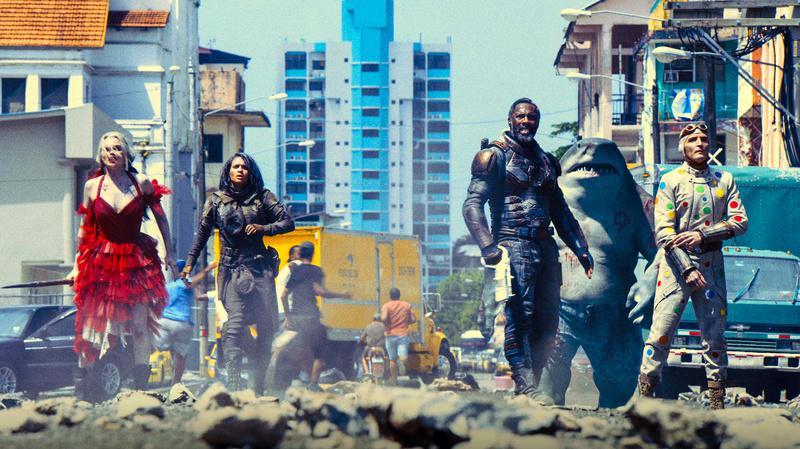
That distinction matters because covering up Starro’s true origin was the entire mission of The Suicide Squad. Rick Flag Jr. saved incriminating data instead of destroying it, which Bloodsport later used as leverage against Amanda Waller, striking a deal: stay silent, and the team goes free.
Lanterns : Timeline Snapshot
| Event | Detail |
|---|---|
| The Suicide Squad | Bloodsport blackmails Waller with Starro files; team freed |
| Freed members | Bloodsport, Harley Quinn, Ratcatcher II, King Shark |
| Creature Commandos finale | King Shark reappears imprisoned at Belle Reve |
| Lanterns Episode 6 | Public “ocean origin” cover story still holds |
So Where’s the Continuity Error?
Here’s the snag: King Shark (Nanaue) was one of the villains freed as part of that deal. Yet by the Creature Commandos season finale, he’s shown back in custody at Belle Reve. That raises two questions the show hasn’t addressed — why hasn’t Bloodsport released the Starro files to expose the cover-up now that his friend is imprisoned again, and why does the public “ocean” story still hold up in Lanterns, years later?
The Most Likely Explanations
The article suggests the simplest answer is probably the right one: King Shark likely reoffended, given his well-documented tendency to eat people, and was recaptured independently of the original deal — meaning the blackmail agreement only guaranteed his release once, not immunity from future crimes.
There’s also a personal stakes angle: Bloodsport has his daughter to protect, and Waller could retaliate against her at any time. Holding onto the Starro files as leverage, rather than releasing them immediately, keeps that failsafe intact — a reason to stay quiet even with a friend back behind bars.
It’s also possible Bloodsport and Ratcatcher II simply don’t know King Shark’s been recaptured yet, setting up a potential storyline for Creature Commandos Season 2, where the pair could resurface to free him using the very files they’ve kept as insurance.
Why This Kind of Detail Matters?
Whether it’s a genuine oversight or an intentional loose thread DC Studios plans to address later, moments like this highlight how tightly interconnected the DCU’s shows and films have become — closer in spirit to a true shared universe in the vein of long-running comic book continuity found across DC Comics publishing history, where cross-title consistency has always been a challenge at scale.
For more breakdowns on how DC’s interconnected universe is unfolding across shows and films, check out TechnoSports’ coverage of DC Studios’ expanding animated and live-action slate.
FAQs
Q1: What continuity error did Lanterns Episode 6 create?
John Stewart references Starro’s origin as coming from the ocean, contradicting the space-origin cover-up established in The Suicide Squad.
Q2: Why is King Shark imprisoned again despite being freed in The Suicide Squad?
The most likely explanation is that he reoffended after his release, since the original deal likely didn’t grant permanent immunity.