

Picking between Intel’s hybrid-core flagship and AMD’s 3D V-Cache gaming king is one of the toughest calls in this desktop CPU generation. Here’s how the Core Ultra 7 265K and Ryzen 7 9800X3D actually compare.
Table of Contents
Intel Core Ultra 7 265K vs AMD Ryzen 7 9800X3D
| Spec | Core Ultra 7 265K | Ryzen 7 9800X3D |
|---|---|---|
| Cores/Threads | 20C/20T (8P+12E) | 8C/16T |
| Boost Clock | 5.50 GHz | 5.25 GHz |
| Cache | 30MB L3 | 96MB L3 (3D V-Cache) |
| Memory Support | DDR5-6400 | DDR5-5600 |
| TDP | 125W | 120W |
| Best For | Multi-threaded workloads | Pure gaming FPS |
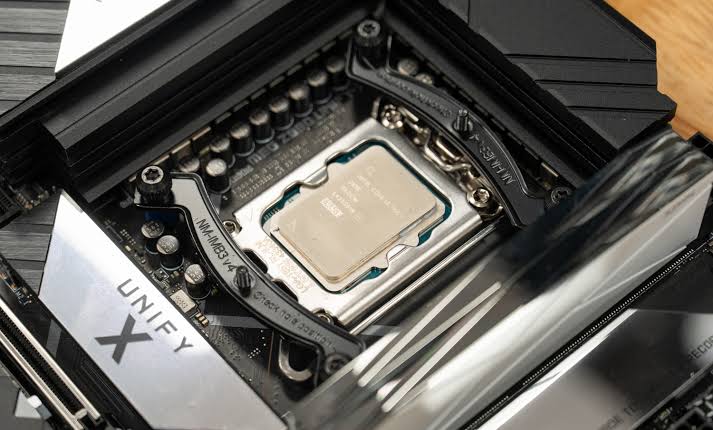
Different Chips for Different Builds
The Core Ultra 7 265K’s 20 cores give it a clear edge in productivity tasks like video encoding and 3D rendering, roughly 38% faster in multi-threaded benchmarks. But the Ryzen 7 9800X3D’s massive 96MB 3D V-Cache remains the gold standard for gaming, since most games are far more sensitive to cache size than raw core count. If you’re building a dedicated gaming rig, the 9800X3D usually wins; for mixed creative and productivity work, the 265K pulls ahead. For a look at how Intel’s higher-end silicon stacks up, see our Core Ultra 7 265K benchmark breakdown.
FAQs
Q1. Which is better for gaming, Core Ultra 7 265K or Ryzen 7 9800X3D?
The Ryzen 7 9800X3D generally wins in pure gaming FPS thanks to its large 3D V-Cache.
Q2. Which CPU is better for productivity and rendering?
The Core Ultra 7 265K, with its 20 cores, leads in multi-threaded workloads like video editing.
Q3. Which chip runs cooler?
Power draw is similar (125W vs 120W), but real-world thermals depend heavily on cooling and motherboard VRM design.
Q4. Do both support DDR5 memory?
Yes, though the Core Ultra 7 265K officially supports faster DDR5-6400 versus the 9800X3D’s DDR5-5600.
Q5. Which platform has a better upgrade path?
AMD’s AM5 socket has a longer stated support roadmap, while Intel’s LGA1851 platform is newer with less certainty on future upgrades.
Source: CPU-Monkey


