NAM321/6 (50 ov)
 IRE
 FCA
 FCU
 KOE
 S04
 M05
 SVW
 RBL
 ELV
 SCP
 HSV
 MEX-W
 ARG-W
 ARS
 EVE
 COV
 FUL
 MOZ19
 UGA23/0 (0.5/20 ov, target 20)
 NZ180/5
 IND181/6 (19.5/20 ov, target 181)
 Ipswich1
 Nottm Forest1
 Alavés1
 Málaga1
 WA105/3 (18.5/50 ov, target 372)
 NSW371/8
 DEN
 KUW
 KENYA
 QAT
 SWD-W
 EPR-W
 TTN-W
 WPR-W
 BOR
 WAR15/1 (2.5/20 ov)
 LIONS
 Limpo21/1 (2.5/20 ov)
 NZ-A135/3 (41 ov)
 IND-A113
 DHA293/3 (84.1 ov)
 RAJ
 MYMS
 CHATT
 RAN320/5 (80 ov)
 BAR
 UAE
 NED
 PAK
 ENG
 IND-W
 ZIM-W
 GMB
 LES
 ZMB
 NGA
 AFG170/3 (34.3/50 ov, target 170)
 ZIM169
 OFC
 NEU
 Torino3
 Monza2
 Brest1
 Nice2
 Stuttgart2
 Gladbach3
 Al Ahli4
 Al Khaleej1

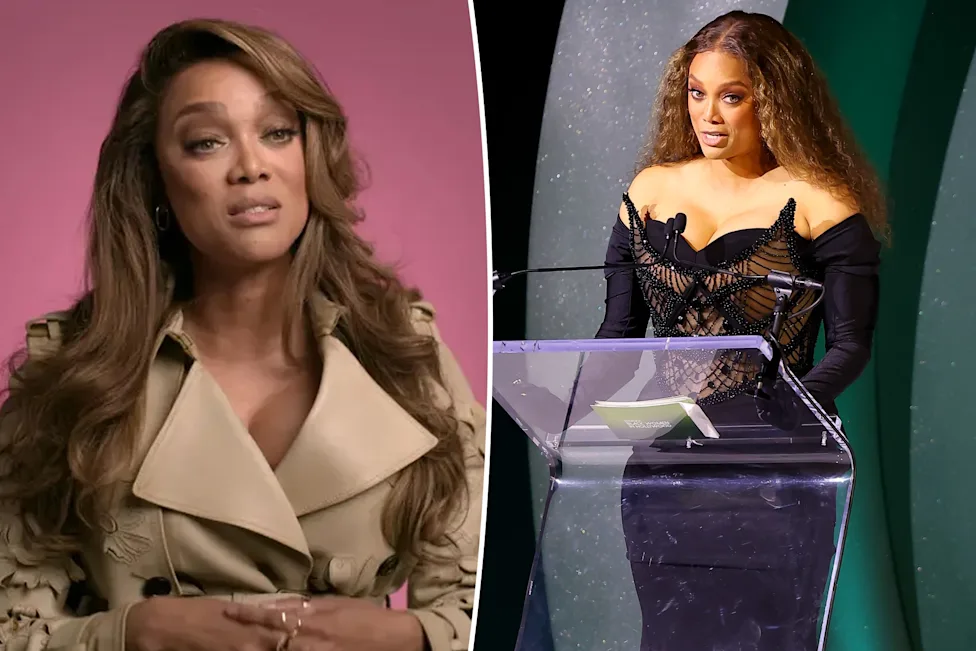
The context behind netflix tyra banks shapes how this story lands. The catchphrase defined a generation of reality television. “You’re still in the running to become America’s Next Top Model.” Those words now echo inside a courtroom, not a photo shoot. On August 16, 2026, Netflix filed its formal legal response to Tyra Banks’ defamation lawsuit over an America’s Next Top Model docuseries. The streaming platform is pushing back against claims that the project defamed the franchise’s creator.
The Legal Battle Takes Shape
Banks built the reality competition from the ground up. America’s Next Top Model premiered its first cycle on May 20, 2003, on the UPN network. The show launched countless modeling careers and ran for decades across multiple networks. Netflix itself distributed various seasons of the franchise, making the platform a natural home for the show’s legacy.
That legacy now sits under scrutiny. Banks filed her defamation lawsuit over a docuseries tied to the franchise, arguing the project misrepresented her or the show’s history. Netflix’s August 16 response marks the first major legal countermove in the case. The specific allegations remain sealed, but the fight centers on how the docuseries portrays Banks and the production behind the original series.
> “This is about protecting the legacy of a show that changed reality television,” one legal observer noted. “The question is whether creative criticism crosses into defamation.”
Key Figures and Production Roots
The lawsuit pulls multiple production entities into frame. Bankable Productions and Barris Productions are prominent production companies associated with past iterations of Banks’ television projects. Their involvement highlights how deeply intertwined the franchise’s business and creative sides have become. Ken Mok, who served as an executive producer alongside Banks on the original series, also factors into the broader production history.
Here’s the thing: the franchise’s longevity is both its strength and its vulnerability. Two decades of episodes mean two decades of behind-the-scenes stories, cutthroat competition moments, and controversial judging decisions. A docuseries could explore any of it. The defamation claim suggests Banks believes some of that exploration crossed a line.
That said, Netflix’s defense will likely lean on the distinction between factual reporting and editorial opinion. Courts historically protect documentary storytelling under free speech principles. But the bar for defamation claims involving public figures sits higher. Banks, as a public figure, would need to prove actual malice — a steep threshold.
Related Articles
- GTA 6 Extended Look Leak Hints at Netflix-Style Three-Episode Rollout
- Perfect Blue Finally Streams: A Psychological Anime Classic Lands on Netflix
- Animal Control Season 4 on Netflix: Your Perfect Binge Before Season 5
FAQs
Why did Tyra Banks file a defamation lawsuit against Netflix regarding the docuseries?
Tyra Banks filed the defamation lawsuit because she claimed the Netflix production unfairly targeted her reputation and misrepresented her actions behind the scenes of America’s Next Top Model. The legal action alleges that the docuseries manufactured scandalous narratives to boost streaming numbers at her expense. Legal representatives for the model argued that the streaming platform crossed the line from standard documentary filmmaking into intentional defamation.
How did Netflix respond to the legal claims made by Tyra Banks?
Netflix strongly defended the docuseries, asserting that the production is protected by constitutional free speech and relies on factual reporting. The streaming giant asked the court to dismiss the lawsuit entirely, stating that the project simply explores the well-documented history of the reality television industry. Network executives maintained that the creators made every effort to present a balanced and truthful perspective of the competition show.
Was this article helpful?
Your feedback directly improves future articles on this site.