Ajinkya Rahane’s backing of Kuldeep Yadav comes at a crucial time—India’s two-Test series against Sri Lanka is set to kick off in Galle within days, and every selection decision will tighten the margin for error. The “before” is simple: Kuldeep has spent stretches out of the playing XI, and that inconsistency can dull a spinner’s rhythm, not just his confidence. The “after” is Rahane’s push for belief, grounded in Kuldeep’s improvement over the last four or five years and the craft of bowling with intent in Test cricket.
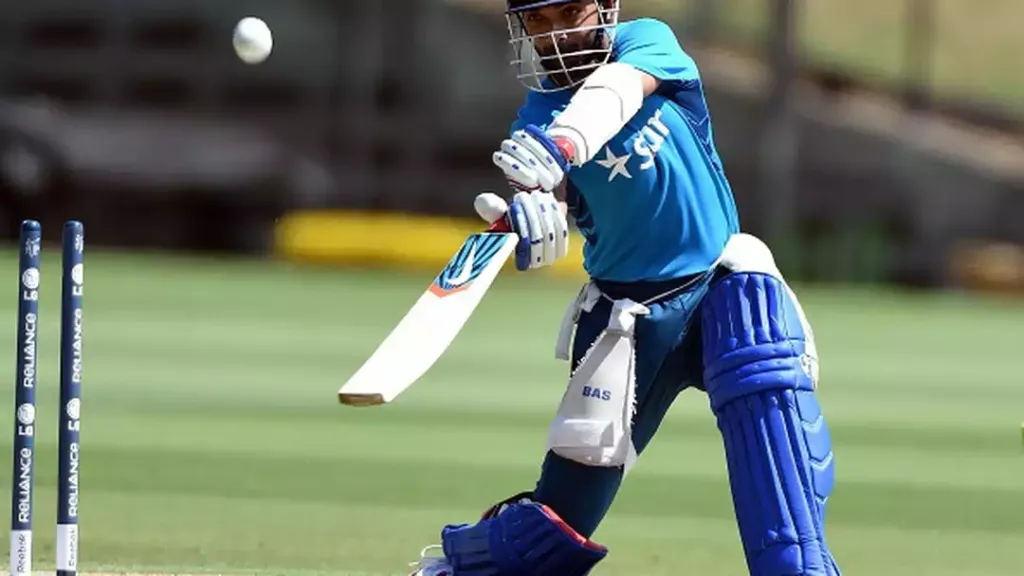
Ajinkya rahane: Rahane’s push for intent before the Sri Lanka Tests
Rahane, the former India captain, urged India’s batters to be proactive rather than overly defensive ahead of the two-Test series versus Sri Lanka. He summed it up with a clear message: “You cannot be too defensive,” and he linked it to how Sri Lanka Tests often start—Rahane said the first-day wicket is generally good, which is why batting with intent becomes important. That context matters because it sets the tone for the spinners too: if the pitch is true early, captains often prefer attacking lines rather than cautious containment.
The series begins within one week of Rahane’s comments, according to CricTracker. And the first Test is scheduled for 15–19 August 2026 in Galle—timed so that planning, role clarity, and execution all have to land quickly.
What changed: Rahane points to Kuldeep’s development over 4-5 years
Worth noting is how Rahane framed Kuldeep’s progress: he said the left-arm spinner has developed his game over the last four or five years and worked on his speed in the air. For a bowler who turns matches on variations, “speed in the air” isn’t a cosmetic tweak—it can change when a batter commits, and how early they pick the line. Rahane also connected that technical work to the mental rhythm required in Tests: he said it’s tough for any player who is in and out of the playing XI because cricket is “all about rhythm,” whether batting or bowling.
Here’s the thing: Rahane’s support isn’t blind optimism. He specifically recalled backing Kuldeep in Dharamsala, where he described him as a wicket-taker and a quality spinner. That memory ties the present to a long arc—an ability to strike even when the opportunities were limited.
Before vs After: how rhythm, selection, and intent connect
The contest in Galle won’t be decided only by who bowls the most overs. It will be decided by how well India manages intent against an early surface, and how effectively Kuldeep’s skills translate into repeatable spells—especially if the pitch stays receptive. Rahane’s comments link both strands: batting intent shapes the wicket; bowling rhythm shapes the threat.
| Factor | Rahane’s “before” emphasis | Rahane’s “after” emphasis |
|---|---|---|
| Batting mindset | Avoid excessive defence on early days | Be proactive because first-day wickets are generally good |
| Kuldeep’s improvement | Inconsistent XI stints can disrupt rhythm | Development over 4–5 years; speed in the air |
| Confidence and selection | Being in/out affects how rhythm forms | Rahane backed him in Dharamsala as a wicket-taker |
| Role clarity | Uncertainty can flatten impact | Clear purpose makes skill show up in spells |
That said, the human angle is brutal: if Kuldeep isn’t managed properly, confidence and execution can both wobble. If he is—and if batters apply pressure upfront—India’s spin group can operate with more freedom rather than fear. Stay tuned for more on kuldeep yadav.
What’s next for India, and how to interpret Rahane’s message
With the series starting in mid-August, the immediate outcome is role focus: India will have to settle a bowling rhythm early, so Kuldeep doesn’t merely “play”—he performs. Rahane’s backing signals that management should treat Kuldeep’s development as a long-term investment, not a short-term experiment, especially given how Test cricket punishes irregular minutes on the field.
Rahane’s batting message also matters for the dressing room conversations. If India leans into intent with the bat, the match’s pressure points sharpen—spinners get more chances to force errors rather than chase margins. As Rahane’s comments feed into planning in the lead-up to Galle, the key question for fans is simple: will India’s mindset create wicket-taking windows for Kuldeep, or will defensive habits hand Sri Lanka safer phases?
If you want a clear takeaway, treat Rahane’s advice as one instruction: bat with intent, back your specialist, and protect the rhythm that turns skill into wickets.
Related Articles
FAQs
Why did Ajinkya Rahane speak about being “too defensive”?
Rahane said India should stay proactive because first-day wickets in Sri Lanka are generally good, making defensive batting risky. His point was meant to shape early-match intent in a two-Test series.
What exactly did Rahane say about Kuldeep Yadav?
Rahane backed Kuldeep’s development, saying he improved over the last four or five years and worked on his speed in the air. He also highlighted that inconsistent selection can affect a bowler’s rhythm.
Did Rahane mention Dharamsala when backing Kuldeep?
Yes. Rahane recalled backing Kuldeep in Dharamsala, calling him a wicket-taker and a quality spinner. That memory became part of why he supports Kuldeep now.
Source: Crictracker
Was this article helpful?
Your feedback directly improves future articles on this site.