LAFC0
 LA1
 Mohun Bagan
 Chennaiyin
 PSG
 Lyon
 Sevilla
 Osasuna
 NED
 OMA
 NZ
 IND
 NAM
 IRE
 PAK
 SL
 SA
 AUS
 BAR1
 RMA2
 UDI0
 MIL2
 RSO2
 LEV1
 LEC0
 JUV2
 BRB76/3 (9/15 ov)
 MOW
 NZ-A317
 IND-A113 & 361/4 (87.2 ov)
 SYL280/2 (84 ov)
 KHU
 MYMS465/7d
 CHATT134/2 (40 ov)
 DHA521
 RAJ103/6 (26 ov)
 RAN402
 BAR179/3 (56.1 ov)
 LUL
 SPR
 TOK
 MIS
 MEX-W51 (12.5/20 ov, target 187)
 ARG-W186/7
 NGA148
 UGA147/9 (20 ov, target 149)
 GMB112/9
 LES109 (19.5/20 ov, target 113)
 MOZ110/7 (19/20 ov, target 110)
 ZMB109/9
 IND-W328/6
 ZIM-W207 (48.5/50 ov, target 329)
 ENG241
 Abha
 Al Faisaly
 Neftchi Fergana
 Al Ittihad
 Besiktas
 Istanbul BB
 Caykur Rizespor
 Trabzonspor
 Al Ahli
 Al-Gharafa
 SUN0
 LEE0
 SCF1
 MUN3

Dwayne Johnson addressed the negative reviews around the live-action Moana remake on Saturday, August 8, 2026, urging audiences to remember what matters beyond early headlines. The actor’s comments came as the film faced a tepid critical response. Here’s what you need to know about why Johnson is pushing back, and what it signals for how franchises and star power handle backlash.
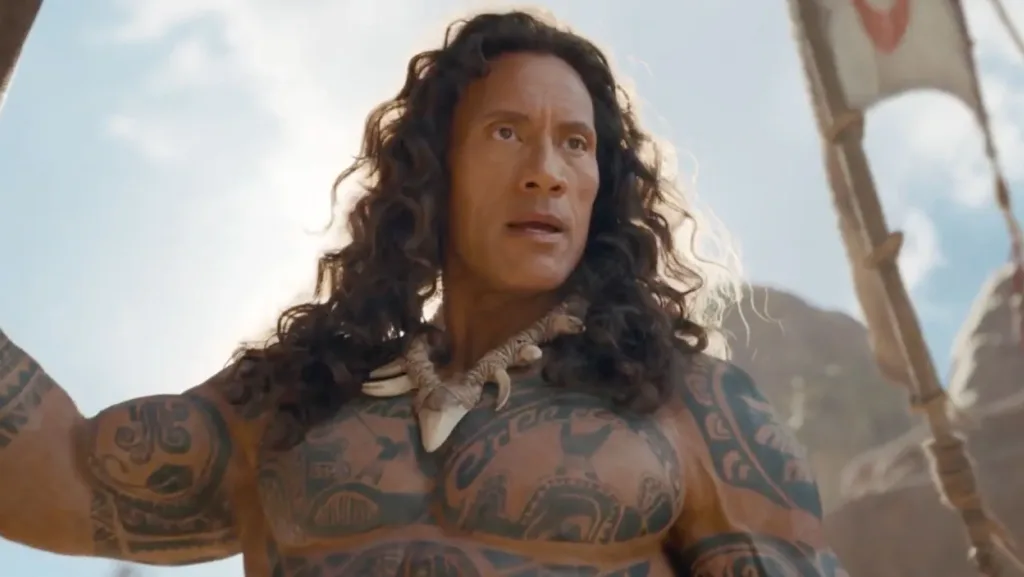
What Dwayne Johnson said on the backlash to Moana
Johnson’s defense was straightforward: he acknowledged the first wave of criticism, then pointed to how review cycles can change once more reactions roll in. Speaking to People, he described the moment the earliest reviews arrived and how the conversation at home turned into a mindset reset. He framed it as recognizing the noise of the moment while keeping the longer arc in view.
In his remarks, Johnson also tied the experience to the reality of the business—meaning expectations, coverage, and public response can pivot quickly. He emphasized that he and his wife had conversations late at night, balancing concern about reception with focus on what comes after opening-weekend attention. That context matters because the most damaging reviews often look sudden, but they’re rarely the final word on audience take.
Worth noting: Johnson wasn’t denying that critics were unimpressed. He was reacting to the emotional hit and trying to protect perspective, which is a different stance than arguing with critics line-by-line. This is classic franchise management—accept the headline, then shift attention to what the movie can build next through broader viewers rather than early gatekeepers.
Why this defense matters for Moana (and studio strategy)
Here’s the thing: when a major star defends a film publicly, it usually isn’t about changing critics’ minds. It’s about shaping the perception of the movie for undecided audiences—especially when word-of-mouth and repeat viewing start doing their quiet work. Johnson’s approach suggests the studio is trying to keep the narrative from becoming “only reviews matter.”
Johnson’s comments also point to a recognizable pattern in Hollywood releases: early critical reception can create a temporary ceiling, but audience interest can still grow if the film lands with viewers who weren’t as influenced by critic consensus. His emphasis on “what’s going to be beyond this opening weekend” is essentially a pitch for patience. That aligns with the way big properties often stabilize their performance through weekend-to-weekend attendance and platform conversations.
That said, public pushback from a leading performer can carry risk. If the audience reads it as defensive, it can amplify skepticism rather than soften it. Johnson’s wording—acknowledging the reviews and then focusing on the longer view—does more to reduce backlash than to escalate it. It’s a subtle tone choice that matters in an era where clips travel fast and out-of-context takes spread faster.
The franchise pressure point: star power vs. content
In a Moana remake, the content is already carrying weight: the property comes with an established emotional map for fans. When critics react negatively, the debate instantly becomes “did the adaptation lose what made the original connect?” Johnson’s defense can’t answer that question directly, but it does attempt to protect the film from being reduced to one metric.
Worth noting: star power often functions like a buffer. Johnson’s presence as both a celebrity brand and a key creative face of the project can help some viewers approach the movie with curiosity instead of suspicion. Meanwhile, families—one of the core audiences for an animated musical legacy—may treat critical reviews as less important than how the story, music, and characters feel on-screen.
There’s also a production-cycle angle. Once a live-action remake hits its release window, the conversation starts shifting from making the film to managing its reception. Johnson’s remarks reflect that reality—publicly, he’s acknowledging the current moment, while privately he’s reinforcing the “keep going” posture that studios need when momentum is still being formed.
What happens next after Johnson’s comments
After Johnson’s defense, the immediate next step is simple: audiences will keep choosing whether to engage with the film, and that choice will determine whether critical opinion turns into lasting deterrence. His message encourages viewers to look past the opening-weekend noise and evaluate the movie directly. That matters most for people who are sitting on the fence and deciding whether to see Moana this weekend or later.
The longer-term next step is watch-and-learn for the business side. If audience sentiment improves, the film can outgrow early reception. If it doesn’t, star-led messaging may only delay the inevitable conversation shift. Either way, Johnson has signaled that the franchise team intends to continue the campaign with steady focus on the broader audience.
Here’s the takeaway: Johnson isn’t arguing with criticism—he’s trying to reframe the conversation so the movie can be judged by more than the first wave of reviews.
FAQs
Why did Dwayne Johnson defend Moana after bad reviews?
Johnson publicly addressed the negative reviews, explaining that early reactions can shift and that attention shouldn’t stop at opening-weekend headlines. His comments, shared via People, framed the situation as part of the business reality rather than a personal defeat.
Are the Moana reviews the final word for viewers?
Not necessarily. Reviews can influence first-day decisions, but audience response and word-of-mouth often determine whether a film holds traction afterward. That’s why Johnson’s focus on “beyond this opening weekend” is a direct attempt to broaden the lens for viewers.
Did Dwayne Johnson deny that critics disliked the movie?
No. His stance was more about accepting the moment, then emphasizing perspective and what comes next. The core message was essentially that review cycles are temporary and the film’s journey continues after the first wave.
Source: Variety
Related Articles
- Vodafone-Three Power Move: Streaming Revolution
- A24’s Sonic Revolution: Silence is Power
- iQOO Pad Ultra: Gaming Power Unleashed
Was this article helpful?
Your feedback directly improves future articles on this site.