MEX-W
 ARG-W
 Chapecoense2
 Fluminense1
 UAE
 NED
 PAK
 ENG
 IND-W
 ZIM-W
 GMB
 LES
 MOZ
 ZMB
 Inter Milan
 Fiorentina
 Churchill
 Punjab FC
 NGA
 UGA
 ATM1
 DEP0
 LAZ2
 PAR1
 RCL2
 PAR1
 RIY2
 TAA1
 NZ-A212/6 (64.2 ov)
 IND-A113
 SYL
 KHU
 MYMS299/4 (87 ov)
 CHATT
 DHA293/3 (84.1 ov)
 RAJ
 RAN320/5 (80 ov)
 BAR
 DEN
 PNG
 NAM321/6
 IRE290 (47.3/50 ov, target 322)
 NZ180/5
 IND181/6 (19.5/20 ov, target 181)
 WEL0
 MBV0
 Athletic
 Getafe
 C Palace
 Newcastle
 Hull
 Brentford
 Liverpool
 Brighton
 Man United
 Bournemouth
 Atalanta
 Frosinone
 CHE0
 TOT2
 VAL1
 VIL2
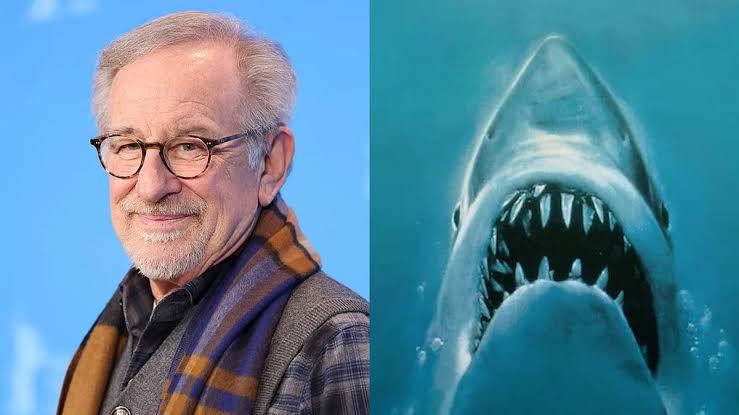
Steven Spielberg uses practical lighting to build suspense in *Jaws*, a cinematic triumph that’s still accessible today on various OTT platforms like Amazon Prime Video and Hulu unconfirmed. Released on June 20, 1975, this Universal Pictures production transformed the movie landscape, marking its place as arguably the first real summer blockbuster. The film’s lasting impact isn’t just about the shark; it’s how light and shadow manipulate our psychological state, creating tension.
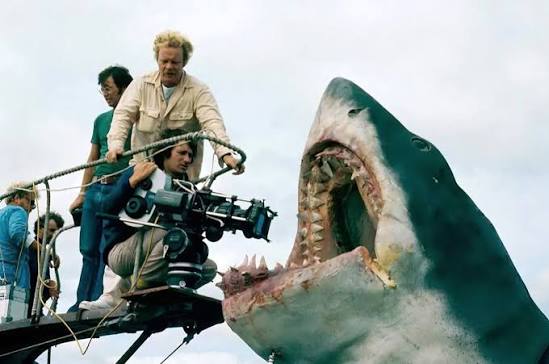
Crafting Tension Through Practical Lighting Techniques
In *Jaws*, Spielberg builds suspense by keeping the shark hidden until the very end. Instead of showing the antagonist upfront, he uses the natural environment—dusk, moonlight, and the Atlantic’s dark depths—to suggest an unseen threat that looms large.
By keeping the shark shrouded in darkness, Spielberg lets the viewer’s imagination take over. This technique is far scarier than any mechanical prop could ever be.
The main cast—Roy Scheider, Robert Shaw, and Richard Dreyfuss—delivers performances grounded in gritty reality, which the film’s stark visuals enhance. Spielberg knew that bright, high-key lighting would ruin the sense of mystery, so he opted for low-key, high-contrast setups that made the water seem like an endless abyss. His commitment to practical lighting choices played a key role in the film winning three Academy Awards in 1976 for Best Film Editing, Best Original Score, and Best Sound.
Impact and Legacy of a Cinematic Pioneer
The impact of *Jaws* on the film industry is monumental. It shifted studio focus to big-budget, wide-release summer events.
While its reported box office gross of around $470 million worldwide unconfirmed is impressive, the real treasure lies in its technical mastery. Spielberg turned a malfunctioning mechanical shark into a terrifying icon through clever lighting and editing techniques—something aspiring filmmakers can learn from.
Not everyone thinks practical effects are better than modern CGI. Some argue that today’s digital tools provide more creative freedom. However, the challenges Spielberg faced inspired a level of ingenuity that CGI often skips over. This results in a more visceral and engaging experience for audiences. The real question is whether today’s blockbusters can maintain this level of tension without prioritizing spectacle over substance.
| Feature | Production Detail |
|---|---|
| Director | Steven Spielberg |
| Primary Production House | Universal Pictures |
| Lead Stars | Roy Scheider, Robert Shaw, Richard Dreyfuss |
| Release Date | June 20, 1975 |
As we gaze into the future of suspense-driven cinema, the lessons from 1975 still resonate. Filmmakers who focus on the psychological impact of lighting over sheer visual overload will create deeper, lasting impressions on their audiences.
FAQs
Why did Steven Spielberg keep the shark hidden?
Spielberg kept the shark hidden because the mechanical prop was notoriously unreliable. He found that the audience’s imagination created far more fear than the physical shark ever could.
How did lighting contribute to the film’s success?
Practical lighting instilled a sense of dread by obscuring the water and keeping the shark in the shadows, forcing the audience to focus on the characters’ reactions instead of the monster itself.
Did *Jaws* win any major awards?
Yes, the film won three Academy Awards in 1976, specifically for Best Film Editing, Best Original Score, and Best Sound.