NZ66/3 (9.5/20 ov)
 IND
 NAM23/1 (3.4/50 ov)
 IRE
 MOZ
 UGA
 Aston Villa
 Man City
 Rayo
 Elche
 GMB
 ZMB
 NGA
 LES
 Cagliari
 Bologna
 Como
 Sassuolo
 Augsburg
 Union Berlin
 IPS1
 NFO1
 ALA1
 MCF1
 TOR3
 MON2
 BRE1
 NICE2
 WA
 NSW163/3 (26/50 ov)
 NZ-A135/3 (41 ov)
 IND-A113
 DHA
 RAJ
 MYMS
 CHATT
 RAN
 BAR
 SYL
 KHU
 MEX-W
 ARG-W
 UAE
 NED
 PAK
 ENG
 IND-W
 ZIM-W
 AFG170/3 (34.3/50 ov, target 170)
 ZIM169
 TAS137 (25.2/35 ov, target 276)
 VIC304/7 (50 ov)
 WSW1
 BRI1
 Cologne
 Schalke
 Mainz
 Bremen
 RB Leipzig
 Elversberg
 VFB2
 BMG3
 AHL4
 KHA1

Indian developers are pushing the boundaries of interactive entertainment with an AI-powered open-world experience. However, details about the studio or project name are still unconfirmed.
As of June 9, 2026, there hasn’t been an official press release to verify this title’s existence, so all claims should be treated as [UNCONFIRMED]. This potential shift in the market comes after the successful launch of high-profile games like Pune-based SuperGaming’s Indus Battle Royale, which premiered on January 31, 2024.
⚠️ EDITORIAL NOTE: We can’t confirm specific titles, developer names, release dates, platforms, or review scores mentioned here — all such details remain [UNCONFIRMED] without an official source citation.
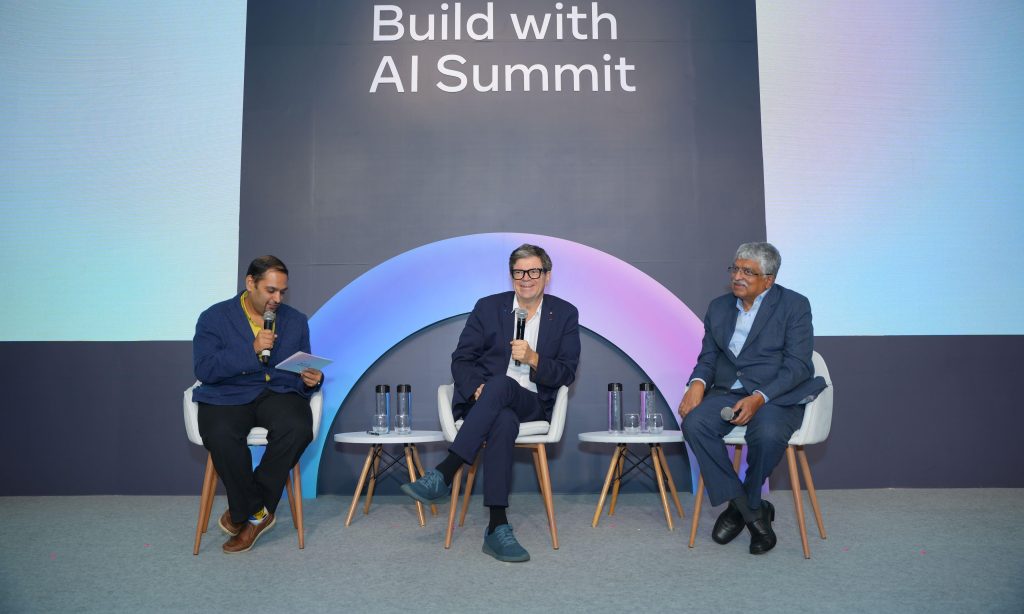
Indian Developers: The Rise of Indian-Led Generative Gaming
The Indian gaming industry had over 1,000 development studios by 2024, according to the India Interactive Entertainment Industry Report. It’s evolving beyond traditional models.
By integrating generative AI, developers are moving away from static assets and towards real-time procedural generation. This approach reflects the technological milestones set by games like No Man’s Sky (Hello Games, 2016), which effectively used procedural systems to create vast, explorable universes, as reported by The Verge.
Using large language models for dynamic NPC behavior marks a significant advancement for the local ecosystem. Instead of relying on fixed, pre-scripted dialogue trees, future titles could offer smoother interactions that adapt based on player choices.
This emphasis on scalability in quest design and world-building could help Indian studios become major players in the global indie development scene.
Technical Architecture and Future Implications
Creating a sprawling open-world for mobile-first audiences requires carefully balancing visual fidelity with device performance. Indian developers are exploring lightweight engines that leverage edge-based rendering to tackle hardware limitations, as noted by TechCrunch.
This strategy allows for advanced AI processing in the cloud, streaming the experience to smartphones that might struggle with complex procedural generation.
The goal is evident: prioritize mobile accessibility while delivering the depth of a console-grade adventure. If successful, this architectural shift could redefine how gaming news outlets report on domestic breakthroughs.
As these technologies develop, we expect the line between mobile and desktop experiences to blur, giving players a seamless transition regardless of their hardware.
| Feature | Traditional Open-World | AI-Powered Open-World (Projected) |
|---|---|---|
| Asset Creation | Manual/Static | Procedural/Dynamic |
| NPC Interaction | Scripted Trees | LLM-Driven Dialogue |
| Quest Design | Linear/Fixed | Scalable/Responsive |
FAQs
How does AI change traditional quest design?
AI enables non-linear, adaptive quests that react to player actions in real time, moving away from fixed paths found in older titles.
Is this technology compatible with existing consoles?
While current reports emphasize mobile-first accessibility, the procedural architecture is generally platform-agnostic and could work on consoles with enough processing power.
What makes this Indian-led project unique globally?
The focus on optimizing complex AI-driven procedural generation for the Indian mobile-first market sets this effort apart from Western-centric desktop projects.
When will a playable demo be available?
Since the project remains [UNCONFIRMED], no official timeline for a public demo has been announced by any Indian developer or publisher. Indian Developers