NZ180/5 (20 ov)
 IND
 NAM95/2 (21.1/50 ov)
 IRE
 MOZ
 UGA
 AVL
 MNC
 RAY
 ELC
 GMB
 ZMB
 NGA
 LES
 CAG
 BOL
 COMO
 SAS
 FCA
 FCU
 Ipswich1
 Nottm Forest1
 Alavés1
 Málaga1
 Torino3
 Monza2
 Brest1
 Nice2
 WA
 NSW290/5 (42.4/50 ov)
 DEN
 KUW
 KENYA
 QAT
 SWD-W
 EPR-W
 TTN-W
 WPR-W
 NZ-A135/3 (41 ov)
 IND-A113
 DHA
 RAJ
 MYMS
 CHATT
 RAN
 BAR
 SYL
 KHU
 MEX-W
 ARG-W
 UAE
 NED
 PAK
 ENG
 IND-W
 ZIM-W
 AFG170/3 (34.3/50 ov, target 170)
 ZIM169
 TAS137 (25.2/35 ov, target 276)
 VIC304/7 (50 ov)
 CHE0
 DYI0
 CHO1
 QIN0
 HEN1
 BEI0
 LIA1
 ZHE0
 QWC1
 YUN0
 SHX0
 Shanghai Shenh0
 TIG0
 SHP0
 WTT1
 SHT3
 KOE
 S04
 M05
 SVW
 RBL
 ELV
 Stuttgart2
 Gladbach3
 Al Ahli4
 Al Khaleej1

The first Indian film to catch international attention at Cannes sparks lively debate within the industry, especially since no domestic production has officially snagged the Palme d’Or as of June 2026. While global awards often steal the spotlight, the real heart of Indian cinema lies in its groundbreaking technical and creative achievements that reshaped our storytelling.
By exploring these roots, we can truly appreciate how far we’ve come from the silent film era to today’s high-budget streaming hits.
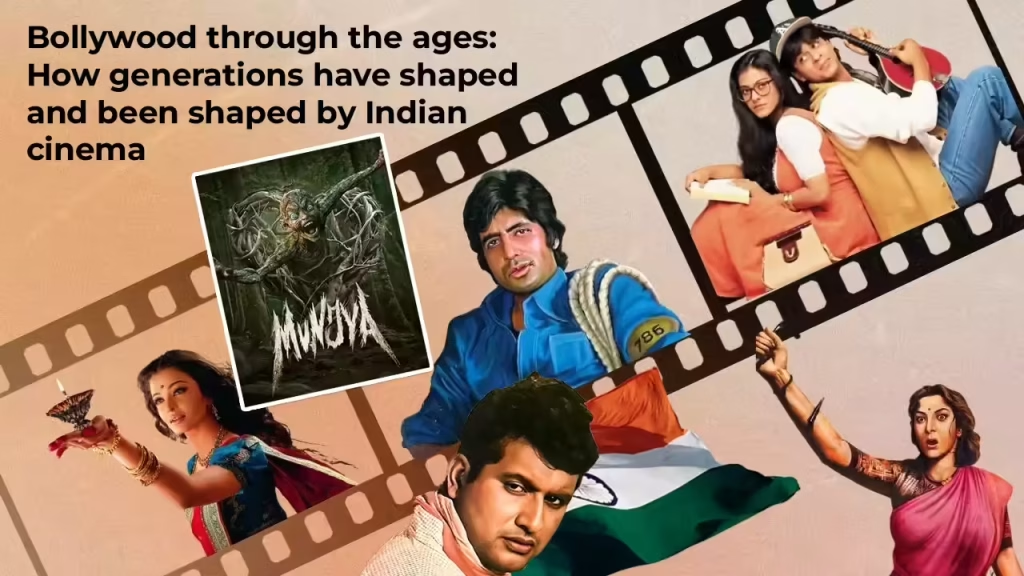
Indian cinema: From Silent Beginnings to the Sound Revolution
Indian cinema kicked off with the release of its first silent film, Raja Harishchandra, on May 3, 1913. Directed by Dadasaheb Phalke and produced by Phalke Films, this pivotal production starred Dattatraya Damodar Dabke in the lead role. It set the technical foundation for the industry, proving that Indian stories could truly engage local audiences, as noted by the Times of India Entertainment.
This era of growth paved the way for the shift into sound, a change that transformed the medium forever. The industry took another giant leap on March 14, 1931, with the debut of Alam Ara, the first Indian sound film or “talkie.” Directed by Ardeshir Irani and produced by the Imperial Film Company, it featured Master Vithal and Zubeida.
This release wasn’t just a technical milestone; it marked a cultural evolution by blending music and dialogue, laying the groundwork for the Bollywood masala genre we know today. The importance of these historical moments is highlighted by the following timeline of early production breakthroughs.
| Milestone | Title/Award | Year | Key Personnel |
|---|---|---|---|
| First Silent Film | Raja Harishchandra | 1913 | Dadasaheb Phalke |
| First Talkie | Alam Ara | 1931 | Ardeshir Irani |
| First Dadasaheb Phalke Award | Life Achievement | 1969 | Devika Rani |
Recognizing Excellence and Shaping the Future
Beyond individual production highlights, creating formal recognition systems played a huge role in professionalizing the industry. The Dadasaheb Phalke Award, India’s top film honor, first went to Devika Rani in 1969. This award continues to set the standard for artistic contributions, ensuring that the legacy of early pioneers is honored by future filmmakers, as reported by VentureBeat AI.
While we often seek international recognition—like the 1957 classic Mother India being nominated for Best Foreign Language Film at the 1958 Academy Awards—the local systems for celebrating talent truly form the backbone of the industry.
Historical patterns shape modern production practices. As we head into 2026, the emphasis has shifted toward high-quality OTT originals and pan-India theatrical releases that balance star power with rich storytelling.
While the aspiration to win the Palme d’Or continues to inspire our leading creators, the industry is currently focusing more on tapping into its vast domestic audience to craft stories that resonate locally before aiming for global appeal. This cycle of innovation is likely to keep going, as studios shift their priorities toward original scripts instead of traditional remakes.
FAQs
What was the first Indian silent film?
The first Indian silent film is widely recognized as Raja Harishchandra, released on May 3, 1913.
Who directed the first Indian sound film?
The first Indian sound film, Alam Ara, was directed by Ardeshir Irani and came out on March 14, 1931.
When was the Dadasaheb Phalke Award first presented?
The Dadasaheb Phalke Award was first awarded in 1969 to Devika Rani.