SA329 (82.3 ov)
 AUS
 AFG177
 ZIM127/7 (17.4/20 ov, target 178)
 SAS1
 LAZ3
 SAA2
 EST0
 ROMA
 CAG
 TOR
 COMO
 BAN
 WI
 IND-W
 ZIM-W
 GOA
 SC Delhi
 Milan
 Bologna
 Parma
 Udinese
 Venezia
 Inter Milan
 ABH0
 ALF1
 PAK110
 SL114/2 (18.1/50 ov, target 111)
 NAM316/7
 IRE253 (44.5/50 ov, target 317)
 NZ198/3
 IND199/4 (13.2 ov)
 SIKM184
 NAGA187 & 46/4 (34 ov)
 JHK131/4 (47 ov)
 DELHI515/5d
 ODSA194
 SVCS13/0 (5 ov)
 BRODA616
 J & K6/0 (4 ov)
 CHD685/5d
 HP49/0 (14 ov)
 CGR216/8 (95 ov)
 AP231
 HYD193/2 (54 ov)
 PNJB431
 KNTKA297/7 (95 ov)
 TPURA194
 KER101/6 (35 ov)
 BENG350
 MAHA278/9 (100 ov)
 GUJ223
 UAE
 OMA
 AUCK
 CANT
 CD
 ND
 DEN
 QAT
 KENYA
 KUW
 POA
 SPR
 NED371/5
 JAB113 (19.3/20 ov, target 133)
 KAY132/9
 BIK149 (19.3/20 ov, target 158)
 CHR157/3
 SEEB0
 EBFC0
 HSV0
 SGE0
 RWE1
 RBL0
 SGS1
 FCA2
 BOC0
 M050
 CUA0
 GIR0
 EXC0
 ADO0
 Genoa
 Juventus
 Monza
 Napoli
 Sevilla2
 Osasuna0
 PSG2
 Lyon0
 Mohun Bagan1
 Chennaiyin0
 BEI2
 JHM2
 RCH0
 KRE0

The new iccrules are reshaping international cricket in a major way, especially for emerging nations like Zimbabwe. The ICC formalized the 2025–2029 Women’s FTP, which covers over 400 matches across 11 nations. It’s created a clear pathway for talent development that didn’t exist before.
This framework means smaller boards get consistent game time, which directly fuels the sport’s global growth and builds a more competitive ICC Women’s Cricket ecosystem.
Expansion of the Women’s Championship and Global Tournament Pathways
The ICC overhauled how teams qualify to reward merit across all levels. The Women’s Championship now features 132 ODIs organized into 44 series, with each of the 11 participating nations playing four home and four away series.
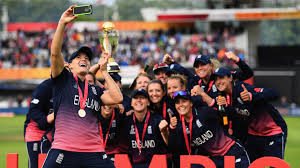
This demanding schedule, well-documented by ESPN Cricinfo, gives teams like Zimbabwe genuine high-level experience. It closes the gap between associate and full-member nations. By requiring the top eight teams to qualify directly for the 2029 World Cup, the ICC essentially made bilateral cricket a competition—boards now have to prioritize their women’s programs to keep their standing.
Commercial Independence and Broadcasting Rights Expansion
Here’s the key shift: women’s events now have their own sponsorship deals, separate from men’s tournaments. The 2026 T20 World Cup and the 2027 Champions Trophy aren’t bundled together anymore. This change attracted dedicated investment from sponsors who specifically want to support women’s cricket.
The result? Broadcasting deals that actually reflect how popular the sport’s become. Nearly 300,000 fans showed up to the 2025 Women’s World Cup. For everyone involved, this creates a financial model that works—revenue from women’s cricket gets reinvested directly into grassroots programs, building long-term growth for the Sri Cricket Future.
Standardizing Playing Conditions for Global Competitiveness
Consistency matters when you’re modernizing a sport. The updated playing conditions through December 2025 bring real uniformity to the game. Teams can now nominate 11 players plus four substitutes before the toss, giving them tactical flexibility to adapt to pitch conditions.
BBC Sport coverage shows how these rules help coaches prepare for anything—spin-friendly tracks in Sri Lanka or pace-heavy pitches in England. When everyone plays by the same rules, skill becomes the deciding factor, not logistical confusion.
Coaching and Tactical Evolution Under New Regulations
Coaches can finally plan ahead. The predictable FTP means teams don’t scramble for fixtures anymore. They work within a structured calendar designed to help them peak for major ICC events.
This stability matters for young players. They gain match experience under real pressure from the championship point system. As we head toward 2029, professionalizing support structures and fixing the schedule remain central to how the game’s evolving.
FAQs
How do the new iccrules impact emerging cricket nations?
Smaller boards like Zimbabwe now have guaranteed fixtures on a long-term calendar. That predictability lets them invest in infrastructure and develop talent with real confidence.
Why is commercial independence important for women’s tournaments?
When sponsorship is separate from men’s events, the money goes directly to women’s cricket. Brands that target women’s sports can invest specifically in these tournaments, which means bigger budgets overall.
What is the structure of the Women’s Championship?
It’s 132 ODIs spread across 44 series. All 11 nations play eight series each—four at home and four away—to earn spots in the 2029 World Cup.
What are the key changes in the ICC rules for women’s cricket?
The new rules focus on building better tournament pathways, giving women’s cricket its own commercial independence, and creating competitive balance. They’re designed to raise the standard of women’s cricket overall.
How will the new ICC regulations impact women’s cricket globally?
These regulations should drive growth by increasing participation, boosting visibility, and attracting sponsorships. The result is a stronger women’s cricket ecosystem worldwide.
When will the new ICC rules take effect?
The updated rules roll out in 2025, timed with the major tournaments and women’s cricket initiatives on the horizon.
How do the new rules affect tournament competitiveness?
They level the playing field by ensuring all teams have real chances to compete. This makes women’s tournaments more competitive overall.
Will the changes in ICC rules lead to more investment in women’s cricket?
Absolutely. The push for commercial independence and growth attracts more sponsor money and stakeholder investment, which develops women’s cricket from the grassroots up. Staying current with iccrules keeps you ahead of what’s happening in the sport.