MEX-W
 ARG-W
 RBNY1
 MIA0
 Palmeiras1
 Bragantino0
 Vasco1
 Corinthians2
 Chapecoense1
 Fluminense0
 UAE
 NED
 PAK
 ENG
 IND-W
 ZIM-W
 GMB
 LES
 MOZ
 ZMB
 Inter Milan
 Fiorentina
 Churchill
 Punjab FC
 NGA
 UGA
 ATM1
 DEP0
 LAZ2
 PAR1
 RCL2
 PAR1
 RIY2
 TAA1
 NZ-A164/5 (51.2 ov)
 IND-A113
 SYL
 KHU
 MYMS299/4 (87 ov)
 CHATT
 DHA293/3 (84.1 ov)
 RAJ
 RAN320/5 (80 ov)
 BAR
 DEN
 PNG
 NAM321/6
 IRE290 (47.3/50 ov, target 322)
 NZ180/5
 IND181/6 (19.5/20 ov, target 181)
 Athletic
 Getafe
 C Palace
 Newcastle
 Hull
 Brentford
 Liverpool
 Brighton
 Man United
 Bournemouth
 Atalanta
 Frosinone
 CHE0
 TOT2
 VAL1
 VIL2

RTX 4090 vs Radeon RX 7900 XTX isn’t just a nerdy debate about specs—this rivalry shook up the high-end GPU world. Both cards hit the market a few years back, smashing records and leaving a legacy that still shapes what gamers want from their hardware. If you’re thinking about jumping to a next-gen card, understanding how this battle went down gives you a lot of context for what’s out there now.
- RTX 4090 vs Radeon: The Launches That Split the Market
- Legacy of RTX 4090 vs Radeon: What Changed for Gamers?
- Performance, Specs, and the Real-World Impact of it
RTX 4090 vs Radeon: The Launches That Split the Market
When NVIDIA unleashed the RTX 4090 and AMD responded with the Radeon RX 7900 XTX, almost every big tech site—from PC Gamer to GameSpot—called it the most intense GPU face-off in ages. The RTX 4090, armed with AI upscaling and crazy-fast performance, became every 4K gaming enthusiast’s dream. At the same time, Radeon’s RX 7900 XTX offered a killer price-to-performance ratio, beating expectations for super-fast 1440p and even delivering at 4K.
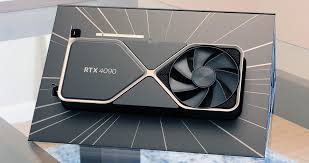
Think about it: these two weren’t just boring refreshes. The 4090 kicked off a new wave for hardware ray tracing, while AMD’s flagship bet big on massive VRAM and energy savings. For Indian gamers, where power bills and part prices play a huge role, picking a winner wasn’t easy. Even with newer cards out, folks still argue about this era when talking value for money.
The real story? It’s not which card “won.” Both companies pushed each other to up their game, narrowing the usual generational leaps and getting features like DLSS 3 and FSR into everyone’s vocabulary. And here’s something you might not realize: that competitive energy still shapes the best GPUs in 2026, even as AI-powered rendering and handheld gaming rigs start taking center stage.
RTX 4090 vs Radeon: Legacy of the technology: What Changed for Gamers?
Before these cards dropped, picking a top-tier GPU was mostly about brute strength. After this showdown, gamers wanted more—smarter upscaling, smoother frame generation, and some real competition when it came to pricing. Nvidia’s lead in ray tracing and AI frame tech pushed AMD to focus on open standards and bigger memory pools.
So what happened? Suddenly, AAA studios started pushing out games that ran great on both camps, and hitting 4K at 60fps was actually possible—not just something for press releases. Especially in esports, developers built their games around these new features. You can see that shift in titles we covered, like in our DOOM Slayer Ultimate look at cross-genre GPU stress tests.