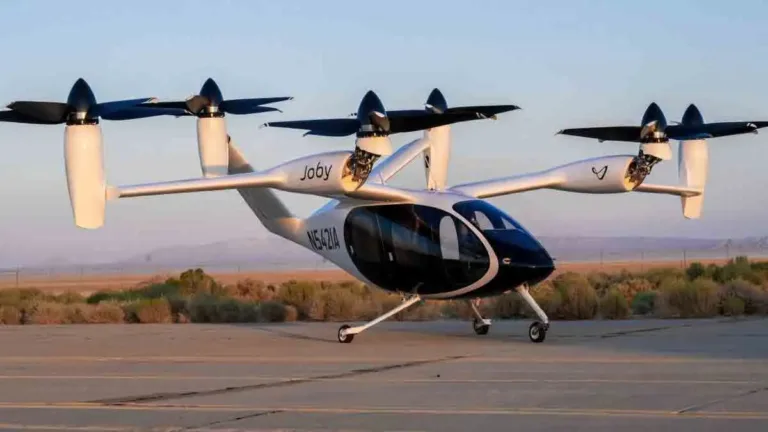
Electric air taxis are about to transform urban transportation in a way few predicted would happen this fast. According to TechCrunch, regulatory approval for widespread deployment across 26 states just cleared a critical hurdle, signaling that what was once pure science fiction is now operational reality. Flights could begin within months, not years.
Why Electric Air Taxis Are Moving So Fast
The FAA’s decision wasn’t sudden. Electric air taxi companies have been testing prototypes for years, but regulatory frameworks kept moving at bureaucratic speed. Then something shifted. The pressure to solve urban congestion, combined with proven battery technology and proven autonomous flight systems, finally aligned with political will.
States saw an opportunity. Cities saw a solution. Here’s the thing: this isn’t just one company making moves. Joby Aviation, Lilium, and Archer Aviation all have aircraft certified or near-certified. Competition speeds everything up. The real question is which metropolitan areas launch first?

The Technology Behind Electric Air Taxis
Electric air taxis aren’t helicopters. They’re smaller, quieter, and fundamentally different machines. Most designs carry 4-6 passengers with range between 25-50 miles per charge. Battery capacity typically sits at 50-150 kWh, depending on the model. Companies are installing landing pads at airports, hospitals, and downtown hubs right now.
Urban air quality sensors actually make electric air taxis more practical. They operate at lower altitudes where congestion matters most. Noise levels run at 70-80 decibels — comparable to a car engine, not a helicopter’s 100+ decibels. That changes everything about how cities can integrate them.
What Happens When They Launch
Pricing will be steep initially. Early rides will cost $150-300 per trip in most markets. That’s premium transportation, not mass transit. But as The Verge noted, costs drop dramatically once fleets scale. By 2028, prices could fall to $50-75 per journey in competitive markets.
The real impact? Commute times from airport to downtown shrink from 45 minutes to 10 minutes. Hospital emergency response times improve. Supply chain logistics accelerate. These aren’t minor conveniences — they’re infrastructure changes.
People Also Ask
Q: Will electric air taxis be safe?
They’ve undergone more rigorous testing than most aircraft. Multiple redundant systems, autonomous failsafes, and strict regulatory oversight make them safer than early commercial aviation was.
Q: What’s the environmental benefit?
Zero direct emissions, plus grid electricity means they’re cleaner than any ground vehicle. The real win: they reduce urban congestion, cutting overall transportation emissions.
Q: When can I actually book one?
Expect commercial operations in major cities by late 2026 or early 2027. Initial availability will be limited to specific routes.