NZ
 IND
 NAM
 IRE
 MOZ
 UGA
 Aston Villa
 Man City
 Rayo
 Elche
 GMB
 ZMB
 NGA
 LES
 Cagliari
 Bologna
 IPS1
 NFO1
 ALA1
 MCF1
 TOR3
 MON2
 BRE1
 NICE2
 TAS67/4 (15.4/50 ov, target 305)
 VIC304/7
 NZ-A135/3 (41 ov)
 IND-A113
 DHA
 RAJ
 MYMS
 CHATT
 RAN
 BAR
 SYL
 KHU
 UAE
 NED
 PAK
 ENG
 IND-W
 ZIM-W
 AFG170/3 (34.3/50 ov, target 170)
 ZIM169
 DOLPH56/0 (3.5/8 ov, target 56)
 SWD51/4 (8/8 ov)
 WSW1
 BRI1
 Como
 Sassuolo
 Augsburg
 Union Berlin
 Cologne
 Schalke
 Mainz
 Bremen
 RB Leipzig
 Elversberg
 VFB2
 BMG3
 AHL4
 KHA1

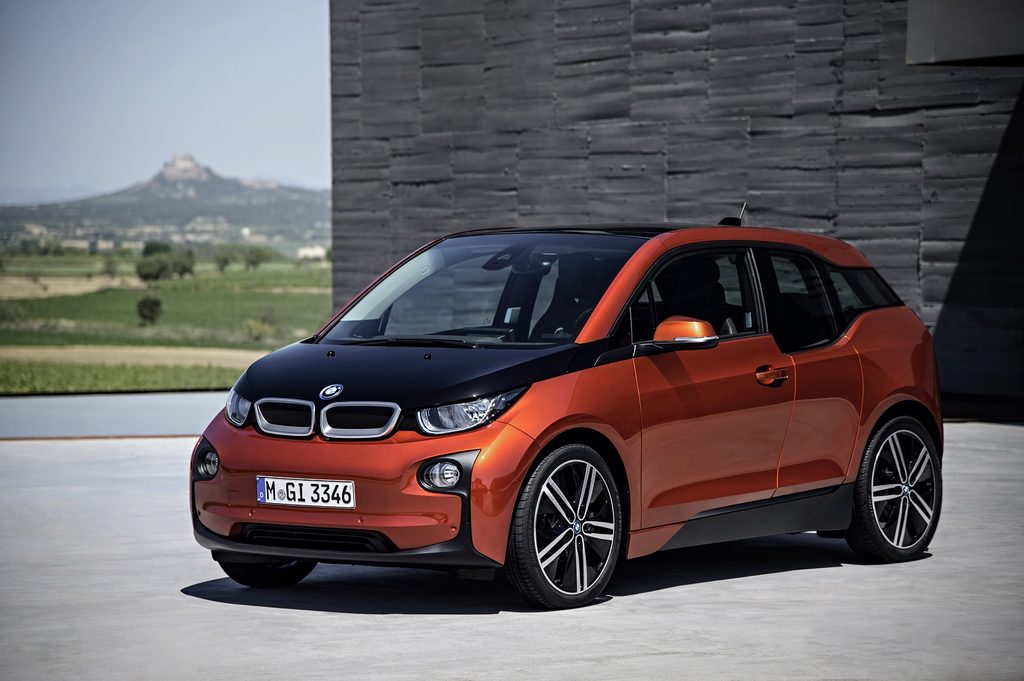
The BMW i3 was officially launched to the global market in November 2013, and a decade later, it remains one of the most distinctive electric vehicles ever produced. The final model year in the United States started at approximately $44,450 before federal tax incentives, making it a premium proposition.
For used-car shoppers in 2026, understanding bmw i3 reliability matters more than ever as these carbon-fiber city cars age into the second-hand market.
Is the BMW i3 Reliable for Daily Use?
The BMW i3 has proven genuinely reliable in its core electric powertrain, with most owners reporting trouble-free operation. The electric motor and battery system have shown remarkable durability, with many examples surpassing 100,000 miles without major component failure.
The carbon fiber-reinforced polymer body never rusts, and the aluminum chassis resists corrosion far better than conventional steel vehicles. The carbon-fiber passenger cell and thermoplastic body panels mean minor parking dings are rare, but repairs after accidents can be costly. The unique construction requires specialized repair facilities, and parts availability has improved as the car’s cult following grows. Most daily issues stem from auxiliary systems rather than the electric drivetrain itself.
What Are the Common Maintenance Issues on the BMW i3?
The most frequently reported issue involves the engine mounts on the Range Extender (REx) two-cylinder gasoline engine option sourced from Kymco. These mounts fail prematurely, causing vibration and noise, with replacement costing between $400 and $700 at independent shops.
The 12-volt auxiliary battery also fails every four to five years, leaving owners stranded if not replaced proactively. Air conditioning compressor failures have been documented, particularly in hot climates like India, with repair costs ranging from $1,200 to $2,000. The charge port door mechanism can stick, and the panoramic roof’s sunshade mechanism occasionally jams. Tire wear is aggressive due to the car’s narrow, tall tires and instant torque, with replacements needed every 25,000 to 30,000 miles.
How Does the BMW i3s Performance Hold Up Over Time?
The high-performance BMW i3s variant produces 184 horsepower (135 kW) and 199 lb-ft of torque, figures that remain respectable even by 2026 standards. The manufacturer-claimed 0 to 100 km/h time of 6.9 seconds still feels urgent in city traffic, and the instant electric torque never fades with age.
The battery does degrade, but BMW’s thermal management system keeps degradation lower than many contemporaries. The fully electric variants offered an EPA-rated range of approximately 153 miles with the larger 42 kWh battery pack introduced later in its lifecycle. Real-world range drops 10-15 percent after eight years of use, which still covers most urban commutes. The driving experience remains engaging, with rear-wheel drive and a low center of gravity providing go-kart-like handling.
What Should Buyers Check Before Purchasing a Used BMW i3?
The battery health report is the single most important diagnostic, and BMW dealerships can provide this for a nominal fee. Check the REx engine mounts immediately if the car has the range extender option, as this is the most common failure point.
Verify the 12-volt battery’s age, and budget for replacement if it exceeds four years. Review the service history for air conditioning compressor replacements, especially in warmer regions. Test the charge port door mechanism and ensure the sunroof shade operates smoothly. A pre-purchase inspection at a BMW specialist costs $150 to $300 but can save thousands in unexpected repairs.
What Is the Verdict on BMW i3 Ownership in 2026?
The BMW i3 remains a compelling used EV purchase, with reliability that defies its early skepticism.
FAQs
How reliable is the BMW i3 over the long term?
The BMW i3 has proven to be a highly reliable electric vehicle, with the battery pack and electric motor rarely causing major failures. Owners typically report the carbon-fiber body and aluminum chassis holding up well, though the range extender engine on REx models requires more attention than the pure EV version.
What are the most common maintenance issues with the BMW i3?
The most frequent problems include the 12-volt auxiliary battery failing every 3-5 years, air conditioning compressor issues, and tire wear due to the narrow, tall tire design. Owners also see brake caliper corrosion from the car’s regenerative braking system, which leaves the mechanical brakes underused.
Was this article helpful?
Your feedback directly improves future articles on this site.