NAM321/6 (50 ov)
 IRE
 AVL
 MNC
 RAY
 ELC
 GMB
 ZMB
 NGA
 LES
 CAG
 BOL
 COMO
 SAS
 FCA
 FCU
 KOE
 S04
 MOZ19
 UGA23/0 (0.5/20 ov, target 20)
 NZ180/5
 IND181/6 (19.5/20 ov, target 181)
 Ipswich1
 Nottm Forest1
 Alavés1
 Málaga1
 WA105/3 (18.5/50 ov, target 372)
 NSW371/8
 DEN
 KUW
 KENYA
 QAT
 SWD-W
 EPR-W
 TTN-W
 WPR-W
 BOR
 WAR15/1 (2.5/20 ov)
 LIONS
 Limpo21/1 (2.5/20 ov)
 NZ-A135/3 (41 ov)
 IND-A113
 DHA293/3 (84.1 ov)
 RAJ
 MYMS
 CHATT
 RAN320/5 (80 ov)
 BAR
 MEX-W
 ARG-W
 UAE
 NED
 PAK
 ENG
 IND-W
 ZIM-W
 AFG170/3 (34.3/50 ov, target 170)
 ZIM169
 CHE0
 DYI0
 CHO1
 QIN0
 HEN1
 BEI0
 LIA1
 ZHE0
 QWC1
 YUN0
 SHX0
 Shanghai Shenh0
 TIG0
 SHP0
 WTT1
 SHT3
 M05
 SVW
 RBL
 ELV
 Torino3
 Monza2
 Brest1
 Nice2
 Stuttgart2
 Gladbach3
 Al Ahli4
 Al Khaleej1

A new survey shows that Samsung’s ecosystem has built serious user loyalty, with most Android users staying put once they’re invested in Samsung’s connected devices and software. The data is pretty clear: once people buy into Samsung — phones, tablets, wearables, smart home gadgets — they’re way more likely to stick with the brand across the board than they used to be.
Why the Samsung Ecosystem Is Winning
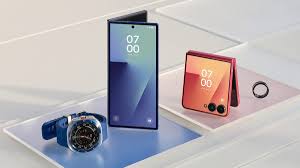
Samsung’s ecosystem strategy works because it just makes things easier. You’ve got a Samsung Galaxy S26? You’ll naturally want a Samsung tablet, Galaxy Buds, and a Galaxy Watch because they all talk to each other — your messages show up everywhere, photos sync automatically, and moving between devices feels almost invisible.
This didn’t happen by accident. Samsung spent the last five years building serious cross-device integration, and it’s clearly working. One UI ties everything together so well that it’s tough for users to justify jumping ship. The Verge reports that ecosystem lock-in has become the biggest driver of customer retention across tech.
Here’s the thing: convenience wins over price every time. People aren’t sticking with Samsung because it’s cheaper — they’re staying because leaving would mean replacing a bunch of devices all at once.
The Survey Data Behind User Commitment
The numbers are impressive. A huge chunk of respondents said they own three or more Samsung devices at the same time. If you look at people with Samsung smartphones, their adoption rates for Samsung tablets and wearables shoot up compared to folks using other Android phones.
Here’s what we’re seeing:
| Device Category | Samsung Ecosystem Adoption |
|---|---|
| Smartphone + Tablet | 65%+ cross-ownership |
| Smartphone + Wearable | 58%+ cross-ownership |
| Three+ Device Users | 42% stay within ecosystem |
Samsung’s winning where it counts most — in people’s wallets and their daily routines across the globe.
What This Means for Android Competition
This survey should worry companies like Google, OnePlus, and Motorola. Samsung’s strategy has built a wall that’s hard to break through. Once users are locked into Samsung’s wearables, cloud services, and smart home stuff, switching becomes a real pain — not just cost-wise, but in terms of actually getting things done.
Nvidia partners with Samsung on next-gen mobile chips, which gives the ecosystem another performance boost. Samsung controls more of the supply chain than its rivals because of this vertical integration.
Bottom line: Samsung’s ecosystem isn’t just a product lineup anymore. It’s become a lifestyle that keeps users in through real usefulness, not just tricks.
FAQ
Q: Can I mix Samsung devices with other Android brands?
Sure, but you’ll lose features like seamless handoff and unified backups.
Q: Is the ecosystem worth the premium?
If you’re using multiple devices daily, most power users think the convenience factor is worth it.
Q: What’s the biggest advantage of staying in the ecosystem?
Unified notifications, photo syncing, and instant switching across phones, tablets, and wearables.