
 UAE244/8
 NED164/5 (28.5/50 ov, target 245)
 PAK
 ENG241 (46.4/50 ov)
 IND-W318/6 (49.1/50 ov)
 ZIM-W
 MOZ
 ZMB
 FOR0
 EXC0
 INT
 FIO
 CHU
 PFC
 NGA
 UGA
 ATH
 GET
 MEX-W
 ARG-W
 CRY
 NEW
 HUL
 BRE
 LIV
 BHA
 GMB112/9
 LES109 (19.5/20 ov, target 113)
 Atlético1
 Deportivo0
 Lazio2
 Parma1
 DEN
 PNG
 KENYA
 JER
 MOUNT185
 TUSK19/0 (4.5/50 ov, target 186)
 ROCKS35/3 (8.3/50 ov, target 287)
 EAGLE286/7
 LIMWn
 NW-W
 NCWmn
 FsWm
 SWD-W
 EPR-W
 TTN-W
 WPR-W
 SIKM
 NAGA
 JHK
 DELHI
 ODSA
 SVCS
 CGR
 AP
 BRODA
 J & K
 CHD
 HP
 MAN
 BOU
 ATA
 FRO
 Lens2
 Paris FC1
 Al Riyadh2
 Al Taawoun1
 Chelsea0
 Spurs2
 Valencia1
 Villarreal2

Eco repair just entered a new era. Materials scientists have cracked the code on self-healing polymers and bio-based composites that can seal cracks, restore conductivity, and eliminate the need for component replacement—potentially cutting smartphone e-waste by 40% within five years. This breakthrough reshapes how manufacturers design devices and what “sustainable” actually means on your shelf.
Table of Contents
Here’s What Happened
Major smartphone manufacturers and material science labs are now building self-healing polymers into display bezels, back panels, and internal circuit boards. When these materials encounter microscopic damage, they trigger chemical reactions that seal fractures within hours—no user action required. What sets this apart from earlier attempts? These formulations work at room temperature and survive thousands of healing cycles without losing structural integrity.
Samsung and Apple have both filed patents on similar technologies. The momentum’s building because rare earth element costs are climbing and regulators in the EU and India are cracking down on e-waste.
The Real Impact
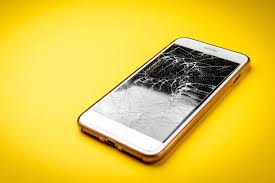
Eco repair upends the replacement-cycle model that’s kept smartphone obsolescence going strong. Your screen cracks? The device heals itself instead of sending you to the service center. This hits where it counts: the planet generates 15 million tonnes of electronic waste annually—a number that’s jumped 62% since 2015.
The wins stack up quickly. Manufacturers dodge logistics costs, refurbishment headaches, and warranty claims. Consumers hold onto devices longer, which matches Samsung Galaxy S26 Advanced AI and Privacy Features Revealed strategies around longevity. The environmental math works: less mining, less manufacturing, less landfill pressure.
Key Details
Self-healing polymers pack microencapsulated healing agents that activate when cracks hit 0.5mm width. Healing takes 4 to 48 hours depending on the material and how bad the damage is. Early tests show 95% strength restoration on first-gen polymers. Here’s the catch: production costs run 12-18% higher than traditional materials right now, though that gap should shrink by 2027 as factories ramp up.
First devices featuring these materials arrive in Q4 2026. The Verge reports at least three major OEMs have already locked in supply contracts.
Voices from the Industry
Material scientists at MIT and Cambridge are clear: eco repair isn’t a buzzword. It’s physics-backed durability. Industry analysts point out that repair shops face real pressure on their revenue models. Sustainability advocates add an important caveat—manufacturers need to use these materials across their lineups, not just toss them in flagship phones.
One genuine concern? Whether consumers actually trust a “self-healing” device or keep swapping phones out of habit. TechCrunch sources say major OEMs are running consumer focus groups to tackle this skepticism head-on.
Looking Ahead
By 2027, expect eco repair to become standard marketing language. The EU and India are eyeing mandatory self-healing material thresholds for mid-range and flagship devices. The real moment arrives when first-gen phones hit the two-year mark—do they actually heal as promised?
Supply chains for healing agents need massive expansion. Watch for patent fights as companies race to commercialize this tech.
People Also Ask
Q: How long does it take for a smartphone to self-heal?
A: Most self-healing polymers need 4 to 48 hours depending on crack size and material type. Larger damage may take longer to activate.




