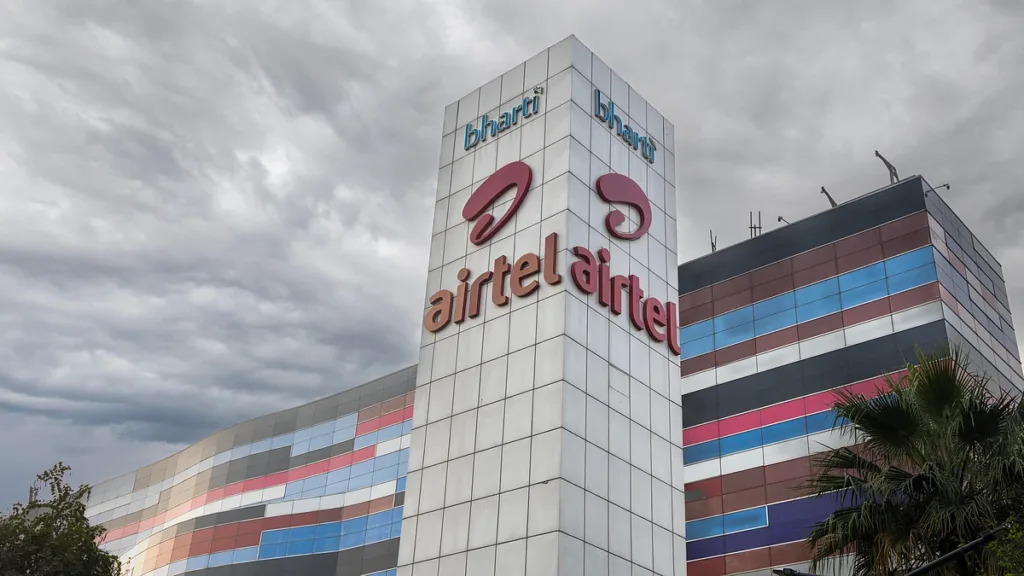
Airtel is moving from telecom into formal lending — in a big way. Airtel Money Limited received its NBFC licence from the Reserve Bank of India on February 13, 2026, and Bharti Airtel has immediately announced a ₹20,000 crore capitalisation plan to back it. The investment will be split 70:30 between Airtel and the promoter group via Bharti Enterprises — making this one of India’s largest planned NBFC launches by initial capital.
Table of Contents
Airtel Money NBFC: Key Details
Airtel has been quietly building this for two years. The ₹9,000 crore already disbursed through its Lending Service Provider platform is proof the infrastructure works — the NBFC licence simply upgrades the legal and regulatory structure around it.
| Detail | Info |
|---|---|
| Entity | Airtel Money Limited |
| Licence Type | NBFC — from Reserve Bank of India |
| RBI Licence Date | February 13, 2026 |
| Total Capitalisation Planned | ₹20,000 crore (over next few years) |
| Airtel’s Contribution | 70% — ₹14,000 crore |
| Bharti Enterprises Contribution | 30% — ₹6,000 crore |
| Existing LSP Disbursements | ₹9,000 crore (last 2 years) |
| Data Scientists on Platform | 500+ |
| India Credit-to-GDP Ratio | 53% (per Care Edge Ratings) |
| LSP Platform Status | Continues operating — separate from NBFC |
| Platform Structure | NBFC + LSP with clear operational segregation |
| Announced by | Gopal Vittal, Executive Vice Chairman, Bharti Airtel |
Why Airtel’s NBFC Play Is More Credible Than Most
India is full of telecom companies that want to be fintechs. Most fail because lending is harder than payments — underwriting, delinquency management, and portfolio risk don’t get solved by a large customer base alone.
Airtel’s position is structurally different. The LSP platform it’s been running for two years has already disbursed ₹9,000 crore with what the company describes as strong delinquency outcomes — meaning the bad debt rate is low. The 500+ data scientists building the analytics engine have two years of actual repayment behaviour to train on, not just synthetic models. That track record is the reason the RBI granted the licence.
The 53% formal credit-to-GDP ratio that Airtel cites is the opportunity framing. India’s figure sits well below comparable emerging economies — Brazil at 73%, China at 185%, South Korea at 194% — meaning even modest expansion of formal credit access represents a structurally enormous market.

The operational segregation between the NBFC and the existing LSP platform is also important. It means Airtel can continue its existing bank partnerships and co-lending arrangements while the NBFC scales independently — rather than forcing a hard cutover that would disrupt services for existing customers.
Jio Financial Services, Paytm, and PhonePe are all competing for the same unbanked and underbanked borrower base. Airtel’s advantage is its billing relationship with 370 million subscribers — a direct view into income, payment reliability, and spending patterns that few lenders can match.
For the official press release, visit Airtel’s newsroom.
Check our Airtel financial services and India fintech news on TechnoSports and our India digital payments and lending sector 2026 coverage.
FAQs
What is Airtel Money Limited and when did it get its NBFC licence?
Airtel Money Limited is Bharti Airtel’s digital lending entity, which received its NBFC licence from the Reserve Bank of India on February 13, 2026, backed by a ₹20,000 crore capitalisation plan.
How much has Airtel’s lending platform already disbursed before the NBFC launch?
₹9,000 crore — disbursed over two years through Airtel’s existing Lending Service Provider platform, with strong delinquency outcomes that formed the basis for the RBI’s NBFC licence approval.