Cricket fixturesFootball fixtures
  • LIVEICC Men's T20 World Cup Sub Regional Africa Qualifier Group CNGAUGAStarts at 14:00 local timeFixtures
  • LIVEArgentina Women tour of Mexico 2026/27MEX-WARG-WStarts at 08:00 local timeFixtures
  • LIVEEnglish Premier LeagueCRY0NEW152'TableFixtures
  • LIVEEnglish Premier LeagueHUL1BRE050'TableFixtures
  • LIVEEnglish Premier LeagueLIV2BHA049'TableFixtures
  • LIVEEnglish Premier LeagueMAN0BOU250'TableFixtures
  • LIVEItalian Serie AATA3FRO349'TableFixtures
  • LIVEItalian Serie AGEN1VEN049'TableFixtures
  • UPCOMINGSpanish LALIGACELBETTableFixtures
  • UPCOMINGFrench Ligue 1AUXMNSTableFixtures
  • UPCOMINGFrench Ligue 1ANGLORTableFixtures
  • UPCOMINGFrench Ligue 1OLMHACTableFixtures
  • UPCOMINGFrench Ligue 1RENSTRTableFixtures
  • UPCOMINGFrench Ligue 1TOUTRYTableFixtures
  • UPCOMINGEnglish Premier LeagueSUNLEETableFixtures
  • UPCOMINGGerman BundesligaSCFMUNTableFixtures
  • RESULTSpanish LALIGAATH4GET0FTTableFixtures
  • RESULTItalian Serie AINT2FIO1FTTableFixtures
  • RESULTIndian Super LeagueCHU2PFC3FTTableFixtures
  • RESULTICC Men's T20 World Cup Sub Regional Africa Qualifier Group CGMB112/9LES109 (19.5/20 ov, target 113)Gambia won by 3 runsFixtures
  • LIVEICC Men's T20 World Cup Sub Regional Africa Qualifier Group CNGAUGAStarts at 14:00 local timeFixtures
  • LIVEArgentina Women tour of Mexico 2026/27MEX-WARG-WStarts at 08:00 local timeFixtures
  • LIVECWC Challenge League Group ADENPNGStarts at 09:45 local timeFixtures
  • LIVECSA Women's Division Two T20LIMWnNW-WStarts at 10:00 local timeFixtures
  • LIVECSA Women's Division Two T20NCWmnFsWmStarts at 10:00 local timeFixtures
  • LIVESouth Africa Domestic T20/Pro20BOL137/9 (20 ov)TITNS137/8Match tied (Boland won the 2nd Super Over)Fixtures
  • LIVESouth Africa Domestic T20/Pro20NWEST22/3 (3.1/20 ov, target 181)NCAPE180/3No resultFixtures
  • LIVENCL GT20 Canada 2026/27MISVAG169/4 (20 ov)Mississauga Skyhawks won the toss and elected to fieldFixtures
  • LIVEIndia A tour of New Zealand 2026/27NZ-A317IND-A113 & 106/2 (36 ov)India A trail by 98 runs with 8 wickets remainingFixtures
  • LIVENational Cricket LeagueSYL280/2 (84 ov)KHUSylhet Division won the toss and elected to batFixtures
  • LIVENational Cricket LeagueMYMS465/7dCHATT134/2 (40 ov)Chattogram Division trail by 331 runs with 8 wickets remaining in the 1st inningsFixtures
  • LIVENational Cricket LeagueDHA521RAJ103/6 (26 ov)Rajshahi Division trail by 418 runs with 4 wickets remaining in the 1st inningsFixtures
  • UPCOMINGNCL GT20 Canada 2026/27BRBMOWFixtures
  • UPCOMINGNCL GT20 Canada 2026/27MOWTOKFixtures
  • UPCOMINGNCL GT20 Canada 2026/27BRBMISFixtures
  • UPCOMINGRanji TrophySIKMNAGAFixtures
  • UPCOMINGRanji TrophyJHKDELHIFixtures
  • UPCOMINGRanji TrophyODSASVCSFixtures
  • UPCOMINGRanji TrophyCGRAPFixtures
  • UPCOMINGRanji TrophyBRODAJ & KFixtures
  • RESULTICC Men's T20 World Cup Sub Regional Africa Qualifier Group CGMB112/9LES109 (19.5/20 ov, target 113)Gambia won by 3 runsFixtures
  • RESULTICC Men's T20 World Cup Sub Regional Africa Qualifier Group CMOZ110/7 (19/20 ov, target 110)ZMB109/9Mozambique won by 3 wickets (with 6 balls remaining)Fixtures
  • RESULTZimbabwe Women tour of India 2026/27IND-W328/6ZIM-W207 (48.5/50 ov, target 329)IND Women won by 121 runsFixtures
  • RESULTPakistan ODI Tri-SeriesPAK243/9 (47.1/50 ov, target 242)ENG241Pakistan won by 1 wicket (with 17 balls remaining)Fixtures
  • RESULTICC Men's Cricket World Cup League 2UAE244/8NED245/7 (43.5/50 ov, target 245)Netherlands won by 3 wickets (with 37 balls remaining)Fixtures
  • RESULTArgentina Women tour of Mexico 2026/27MEX-W23 (9.3/20 ov, target 189)ARG-W188/5ARG Women won by 165 runsFixtures
  • LIVEEnglish Premier LeagueCRY0NEW152'TableFixtures
  • LIVEEnglish Premier LeagueHUL1BRE050'TableFixtures
  • LIVEEnglish Premier LeagueLIV2BHA049'TableFixtures
  • LIVEEnglish Premier LeagueMAN0BOU250'TableFixtures
  • LIVEItalian Serie AATA3FRO349'TableFixtures
  • LIVEItalian Serie AGEN1VEN049'TableFixtures
  • LIVEFrench Ligue 1MON0LILL148'TableFixtures
  • LIVEIndian Super LeagueKER0MCFC050'TableFixtures
  • LIVEGerman BundesligaTSG0B04038'TableFixtures
  • LIVEDutch EredivisieNEC2GRO276'TableFixtures
  • LIVEDutch EredivisiePSV1FEY179'TableFixtures
  • LIVEScottish PremiershipMotherwell0Hearts182'TableFixtures
  • UPCOMINGSpanish LALIGACELBETTableFixtures
  • UPCOMINGFrench Ligue 1AUXMNSTableFixtures
  • UPCOMINGFrench Ligue 1ANGLORTableFixtures
  • UPCOMINGFrench Ligue 1OLMHACTableFixtures
  • UPCOMINGFrench Ligue 1RENSTRTableFixtures
  • UPCOMINGFrench Ligue 1TOUTRYTableFixtures
  • UPCOMINGEnglish Premier LeagueSUNLEETableFixtures
  • UPCOMINGGerman BundesligaSCFMUNTableFixtures
  • RESULTSpanish LALIGAATH4GET0FTTableFixtures
  • RESULTItalian Serie AINT2FIO1FTTableFixtures
  • RESULTIndian Super LeagueCHU2PFC3FTTableFixtures
  • RESULTSpanish LALIGAAtlético1Deportivo0FTTableFixtures
  • RESULTItalian Serie ALazio2Parma1FTTableFixtures
  • RESULTFrench Ligue 1Lens2Paris FC1FTTableFixtures
Rsrs

RSS Chief Mohan Bhagwat Advocates Three-Child Policy: A Bold Vision for India’s Demographic Future

The recent statement by Rashtriya Swayamsevak Sangh (RSS) chief Mohan Bhagwat advocating for every Indian family to have three children has sparked nationwide debate about India's population policy. This bold…

August 29, 2025
4 min read

The recent statement by Rashtriya Swayamsevak Sangh (RSS) chief Mohan Bhagwat advocating for every Indian family to have three children has sparked nationwide debate about India’s population policy. This bold demographic vision challenges conventional family planning wisdom and raises important questions about national stability.

Understanding Mohan Bhagwat’s Population Strategy

Bhagwat emphasized that “to ensure that the population remains controlled and enough at the same time, every family should have three children, but not too many more than that” during the “100 Varsh ki Sangh Yatra” program. His reasoning centers on maintaining optimal demographic balance for societal survival.
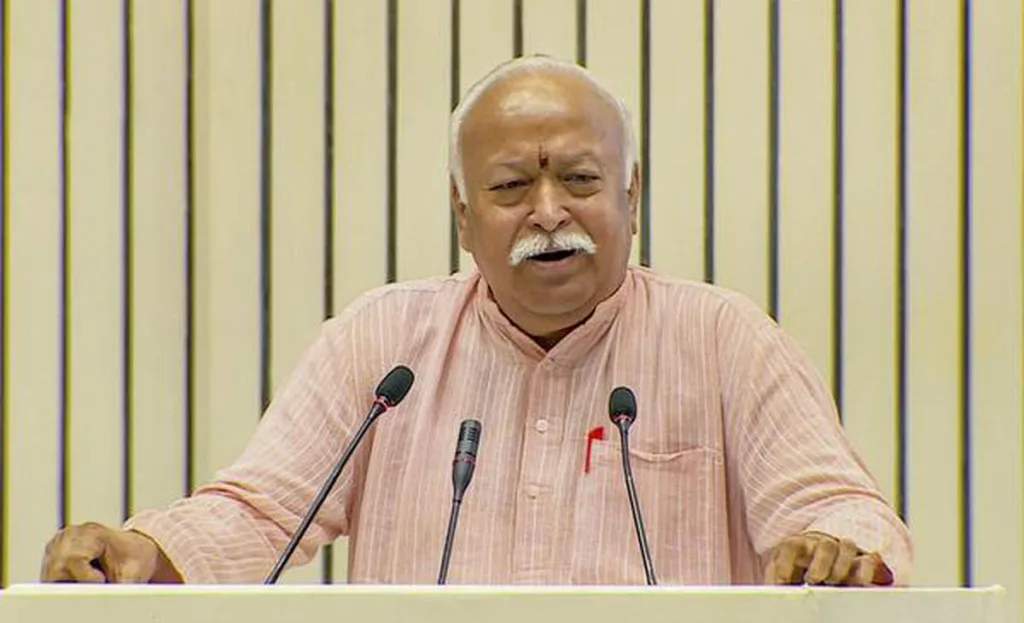
Mohan Bhagwat

Key Arguments Behind the Three-Child Recommendation

AspectBhagwat’s Perspective
Population BalanceMaintains adequate workforce while preventing decline
Fertility RateAims to sustain replacement level at 2.1
Cultural ContinuityEnsures societal survival and national resilience
Economic StabilityBalances population as both asset and burden

The RSS chief’s stance reflects concerns about demographic transitions affecting many developed nations. Bhagwat cited demographic science, emphasizing the need for population stability to ensure societal survival.

The Science Behind Population Replacement

Demographers typically recommend a Total Fertility Rate (TFR) of 2.1 children per woman for population replacement. Bhagwat urged couples to marry earlier and have up to three children to maintain fertility rate at 2.1, suggesting his recommendation accounts for various demographic factors.

India’s current fertility rate has been declining, with several states already below replacement level. This trend has prompted discussions about potential demographic dividends versus challenges.

Expert Reactions and Public Debate

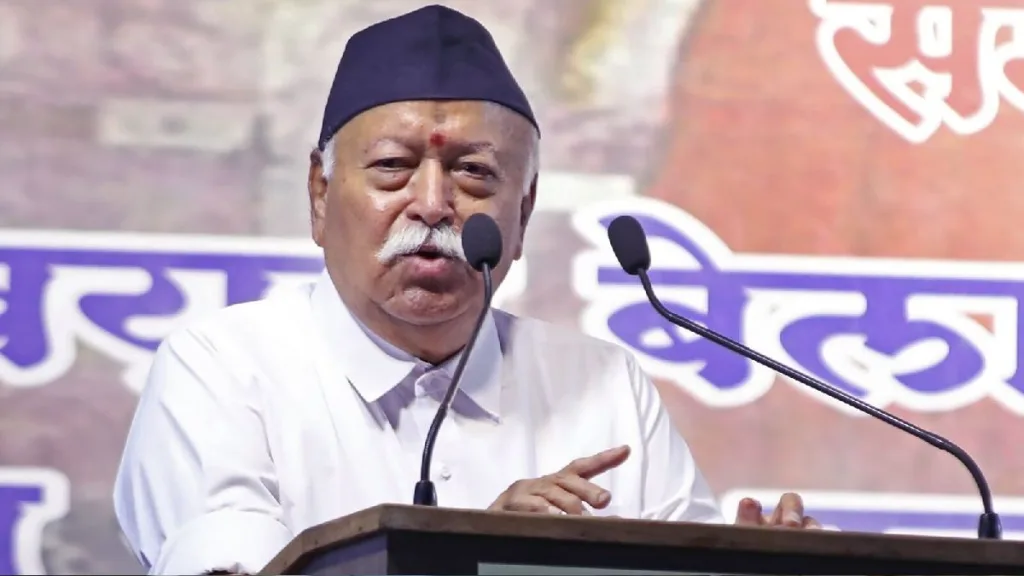
Bhagwat’s comments have sparked debate among demographers, with varying opinions on optimal population policies. Critics argue that quality of life, education, and healthcare should take precedence over quantity. Supporters view it as proactive planning for national strength.

The statement builds on his previous remarks in December 2024, showing consistency in the RSS’s demographic concerns.
Image

Implications for Indian Society

Positive Aspects

  • Ensures adequate workforce for economic growth
  • Maintains cultural and social continuity
  • Prevents aging population challenges

Challenges to Consider

  • Resource allocation and sustainability
  • Quality vs. quantity in child-rearing
  • Individual family choices and circumstances

Modern Family Planning Perspectives

Today’s families face complex decisions balancing personal aspirations, economic realities, and societal expectations. Bhagwat emphasized proper upbringing, stating “This is to ensure their upbringing is proper. This is something everyone should accept”.

The debate extends beyond mere numbers to encompass educational opportunities, healthcare access, and environmental sustainability. Learn more about family planning considerations and demographic trends affecting modern India.

Global Context and Lessons

Several countries grapple with similar demographic challenges. Nations like Japan and South Korea face aging populations due to declining birth rates, while others implement various family support policies. India’s approach requires balancing growth with sustainable development goals outlined by the United Nations.

The World Health Organization emphasizes reproductive rights and informed family planning choices, highlighting the complexity of population policies.

Conclusion: Balancing Vision with Reality

Mohan Bhagwat’s three-child recommendation represents one perspective in India’s ongoing demographic discourse. While demographic stability remains crucial for national development, the path forward requires thoughtful consideration of individual rights, resource availability, and sustainable growth.

The conversation reflects broader questions about India’s future – balancing tradition with modernity, collective goals with personal choices, and quantity with quality of life. As this debate continues, informed discussion and evidence-based policy-making will be essential.


Frequently Asked Questions

Q: What is the current fertility rate in India, and how does it compare to Bhagwat’s recommendation?

A: India’s current Total Fertility Rate is approximately 2.0, which is below the replacement level of 2.1. Bhagwat’s three-child recommendation aims to ensure population stability and prevent demographic decline, similar to challenges faced by developed nations with aging populations.

Q: Are there any government policies supporting larger families in India?

A: Currently, India’s official population policy focuses on family planning and reproductive health services rather than encouraging larger families. State governments provide various family welfare programs, but these primarily emphasize choice, healthcare access, and child welfare rather than specific family size recommendations. The RSS chief’s statement represents organizational views rather than government policy.

Follow us on Google News Get real-time updates & exclusive tech coverage
Follow

Leave a Reply

Your email address will not be published. Required fields are marked *