MBSG
MBSG CFC
CFC PSG
PSG LYON
LYON SEV
SEV OSA
OSA NED
NED OMA
OMA NZ
NZ IND
IND NAM
NAM IRE
IRE PAK
PAK SL
SL SA
SA AUS
AUS Barcelona1
 Real Madrid2
 Udinese0
 Milan2
 Real Sociedad2
 Levante1
 Lecce0
 Juventus2
 LUL
LUL SPR
SPR NZ-A317
 IND-A113 & 488/8 (119 ov)
 SYL280/2 (84 ov)
 KHU
KHU MYMS465/7d
 CHATT317/3 (98 ov)
 DHA521
 RAJ103/6 (26 ov)
 RAN402
 BAR443/9d (124 ov)
 SIKM30/1 (15 ov)
 NAGA187
 JHK
JHK DELHI309/5 (90 ov)
 ODSA194
 SVCS13/0 (5 ov)
 BRODA222/6 (74 ov)
 J & K
J & K CHD298/1 (66 ov)
 HP
HP CGR
CGR AP231 (73.2 ov)
 MOW
MOW TOK
TOK BRB
BRB MIS
MIS BIK
BIK CHR
CHR MEX-W51 (12.5/20 ov, target 187)
 ARG-W186/7
 NGA148
 UGA147/9 (20 ov, target 149)
 GMB112/9
 LES109 (19.5/20 ov, target 113)
 MOZ110/7 (19/20 ov, target 110)
 ZMB109/9
 IND-W328/6
 ZIM-W207 (48.5/50 ov, target 329)
 ENG241
 Abha
Abha Al Faisaly
 Sassuolo
 Lazio
Lazio AS Roma
 Cagliari
 Torino
 Como
Como NEF
NEF ITT
ITT Sunderland0
 Leeds0
 Freiburg1
 Bayern3
The 2026 adaptation of Emily Brontë’s Wuthering Heights has left audiences emotionally devastated with its haunting conclusion. If you’re puzzled by Heathcliff’s fate and the film’s ambiguous ending, here’s everything you need to know.
Wuthering Heights Key Characters and Their Fates
| Character | Final Fate | Significance |
|---|---|---|
| Heathcliff | Dies alone, possibly reunited with Catherine in death | Tragic protagonist consumed by revenge |
| Catherine Earnshaw | Dead (appears in visions) | Heathcliff’s eternal obsession |
| Hareton Earnshaw | Finds happiness with young Cathy | Represents redemption |
| Young Catherine | Escapes cycle of revenge | Hope for the future |
What Happens to Heathcliff?
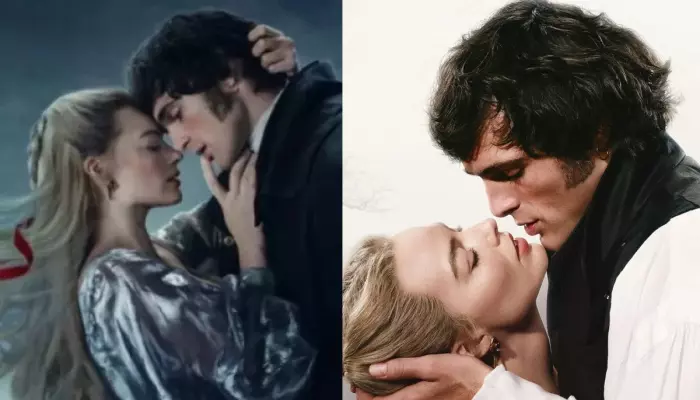
In this modernized adaptation, Heathcliff’s ending remains faithful to Brontë’s original vision while adding cinematic intensity. After years of orchestrating revenge against the Earnshaw and Linton families, Heathcliff becomes consumed by visions of his deceased beloved, Catherine Earnshaw.
The film’s climax shows Heathcliff refusing food and wandering the moors obsessively, calling out for Catherine. His psychological deterioration reflects a man who has achieved everything he sought—wealth, status, revenge—yet remains empty without the only thing he truly wanted: Catherine’s love.
The Ambiguous Death Scene
The 2026 version leaves Heathcliff’s death intentionally ambiguous. Viewers witness him in his bedroom at Wuthering Heights, staring through the window with an expression of peace and terror combined. When discovered, he’s found dead with the window open, suggesting he either saw Catherine’s ghost or simply died from his self-imposed starvation and exposure.
This interpretation aligns with Gothic literature traditions where the supernatural and psychological blend seamlessly, leaving audiences questioning whether Catherine’s spirit truly appeared or if Heathcliff’s obsession drove him to madness.
Hope Amidst Tragedy
While Heathcliff’s story concludes in darkness, the film offers redemption through Hareton Earnshaw and young Catherine Linton. Their budding romance represents breaking the cycle of revenge and hatred that destroyed the previous generation.
The final scenes juxtapose Heathcliff’s lonely death with Hareton and young Cathy’s plans to restore Wuthering Heights and Thrushcross Grange, symbolizing renewal and healing. This duality reinforces the film’s central message: destructive obsession versus healthy love. For more insights on classic literature adaptations, visit TechnoSports’ entertainment section.
The Supernatural Question
Director Emerald Fennell leaves viewers debating whether supernatural forces truly exist in this universe or if everything stems from psychological trauma. The ghost sightings can be interpreted as manifestations of guilt, grief, and obsession rather than actual spirits.
This ambiguity strengthens the film’s impact, allowing each viewer to draw their own conclusions about Heathcliff’s fate—was he finally reunited with Catherine in death, or did he die alone, tortured by impossible longing?
Critical Reception
The 2026 adaptation has been praised for its atmospheric cinematography and emotionally raw performances that capture the novel’s intensity while making it accessible to modern audiences. Discover more film reviews at TechnoSports.
Frequently Asked Questions
Does Heathcliff get reunited with Catherine in the afterlife?
Why doesn’t Heathcliff find peace despite achieving his revenge?
Heathcliff’s revenge was always a substitute for what he truly wanted—Catherine’s love—proving that hatred and vengeance cannot fill the void left by lost love.