Workers are pushing back against employer plans to use AI Job Screening for applications, according to a TechRadar report published on August 6, 2026. Labor advocates and employment lawyers shared with the outlet that they’ve noticed an increase in candidate resistance throughout the first half of 2026. The report connects this pushback to automated hiring tools from companies like Workday and Greenhouse, although those specifics remain unconfirmed.
The resistance shows up in various ways. Candidates are refusing to complete AI-only assessments, filing complaints with state labor agencies, and in some cases, enlisting lawyers to send demand letters challenging rejection decisions. Employment lawyers mentioned a shift from passive frustration to organized action. This change stands out compared to previous years when applicants simply moved on without a fight.
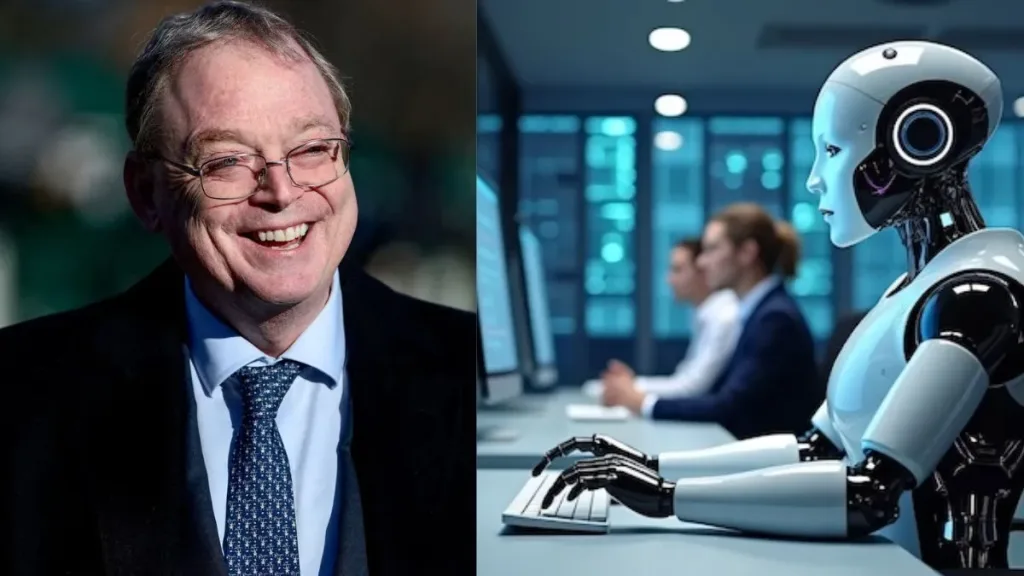
Why Candidates Are Fighting Back with AI Job Screening
At the heart of this issue is transparency. AI screening tools rank, score, and reject applicants without providing any explanations. A candidate can get filtered out in seconds based on patterns in a résumé, a video interview, or even the timing of their responses—often with no human review or appeal process. For workers, it feels less like efficiency and more like a mysterious black box deciding their future.
Employers have a different perspective. Automated screening can handle thousands of applications in just hours, cut hiring costs, and theoretically remove human bias from the initial stages. The tension is palpable: speed and scale versus fairness and accountability. Still, the workers’ argument has gained traction because even employers often struggle to explain why an AI rejected a candidate. When the system lacks transparency, the burden of proof unfairly falls on the candidate.
AI Job Screening: The Regulatory Backdrop
This pushback isn’t occurring in isolation. New York City’s Local Law 144 already mandates bias audits for automated employment decision tools, while the EU AI Act classifies hiring algorithms as high-risk systems. What’s new in 2026 is the employee-led pressure from below, complementing regulation from above. This dynamic reflects broader accountability debates within the tech industry, highlighting the same gap between automation and oversight that we see in enterprise security tools from Thales and the hardware design of NVIDIA RTX.
AI Job Screening: What Happens Next
Expect the pressure to ramp up in the second half of 2026. Employment lawyers predict more demand letters, an increase in class-style complaints, and more employers quietly incorporating human review into their processes. Some companies have already started to respond by making AI screening assistive rather than definitive—using it to shortlist candidates while leaving final decisions to human beings.
The smart move for employers is transparency: inform applicants that an AI is involved and explain how it works.
FAQs: AI Job Screening
How do job seekers feel about AI screening tools used by corporations?
Job applicants increasingly express frustration and distrust toward automated recruitment software because algorithms often penalize qualified candidates due to rigid keyword matching. Workers argue that dehumanizing hiring practices strip away context from resumes, making the employment process unnecessarily stressful and deeply flawed.
What steps are workers taking to bypass AI recruitment filters?
Candidates now utilize specialized optimization software and hidden text strategies to trick automated hiring algorithms into passing their resumes. Additionally, activists and labor unions are lobbying lawmakers to introduce stricter regulations regarding algorithmic bias and workplace surveillance.