NZ94/3 (13/20 ov)
 IND
IND NAM36/1 (7.3/50 ov)
 IRE
IRE MOZ
MOZ UGA
UGA AVL
AVL MNC
MNC RAY
RAY ELC
ELC GMB
GMB ZMB
ZMB NGA
NGA LES
LES CAG
CAG BOL
BOL COMO
COMO SAS
SAS FCA
FCA FCU
FCU Ipswich1
 Nottm Forest1
 Alavés1
 Málaga1
 Torino3
 Monza2
 Brest1
 Nice2
Nice2 WA
WA NSW195/3 (30.1/50 ov)
 DEN
DEN KUW
KUW KENYA
KENYA QAT
QAT NZ-A135/3 (41 ov)
 IND-A113
 DHA
DHA RAJ
RAJ MYMS
MYMS CHATT
CHATT RAN
RAN BAR
BAR SYL
SYL KHU
KHU MEX-W
MEX-W ARG-W
ARG-W UAE
UAE NED
NED PAK
PAK ENG
ENG IND-W
IND-W ZIM-W
ZIM-W AFG170/3 (34.3/50 ov, target 170)
 ZIM169
 TAS137 (25.2/35 ov, target 276)
 VIC304/7 (50 ov)
 CHE0
CHE0 DYI0
DYI0 CHO1
CHO1 QIN0
QIN0 HEN1
HEN1 BEI0
BEI0 LIA1
LIA1 ZHE0
ZHE0 QWC1
QWC1 YUN0
YUN0 SHX0
SHX0 Shanghai Shenh0
 TIG0
TIG0 SHP0
SHP0 WTT1
WTT1 SHT3
SHT3 KOE
KOE S04
S04 M05
M05 SVW
SVW RBL
RBL ELV
ELV Stuttgart2
 Gladbach3
 Al Ahli4
 Al Khaleej1
Remember when curved-edge phones felt like the future? Models like the Samsung Galaxy S and Note “Edge” turned heads with screens that wrapped gently around the sides instead of staying flat. Turns out, that curve was never really about performance — it was about how the phone felt and looked in your hand.
Why Do Some Phones Have Curved Screens?
A curved edge tapers the glass at the sides, making a phone feel noticeably thinner and easier to hold than a flat-screen equivalent with hard, square edges. As screens kept growing year after year, this small tweak made big devices feel far more manageable.
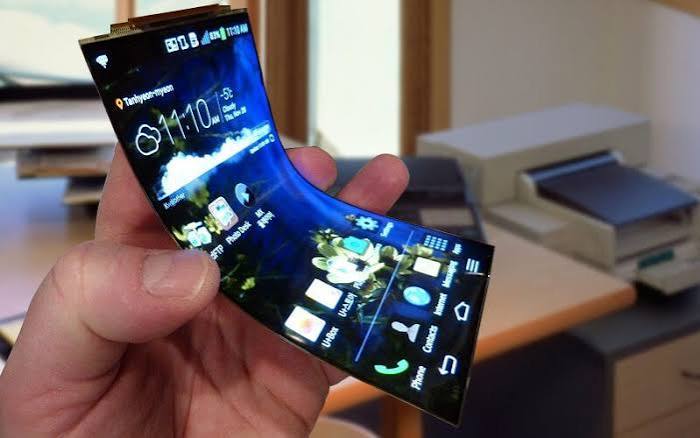
The Bezel Illusion
Curved edges also play a visual trick: because the display appears to wrap around the sides, the bezel looks thinner than it actually is — creating the impression of an almost edge-to-edge screen, even when flat measurements would tell a different story.
More Than Just Looks: Functional Shortcuts
Samsung took the curve a step further with Edge panels — letting users swipe in from the curved side to access shortcuts, contacts, or app pairs. It turned the curve into a mini secondary interface rather than pure design flair. You can see how this feature works on Samsung’s official Edge panel support page.
Why Curved Screens Faded Out
| Trade-off | Impact |
|---|---|
| Accidental touches | Palm brushes the curved edge while holding |
| Manufacturing cost | Curved glass is pricier to produce |
| Repair cost | Cracks are harder and costlier to fix |
| Screen protector fit | Curved glass is trickier to protect |
| Precision input | Flat glass is more accurate for stylus/finger input |
Because of these downsides, many manufacturers — including Samsung on recent flagships — shifted back to flat screens with subtly curved (not fully wrapped) edges, striking a middle ground between comfort and practicality.
The Takeaway
Curved phone screens were mostly a design and ergonomics choice, not a technical necessity — a comfortable grip and a slimmer look, until the real-world downsides made flatter designs the smarter bet.
For more smartphone design breakdowns and tech explainers, check out TechnoSports.