If you’ve followed Indian or Pakistani cricket closely, you’ve probably come across headlines like “Cricketer X appointed as DSP” or “Former all-rounder joins state police as ASP.” It seems like an unusual career shift at first glance — why would a national-level athlete swap the pitch for a police uniform? Turns out, this isn’t random. It’s a well-established system rooted in sports policy, government incentive schemes, and a long history of using cricket as a bridge to public service.
Let’s unpack why this trend exists and how it actually works.
Table of Contents
It’s Not Really About Policing Duties
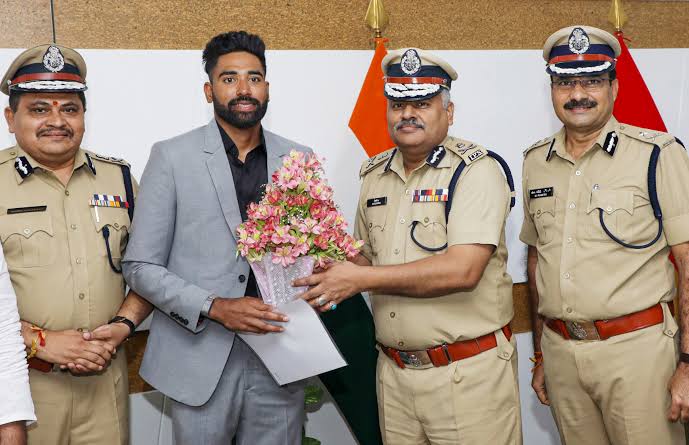
Most cricketers appointed to posts like Deputy Superintendent of Police (DSP) aren’t expected to lead criminal investigations or patrol the streets. These positions are typically awarded under sports quota recruitment schemes, designed to honor and financially secure athletes who’ve brought recognition to their state or country.
| Reason | Explanation |
|---|---|
| Sports quota recruitment | State governments reserve official posts for accomplished athletes |
| Financial security post-retirement | Cricket careers, especially domestic ones, don’t guarantee lasting income |
| State recognition and prestige | Governments use these appointments to honor sporting achievement |
| Encouraging youth participation | Job security acts as an incentive for aspiring young cricketers |
| Administrative and mentorship roles | Many appointees work in sports promotion rather than active policing |
The Sports Quota System Explained
Indian states like Punjab, Haryana, and Madhya Pradesh, and Railways have long-standing sports quota policies that reserve a percentage of government job vacancies for athletes who’ve achieved notable success at the national or international level. This isn’t exclusive to cricket — hockey players, wrestlers, and athletes from other disciplines benefit from similar schemes.
Cricket, however, tends to dominate headlines because of its massive popularity, meaning appointments involving well-known domestic or state-level players attract far more media attention than equivalent appointments in other sports.
Why Domestic Cricketers Need This Safety Net
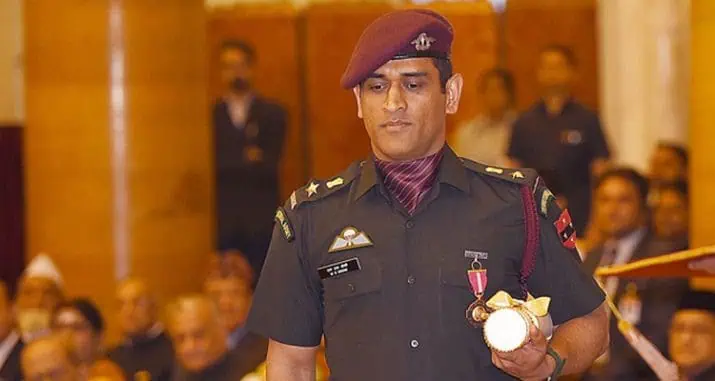
Contrary to popular perception, most cricketers never reach the IPL or international level, where the real financial rewards exist. A large number play only domestic cricket — Ranji Trophy, state leagues, or age-group cricket — where match fees and contracts are comparatively modest and often don’t provide long-term financial stability.
Government jobs, particularly in police or administrative departments, offer a stable salary, pension benefits, and social status, making them an attractive safety net for cricketers whose playing careers don’t translate into lasting wealth.
DSP Isn’t Always the Starting Point
While DSP appointments make headlines, many cricketers actually begin with more modest sports-quota postings, such as constable or inspector-level roles, and get promoted over the years based on service tenure and departmental rules, similar to conventional police officers.
High-profile direct DSP appointments are usually reserved for cricketers with truly outstanding achievements, such as playing significant roles in state-level titles, national championships, or representing India in age-group or domestic tournaments.
State Governments Use This as a PR and Motivation Tool
Beyond individual benefit, these appointments serve a broader purpose. State governments often use high-profile sports job announcements to promote their state’s investment in athletic development, encouraging more young talent to take up cricket seriously, knowing there’s a long-term backup plan even if a professional career doesn’t fully take off.
This is particularly common in states with strong cricketing pipelines but limited direct financial reward systems compared to BCCI’s central contracts, which are reserved for a small elite group of international players.
Does This Happen in Other Countries Too?
Yes, though the specifics vary. In Pakistan, several first-class and international cricketers have received similar recognition through government or armed forces-linked postings. In India, apart from police departments, cricketers are also absorbed into public sector organisations like the Indian Railways, the Income Tax Department, and various state sports departments, all of which maintain strong sports quota recruitment traditions.

Does This Impact Actual Policing Standards?
This is a common public debate. Critics argue that these appointments blur professional policing standards, since sporting achievement doesn’t necessarily reflect law enforcement training or capability. Supporters, however, point out that these roles are largely administrative, ceremonial, or focused on sports development within the department, rather than frontline law enforcement duties.
Quick Recap
| Question | Answer |
|---|---|
| Why do cricketers get police jobs like DSP? | Through sports quota schemes rewarding sporting achievement |
| Do they perform regular police duties? | Rarely — most roles are administrative or sports-focused |
| Why is this system needed? | Domestic cricket often lacks long-term financial security |
| Is DSP always the starting post? | No, many start lower and get promoted over time |
| Does this happen outside India? | Yes, similar systems exist in Pakistan and other cricket-playing nations |
Curious about the untold career paths and real-life stories behind your favourite cricketers? Explore more behind-the-scenes sports stories and athlete journeys on TechnoSports to go beyond the scoreboard.