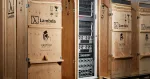
White Castle’s Tech Pivot: Automating the Drive-Thru Experience
For decades, the iconic White Castle experience has been defined by its unique menu and the personal touch of its team members. However, the fast-food landscape is rapidly evolving, driven by consumer demand for speed and convenience. White Castle’s decision to deploy 1,000 automated kiosks marks a clear pivot towards embracing technology to meet these expectations.
This move positions White Castle alongside other major fast-food chains that have already integrated self-service options, aiming to capture market share by optimizing operational flow. The company confirmed that the rollout began on April 25, 2026, with a target completion by the end of Q3 2026, indicating a deliberate and phased approach to nationwide implementation. This isn’t just about adding screens; it’s about rethinking the entire customer journey from arrival to order fulfillment.

The Kiosk Advantage: Speed, Customization, and Operational Gains
The core promise of these new automated kiosks for White Castle is enhanced efficiency. By shifting a portion of the order-taking process to self-service terminals, the company anticipates a significant reduction in queue times, particularly during peak hours. Each kiosk is equipped with a 15.6-inch touchscreen display, offering customers a clear and interactive way to navigate the full White Castle menu.
This interface allows for extensive order customization, enabling patrons to precisely tailor their sliders, sides, and drinks – a feature that can lead to higher average order values and increased customer satisfaction. Internally, these kiosks are powered by robust Intel Core i5 processors with 8GB RAM and 256GB SSD storage, ensuring smooth performance and responsiveness for every transaction. While battery specifications are not applicable as they are mains-powered, the underlying hardware suggests a commitment to reliable, long-term operation.
Analyzing the Investment: Cost, Technology, and Future Implications
The $5,000 per unit cost for these kiosks represents a substantial capital expenditure for this, underscoring the strategic importance of this technological upgrade. This investment is not merely about hardware; it’s about the potential for operational savings through optimized staffing and reduced order errors.
Not everyone agrees with the rapid push towards automation – critics argue that the personal interaction at fast-food counters is a key part of the customer experience for some demographics. However, the technology’s data likely shows that for a significant segment of their customer base, speed and accuracy are paramount, especially during busy lunch and dinner rushes. The reliance on Intel processors and standard RAM/SSD configurations suggests a focus on proven, reliable technology, minimizing potential points of failure. This approach is crucial for a chain aiming for consistency across its extensive network. According to The Verge.
What’s Next for the tool’s Digital Evolution?
With the initial deployment of 1,000 kiosks underway, the focus now shifts to how effectively this approach integrates this technology into its existing operations. The absence of announced mobile app integration or remote ordering features at this stage is notable. This suggests a deliberate strategy to first perfect the in-store, self-service experience before expanding to digital channels. Future iterations could potentially see these kiosks linking with a revamped Microsoft Introduces AI-Powered ordering system or even integrating with loyalty programs. As the fast-food industry continues its digital transformation, the platform’s move with these automated kiosks is a clear signal that it intends to remain competitive by embracing technological advancements to serve its customers more efficiently.
FAQs
What is the total cost of it’s kiosk rollout?
The initial rollout of 1,000 automated kiosks represents an investment of approximately $5 million, with each unit costing around $5,000. According to TechCrunch.
When will all this locations have these new kiosks?
The deployment began on April 25, 2026, and the technology expects full nationwide implementation by the end of Q3 2026.