BUR0
 KAN0
 REN
 OLY
 WI-A
 LIONS
 AEK
 RMA
 FEN
 LIV
 DOR
 BET
 FCP
 NAP
 RCL
 COMO
 PSV
 BRU
 UAE226/8
 OMA184/9 (50 ov, target 227)
 NZ185 (40.2 ov)
 IND143/5 (22.4/32 ov, target 143)
 Atlético0
 Bayern2
 Barcelona3
 Aston Villa0
 MEGHA144
 NAGA254 & 184 (78.5 ov)
 TPURA268 & 191
 SAU118 & 131/7 (41 ov, target 342)
 BENG143 & 76/4 (24 ov)
 MAHA218
 ODSA23/0 (5 ov)
 JHK433/8d
 CHD94 & 189/7 (57 ov) (f/o)
 TN571/7d
 CGR284 & 254
 HYD280 & 13/2 (4.5 ov, target 259)
 DELHI344
 SVCS266 & 280/5 (66 ov)
 GUJ534/9d
 KER279 & 41/1 (16 ov) (f/o)
 HP153 & 83/4 (29 ov, target 447)
 RAJ78 & 521/8d
 J & K491/5 (130 ov)
 PONDI385
 MNPR289
 SIKM432 & 81/0 (25 ov)
 MIZO571/9d
 ARP285 & 86/1 (32 ov)
 BAN
 WI
 AFG
 ZIM
 AS-W
 BH-W
 ST-W
 PS-W
 JAB
 LUL
 BIK
 KAG
 EASTN
 DOLPH
 HH-W154/7
 MR-W155/6 (19.5/20 ov, target 155)
 CD283 (45.5 ov)
 AUCK357/7
 WELL354/7
 ND152 (35.1 ov)
 RBL
 MNC
 Bodo/Glimt0
 Lille0
 Feyenoord0
 Inter Milan3
 LASK Linz4
 S Bratislava0
 Man Utd3
 AS Roma2

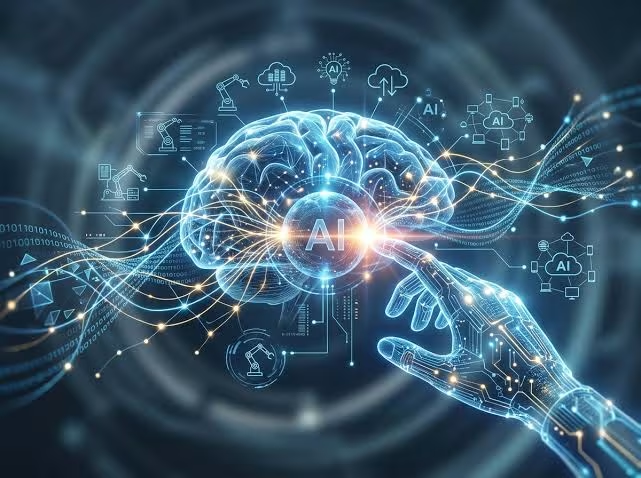
On November 3, 2026, TechRadar Pro reportedly published a column arguing that AI’s greatest value may not be speed, but finding routes people never considered. Titled “When AI finds the path you didn’t know existed,” it presents machine intelligence as a map-maker, not a faster map-follower.
That distinction matters more than it might seem. Most enterprise AI spending still speeds up routes people have already chosen: code review, ticket triage and first drafts. The column points to a different kind of output—options no one on the team had written down.
What the Column Actually Argues
The TechRadar column focuses on search spaces too large for intuition. When possible moves, floorplans or molecular shapes multiply beyond a certain point, human expertise stops guiding the search and starts limiting it.
Specialists don’t explore badly; they explore narrowly. Every hour spent on an unlikely branch is an hour they can’t bill to anyone. Here’s the thing: AI systems don’t face that invoice. They’ll work through the tedious middle of a search space as long as compute allows, sometimes returning something that looks wrong—until it suddenly seems obvious.
The Paths Already Found
The canonical example is still AlphaGo’s move 37 against Lee Sedol in March 2016. The play looked so unusual that commentators initially thought it was a mistake. Google DeepMind later applied the same family of methods to chip floorplanning, producing layouts researchers described as unlike anything human engineers had created.
Biology came next. Protein structure prediction turned decades of experimental work into a screening step. The result wasn’t so much better proteins as a much larger pool of candidate proteins to debate. Worth noting: these wins didn’t come from models that understood their fields like specialists. They came from models that could afford to be wrong millions of times before getting one answer right.
Why Institutions Miss the Shortcut
Human teams are built to defend decisions, not discover new options. A procurement lead who chooses the standard vendor is rarely fired for it; the person who approves an unusual one owns every consequence.
That imbalance prunes the search tree before an algorithm ever sees it. Path dependence makes matters worse. Factories, contracts and dashboards were built around the current route, so switching costs hit right away while benefits come later—and remain uncertain. AI has no sunk cost in the old layout. That’s exactly why its suggestions can feel impertinent.
What Happens Next
The practical next step isn’t a better model. It’s better auditing. Teams adopting these tools need a way to test discovered routes against physics, regulation and unit economics before anyone champions them internally.
Expect “solution auditor” to show up on AI-adjacent org charts long before “AI strategist” disappears. The map isn’t the territory. But when a machine draws new roads, it forces you to admit how much of your strategy was simply the route you learned first.
FAQs
How Can AI Help Individuals Discover New Opportunities?
AI can analyze vast amounts of data to identify patterns and insights that individuals may not recognize, guiding them toward new paths and opportunities they had not considered.
What Are Some Real-World Examples of AI Finding Hidden Paths?
Examples include AI-driven career coaching platforms that suggest job opportunities based on a person’s skills and experiences, as well as AI in financial services identifying investment options that align with an individual’s goals.
Read Next
- DLSS 5 Lands in Hogwarts Legacy, War Thunder and Where Winds Meet This November
- KARNAGE Sentinel and Sentinel 82: Two Gasket-Mounted Mechanical Keyboards Built for Diwali Upgrades
- The BEST Google Play Redeem Codes as of November 2026
Was this article helpful?
Your feedback directly improves future articles on this site.