NZ113/3 (14.4 ov)
 IND
IND NAM321/6
 IRE208/5 (37.3/50 ov, target 322)
 RAC
RAC ESP
ESP KHO
KHO ETT
ETT NAP
NAP ROMA
ROMA CHE
CHE TOT
TOT VAL
VAL VIL
VIL DOR
DOR SGE
SGE RIY
RIY TAA
TAA LAZ
LAZ PAR
PAR MOZ19
MOZ19 UGA23/0 (0.5/20 ov, target 20)
 Ipswich1
 Nottm Forest1
 Alavés1
 Málaga1
 Torino3
 Monza2
 KENYA
KENYA QAT
QAT SWD-W
SWD-W EPR-W
EPR-W TTN-W
TTN-W WPR-W
WPR-W BOR135/3 (18/20 ov, target 137)
 WAR136/8
 NZ-A135/3 (41 ov)
 IND-A113
 DHA293/3 (84.1 ov)
 RAJ
RAJ MYMS299/4 (87 ov)
 CHATT
CHATT RAN320/5 (80 ov)
 BAR
BAR SYL
SYL KHU
KHU MEX-W
MEX-W ARG-W
ARG-W UAE
UAE NED
NED PAK
PAK ENG
ENG IND-W
IND-W ZIM-W
ZIM-W GMB
GMB LES
LES ZMB
ZMB NGA
NGA AFG170/3 (34.3/50 ov, target 170)
 ZIM169
 Brest1
 Nice2
Nice2 Stuttgart2
 Gladbach3
 Al Ahli4
 Al Khaleej1
Manchester United find themselves at another managerial crossroads following the surprising dismissal of Ruben Amorim after just seven weeks in charge. The Portuguese manager’s tenure ended abruptly on Monday after a public disagreement with the club’s hierarchy, leaving Man United scrambling to find stability during a crucial period of the season. With the Red Devils sitting in a disappointing 13th position in the Premier League and facing a pivotal fixture against Burnley on Wednesday, the pressure is on to make the right interim appointment.
Former United midfielder Darren Fletcher, currently coaching the Under-18s, has been named caretaker for the immediate fixtures, but the club is expected to appoint an interim head coach to guide the team until the end of the season. This decision could prove pivotal not just for salvaging the current campaign, but also for determining the caliber of permanent manager Man United can attract in the summer.
The Interim Landscape at Old Trafford
The stakes could hardly be higher for Man United. Unlike previous interim appointments during periods when seasonal objectives had already evaporated, this situation demands someone who can immediately stabilize the ship and potentially salvage European qualification. The wrong choice could further damage the club’s reputation and make attracting top talent in the summer even more challenging.
| Candidate | Current Role | Management Experience | United Connection |
|---|---|---|---|
| Darren Fletcher | Under-18s Coach | Minimal (since summer 2025) | Player (2003-2015) |
| Ole Gunnar Solskjær | Available | Extensive | Player (1996-2007), Manager (2018-2021) |
| Michael Carrick | Available | 2.5 years at Middlesbrough | Player (2006-2018), Coach (2018-2021) |
| Travis Binnion | Under-21s Coach | Youth coaching since 2010 | Academy Coach (since 2019) |
| Gareth Southgate | Available | England Manager (2016-2024) | None |
| Enzo Maresca | Available | Chelsea Manager (2024-2026) | Manchester City Coach (2022-2023) |
Darren Fletcher: The Internal Candidate
The Case For Fletcher
Darren Fletcher represents the safest short-term option for Man United, primarily because he’s already embedded within the current club structure. The former Scotland international made 342 appearances for the Red Devils during his playing career, establishing himself as one of the most decorated midfielders in club history. His 223 Premier League appearances for United rank among the top 22 players in club history, demonstrating his deep understanding of what it means to represent the famous red shirt.
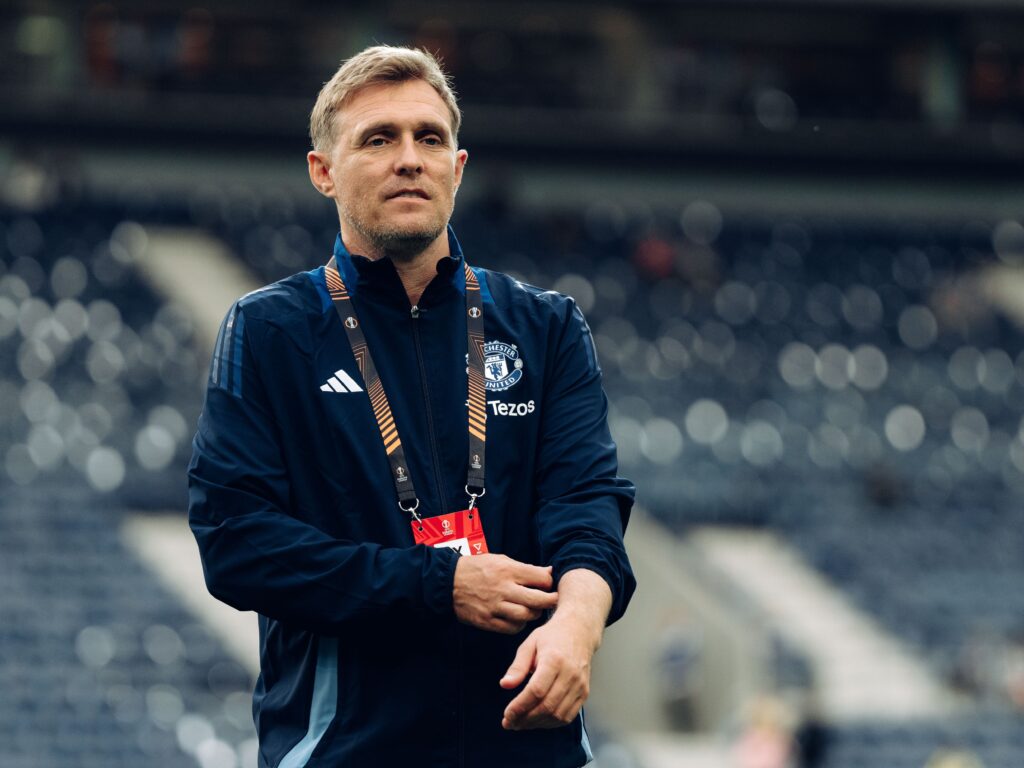
Since returning to Old Trafford in 2020, Fletcher has held numerous coaching and backroom positions, giving him unique insight into the current squad dynamics. His primary role overseeing the Under-18s since the summer provides him with intimate knowledge of the club’s younger players, which could prove invaluable given Man United’s commitment to developing academy talent. Fletcher has also worked closely with the Under-21s, meaning he knows exactly which youngsters might be ready for first-team opportunities.
Perhaps most importantly, Fletcher spoke recently about his philosophy of getting his young teams to play like a “proper United” with fast attacks and wing play. This commitment to traditional Man United values would resonate strongly with supporters who have grown frustrated with tactical experimentation under recent managers. His charismatic personality and status as a club legend could provide the emotional lift the squad desperately needs.
The Case Against Fletcher
The elephant in the room is Fletcher’s lack of managerial experience at senior level. While he has held prominent coaching positions at Man United, his current role in charge of the Under-18s represents his first experience actually leading a team, and he was only appointed to that position last summer. That means he has less than six months of experience as a head coach at any level.
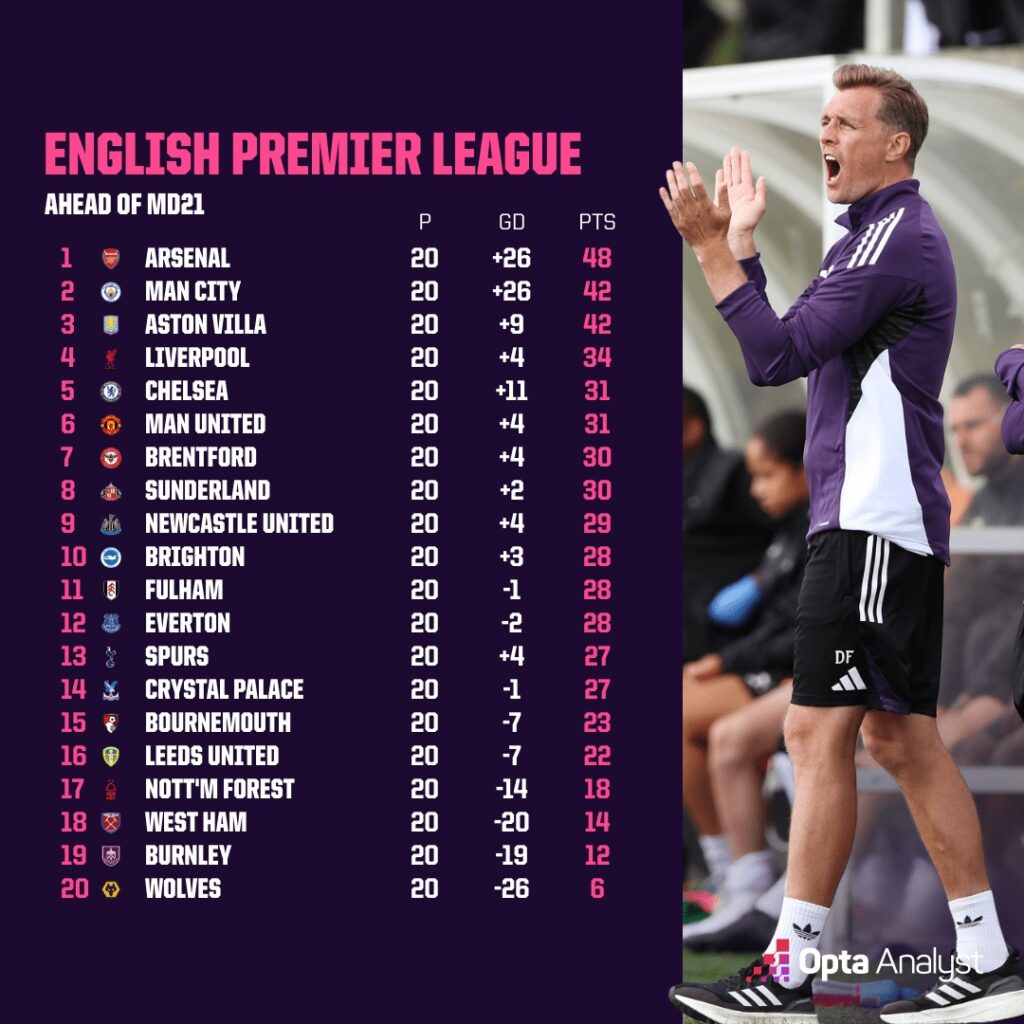
This inexperience becomes particularly problematic when considering what’s at stake. Man United aren’t just playing out a meaningless end to the season; they’re fighting to salvage European qualification and restore some credibility to a campaign that has gone disastrously wrong. The margin for error is minimal, and learning on the job could prove costly for both Fletcher personally and the club’s ambitions.
While Ryan Giggs stepping in for the final games of 2013-14 worked reasonably well, that was a very different situation with nothing left to play for. Fletcher would be walking into a high-pressure environment where every point matters, and his lack of experience in squad rotation, tactical adjustments during matches, and managing big personalities could be exposed quickly.
Ole Gunnar Solskjær: The Proven Interim
The Case For Solskjaer
If Man United want someone who “knows the club” but possesses significantly more experience than Fletcher, Ole Gunnar Solskjær emerges as the obvious candidate. The Norwegian striker is arguably the most beloved figure in modern United history, having scored 126 goals during his playing career, including the dramatic Champions League winner in 1999.
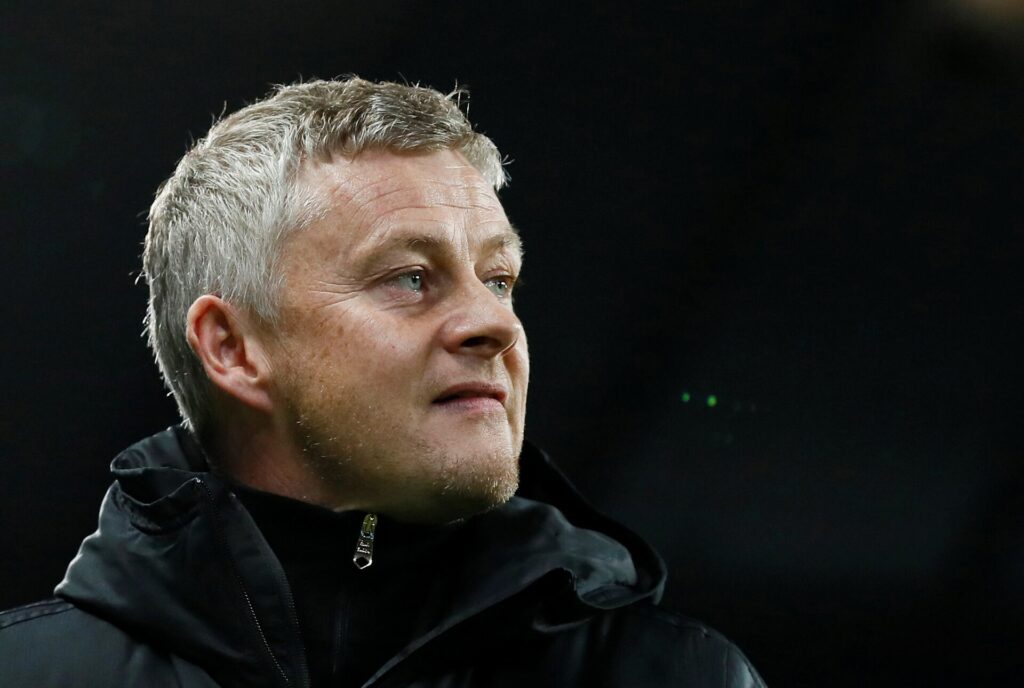
More relevantly, Solskjaer has been in this exact position before. When Jose Mourinho was dismissed in December 2018, the Norwegian was brought in from Molde as interim manager and made an immediate impact. He won each of his first eight games in charge, setting a new club record for successive wins in all competitions. This remarkable start convinced the board to offer him the permanent position, and he went on to finish third in 2019-20 and second in 2020-21.
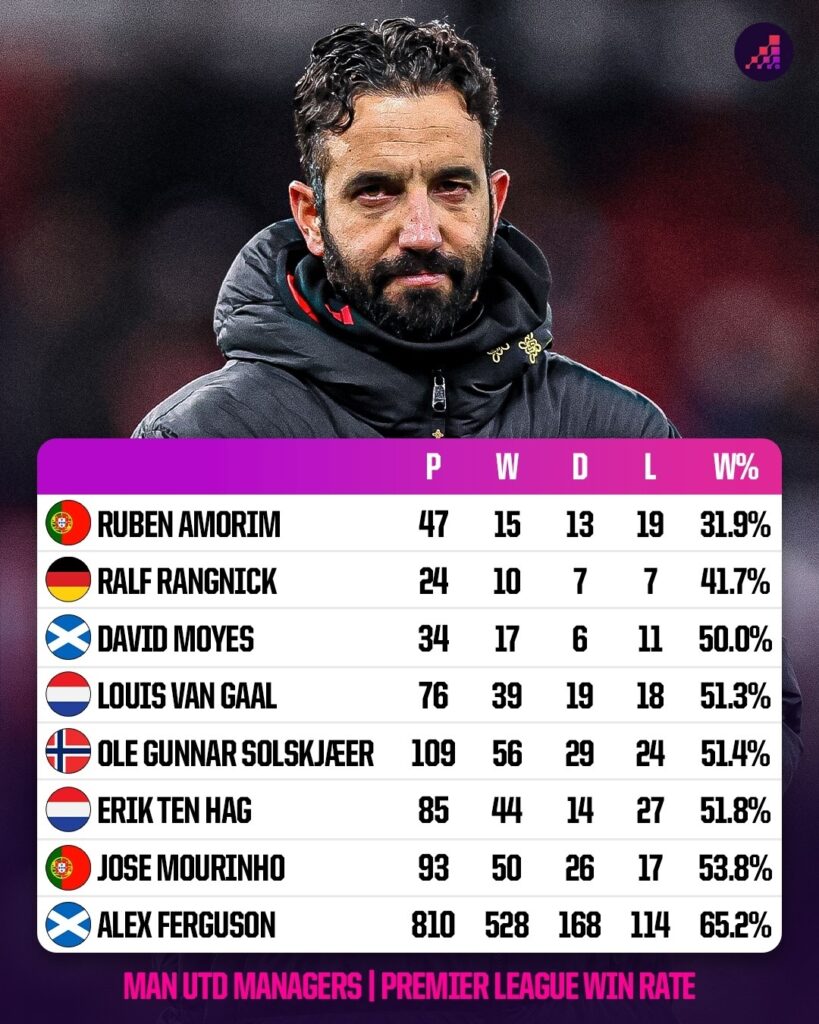
Solskjaer’s Premier League win percentage of 51.4% ranks fourth among all Man United managers, behind only Sir Alex Ferguson (65.2%), Mourinho (53.8%), and Erik ten Hag (51.8%). Significantly, this is considerably better than Amorim’s dismal 31.9% success rate. He was particularly praised for his man-management skills, his willingness to trust young players, and his ability to restore a positive atmosphere around the club.
Reports suggest Solskjaer has told Man United he would be open to returning, which indicates he harbors no ill will about how his first tenure ended. For a club in crisis, bringing back a familiar face who has successfully steadied the ship before could prove the perfect tonic.
The Case Against Solskjaer
The final months of Solskjaer’s reign were deeply troubling. A run of five defeats in seven Premier League matches exposed serious tactical and systemic issues. The manner of some defeats was particularly alarming: a 5-0 thrashing at home to Liverpool, a 6-1 humiliation against Tottenham at Old Trafford, and a 4-1 hammering by Watford that proved to be his final match.
Critics frequently pointed to Solskjaer’s perceived tactical limitations, particularly his reliance on counter-attacking football. The lack of a clear plan B when opponents sat deep became a recurring theme, with some suggesting he lacked the tactical sophistication required at the elite level. While United could be devastating on the break, they often struggled to control matches against well-organized defensive teams.
There’s also the question of whether his earlier success was somewhat inflated by circumstances. A significant portion of his most successful season (2020-21, when United finished second) was played behind closed doors due to the coronavirus pandemic. Some analysts argue that the absence of hostile crowds and intense match-day pressure made it easier for his counter-attacking approach to flourish.
However, context matters. Compared to the disaster of Amorim’s seven-week tenure, one difficult spell at the end of a largely successful three-year period doesn’t seem particularly troubling. Solskjaer may have ultimately fallen short of returning Man United to the summit of English football, but he provided stability and incremental progress during his time in charge.
Michael Carrick: The Middlesbrough Manager
The Case For Carrick
Michael Carrick spent the majority of his illustrious playing career at Man United, making 464 appearances and winning five Premier League titles, a Champions League, and numerous domestic cups. Like Fletcher and Solskjaer, he knows exactly what’s expected at Old Trafford and commands immediate respect from players and supporters alike.
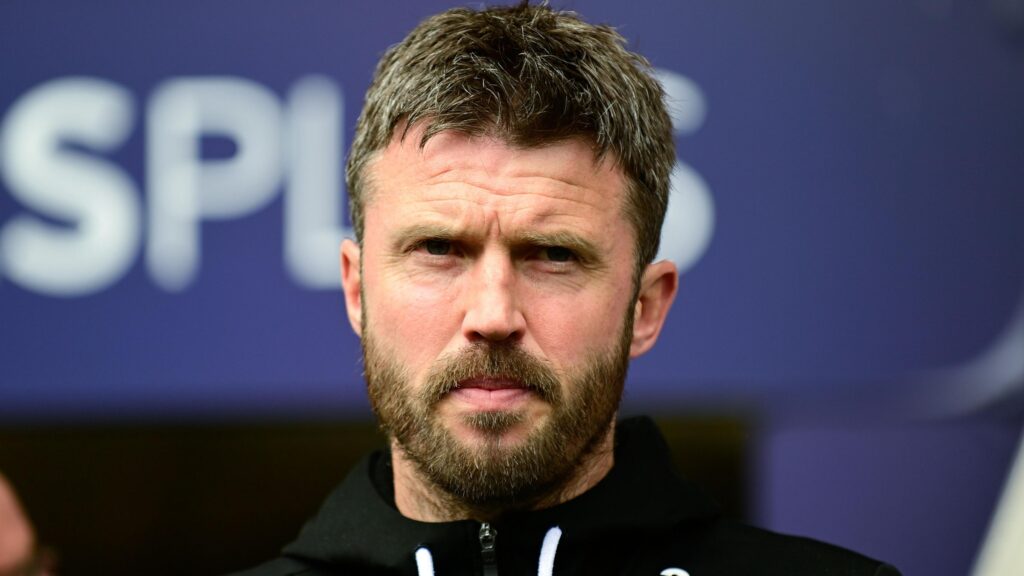
Carrick has more recent and substantial managerial experience than most internal candidates. He briefly served as caretaker manager after Solskjaer’s dismissal in 2021 before spending over two and a half years as Middlesbrough boss. During his time at the Riverside Stadium, Carrick’s teams were frequently praised for playing attractive, possession-based football that drew comparisons to his playing style.
His first full season at Middlesbrough (2022-23) saw the club finish fourth and reach the Championship playoffs, their best campaign since promotion in 2015-16. This demonstrated Carrick’s ability to build a cohesive team and implement a clear tactical identity. He’s available immediately, understands what Man United fans expect, and unlike some more high-profile candidates, an interim position at Old Trafford probably wouldn’t feel beneath him.
Carrick’s experience working as an assistant under both Mourinho and Solskjaer gives him insight into different management styles and tactical approaches. This versatility could prove valuable when trying to stabilize a squad that has been subjected to constant tactical shifts under recent managers.
The Case Against Carrick
While Carrick’s first season at Middlesbrough showed promise, his subsequent two full campaigns were characterized by consistent underperformance relative to expectations. The team was widely criticized for being predictable and easy to play against, with opposition managers apparently finding it straightforward to neutralize Boro’s attacking threat.
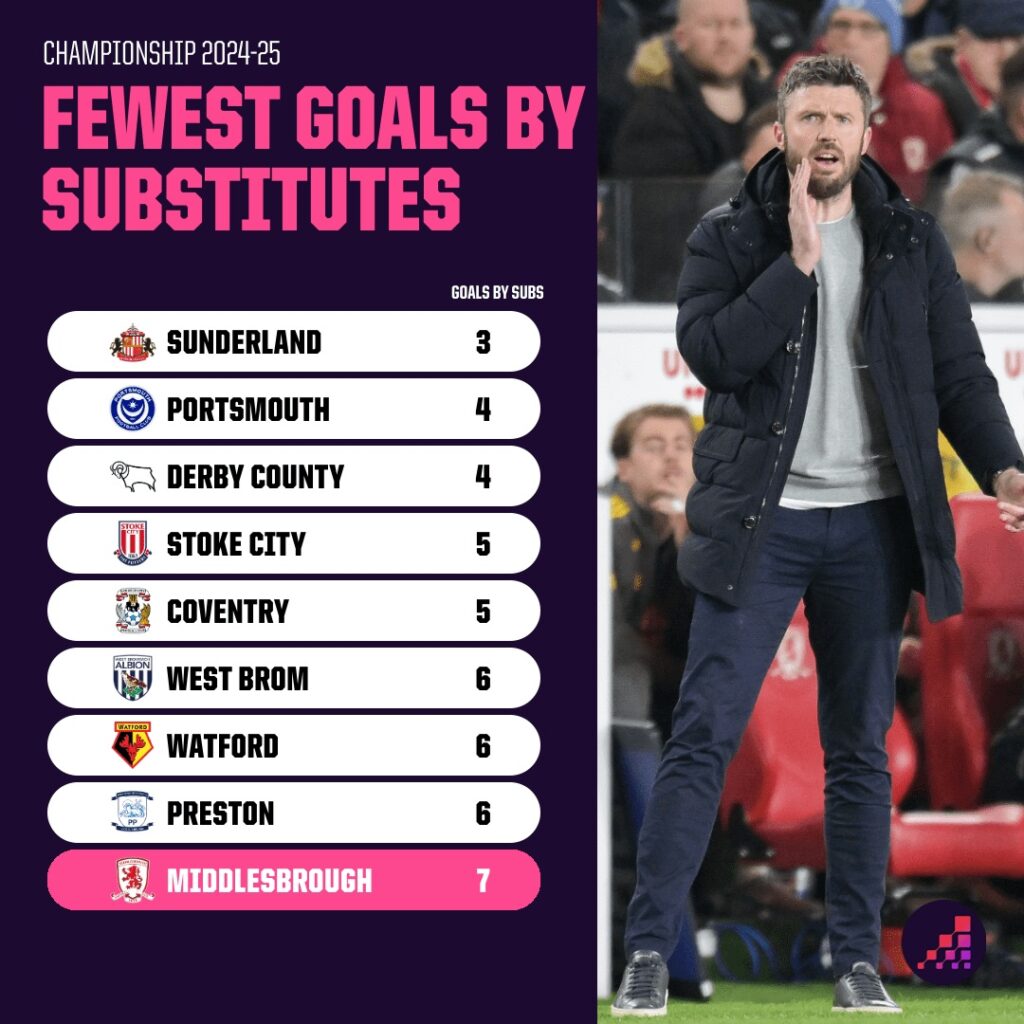
A particular concern was Carrick’s perceived lack of tactical flexibility and inability to make impactful substitutions. Last season, only eight Championship teams scored fewer goals via substitutes than Middlesbrough’s seven, suggesting Carrick struggled with in-game management and squad rotation.
| Championship Teams – Fewest Goals by Substitutes (2024-25) |
|---|
| 1. Luton Town – 4 goals |
| 2. Cardiff City – 5 goals |
| 3. Queens Park Rangers – 5 goals |
| 4-9. Multiple teams including Middlesbrough – 7 goals |
Middlesbrough chairman Steve Gibson’s decision to dismiss Carrick last summer, despite reportedly still holding him in high regard, raises questions about whether he had taken the club as far as he could. Perhaps more tellingly, Middlesbrough are currently flying high in second place under his successor, which some might interpret as evidence that moving on from Carrick was the correct decision.
Travis Binnion: The Development Coach
The Case For Binnion
Travis Binnion is assisting Fletcher for at least the Burnley fixture, which suggests he’s being considered as a potential candidate for the interim role. As head of player development and coaching for players aged 17 to 21, Binnion oversees the Under-21 side, who currently sit second in Premier League 2, just one point behind leaders Ipswich Town with a game in hand.
Binnion possesses more coaching experience than Fletcher, having worked in various roles at Man United since 2019 and in similar positions at Sheffield United dating back to 2010. His longevity at the club means he probably knows the young players better than anyone, having personally coached many of the homegrown talents currently in or around the first team, including Kobbie Mainoo, Toby Collyer, and several others pushing for opportunities.
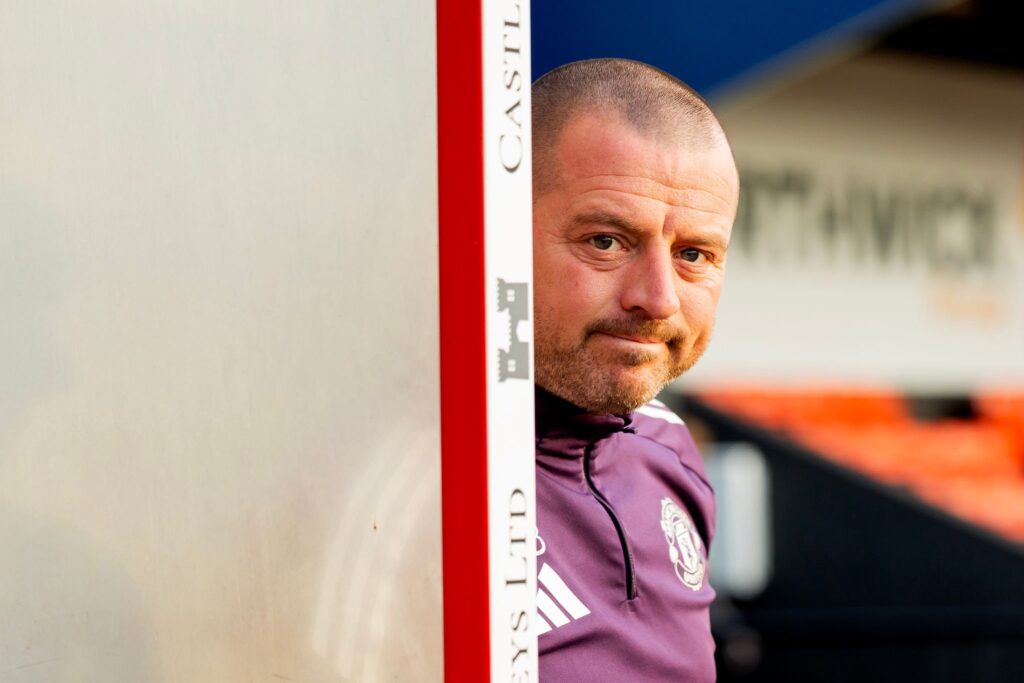
He values “fast, attacking, brave” football and typically employs a 4-2-3-1 formation, which aligns well with traditional Man United principles. There would be no concerns about radical tactical shifts or controversial formation experiments. His deep knowledge of the academy system and obvious rapport with younger players could help him manage the transition of promoting youth when needed.
As someone clearly well-regarded for his work within Man United’s academy structure, Binnion represents a low-risk option who could provide stability for a few months without dramatically altering the team’s approach or dynamics.
The Case Against Binnion
Like Fletcher, Binnion would be a complete rookie at managing a senior team. While his general coaching experience extends back to 2010, all of it relates to youth, academy, or development positions. He has never managed a competitive fixture at senior level, which represents a significant leap from Under-21 football.
The question of authority looms large. Where Fletcher can command respect based on his exceptional playing career at the very highest level, Binnion doesn’t possess the same cachet. Would he have the gravitas to lead a dressing room featuring experienced international players? Could he handle the intense media scrutiny and match-day pressure that comes with managing Man United?
While promoting from within sends a positive message about the club’s commitment to its academy structure, the timing seems problematic. Man United need someone who can hit the ground running and immediately stabilize a deteriorating situation. Binnion would face a steep learning curve at precisely the moment when the club can least afford growing pains.
Gareth Southgate: The International Manager
The Case For Southgate
Gareth Southgate has been linked with Man United for several years, with speculation intensifying during Dan Ashworth’s brief tenure as sporting director. Sir Jim Ratcliffe is also reportedly an admirer of the former England manager, who has been out of work since leading the Three Lions to the Euro 2024 final.
Southgate’s credentials are impressive. He inherited an England team in 2016 that was demoralized and underperforming, facing a disillusioned fanbase and requiring significant cultural change. In many respects, these challenges mirror what Man United currently face. Before Southgate’s appointment, England had reached just one major tournament semi-final since 1966; under his guidance, they reached three semi-finals, including two finals, in four tournaments.
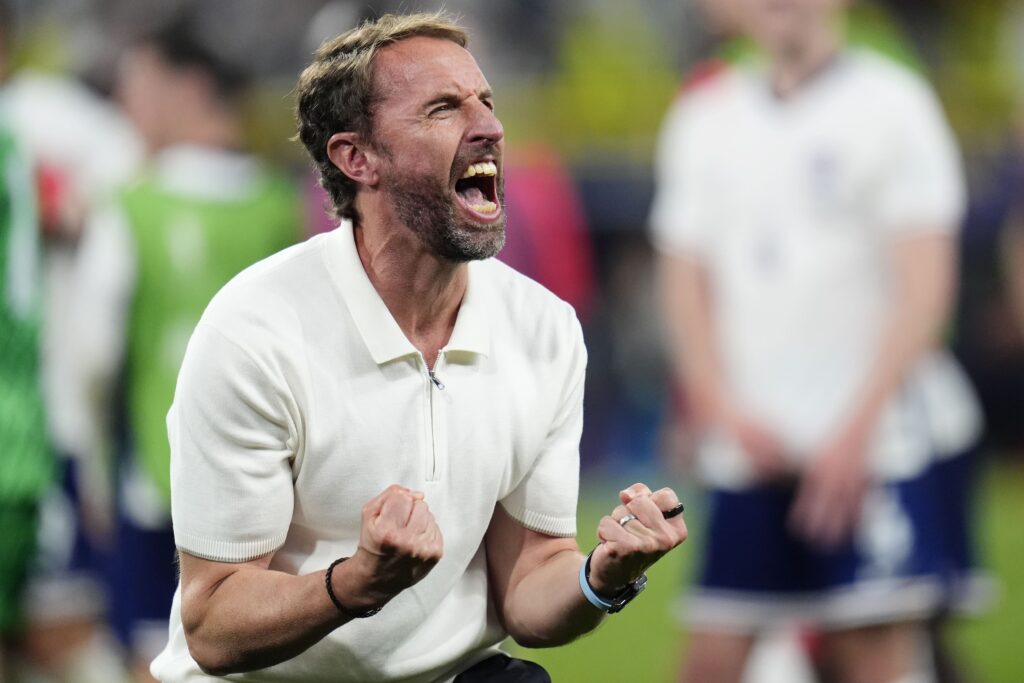
His widely acclaimed man-management skills, calming presence, and willingness to promote young players align perfectly with Man United’s stated values. Southgate created a positive environment with England, restored pride in wearing the national shirt, and demonstrated exceptional leadership during difficult moments. He possesses the emotional intelligence and communication skills needed to heal a fractured dressing room.
The appointment would also generate significant excitement among supporters and potentially attract quality players who enjoyed working with Southgate at international level. His profile and track record of success would lend immediate credibility to Man United’s rebuild.
The Case Against Southgate
One immediate obstacle is that Southgate might feel an interim role is beneath someone of his stature and experience. Having managed England for eight years and reached two major finals, he may well prefer to wait for a permanent position at a top club rather than accept a short-term caretaker role.
Southgate also hasn’t worked in club football since leaving Middlesbrough in 2009 after suffering relegation to the Championship. The daily demands of club management differ significantly from international football, where managers have limited contact time with players and face less intense week-to-week pressure. History is littered with successful international managers who struggled to translate their skills to the club environment.
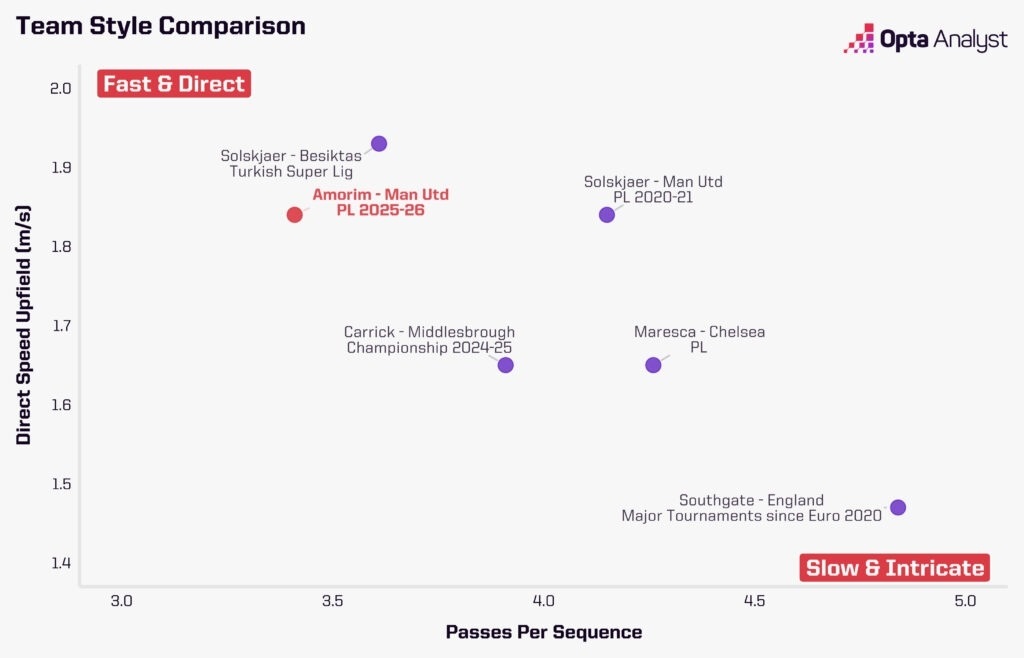
Perhaps the biggest concern relates to style of play. Southgate’s final years with England were marred by supporters criticizing his pragmatic, conservative tactical approach. Despite possessing arguably the most talented English generation in decades, his teams often played cautious, defensive football that frustrated fans expecting more ambition and entertainment.
| Playing Style Comparison |
|---|
| Southgate’s England: Slower build-up, defensive stability prioritized |
| Potential United Alternative: Fast transitions, attacking emphasis |
How long would Man United supporters tolerate Southgate’s typically cautious approach, particularly if results don’t improve dramatically? The Old Trafford faithful demand attacking football played at pace, and Southgate’s methodical style might prove an uncomfortable fit with the club’s traditions.
Enzo Maresca: The Chelsea Casualty
The Case For Maresca
Enzo Maresca’s availability following his surprise dismissal from Chelsea makes him perhaps the most intriguing candidate on this list. The Italian coach has experience managing at the highest level and generally performed well in his roles. He secured promotion with Leicester City from the Championship before leading Chelsea to fourth place and two trophies in his only full season at Stamford Bridge.
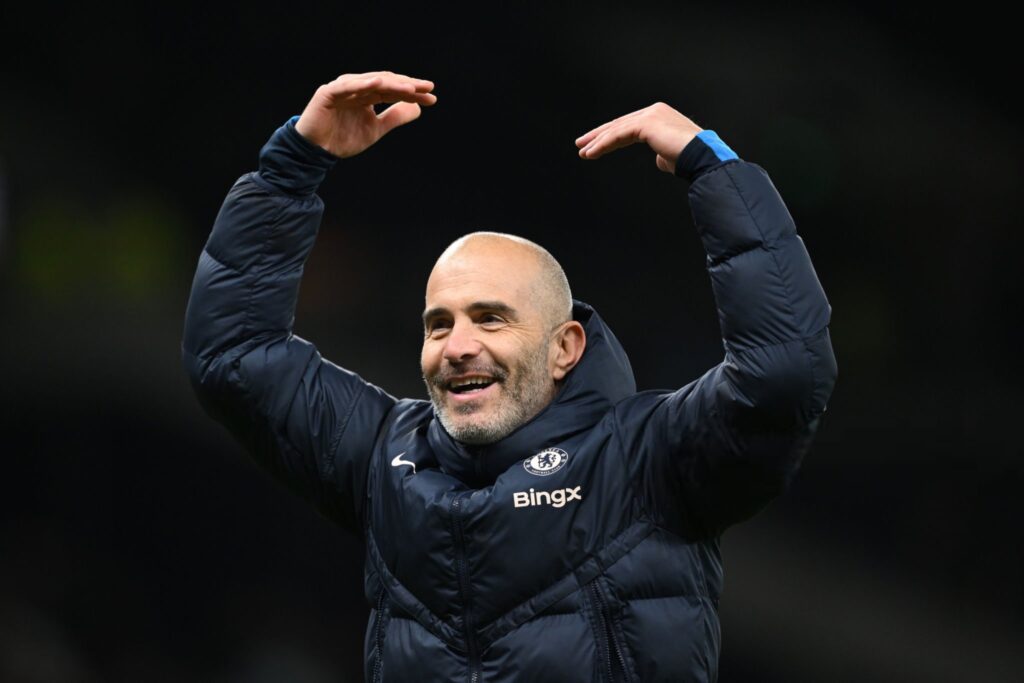
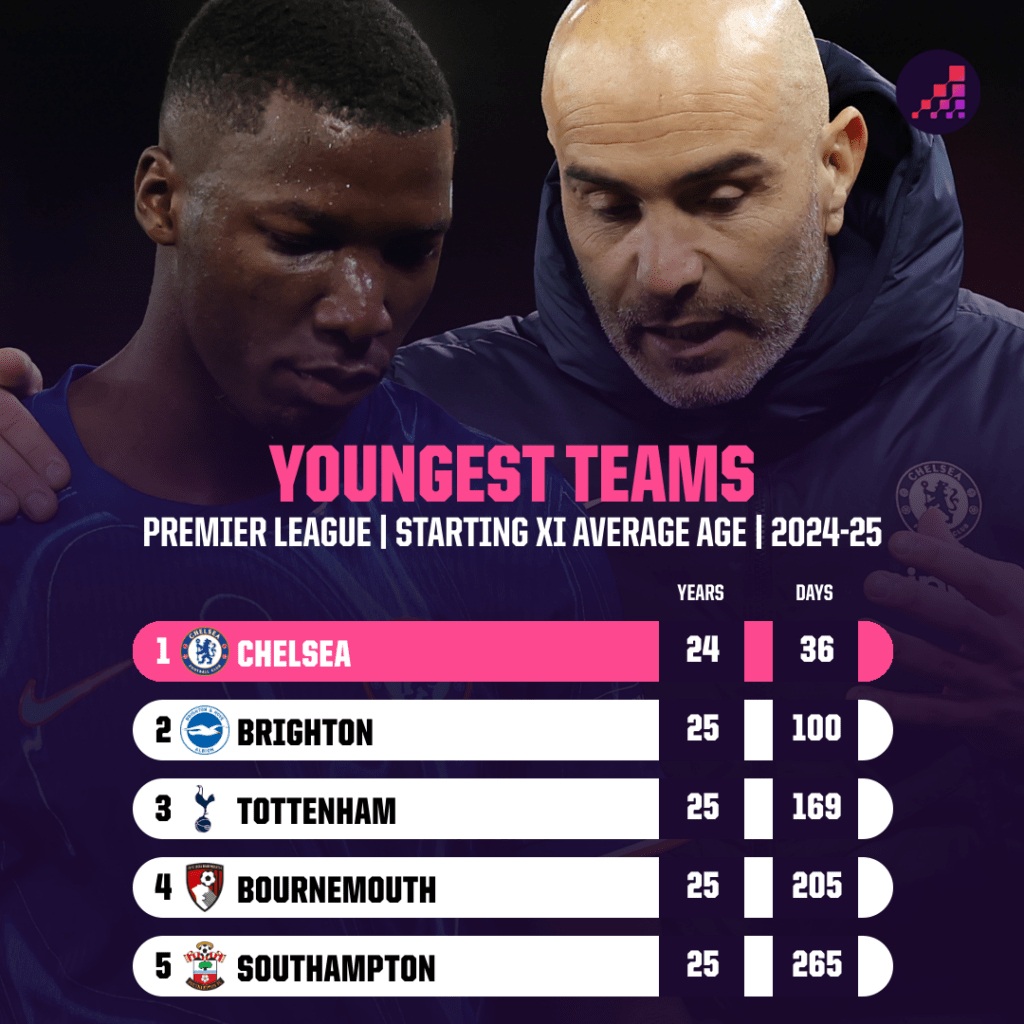
Maresca’s Chelsea side were the youngest team in the Premier League with an average starting XI age of just 24 years and 36 days, demonstrating his ability to work effectively with young players. This experience would prove invaluable at Man United, where integrating academy prospects into the first team remains a priority. His track record suggests he can accelerate the development of young talent while maintaining competitive standards.
| Youngest Starting XIs – Premier League 2025-26 |
|---|
| 1. Chelsea – 24 years, 36 days |
| 2. Brighton – 24 years, 298 days |
| 3. Fulham – 25 years, 89 days |
Tactically, Maresca typically employs a back four with wingers and encourages high pressing, which aligns well with traditional Man United principles. His time working closely with Pep Guardiola at Manchester City provides a philosophical link to current United director of football Jason Wilcox and CEO Omar Berrada, both of whom were employed by City during Maresca’s tenure there.
The Italian’s coaching credentials and relatively recent success at the highest level make him an attractive option for a club desperate to stabilize quickly and compete for Champions League qualification.
The Case Against Maresca
The timing of Maresca’s availability raises immediate concerns. His departure from Chelsea came just four days after Amorim’s dismissal from Man United, and both exits reportedly stemmed from deteriorating relationships with their respective hierarchies. Amorim’s public challenges to United’s board proved his undoing, while Maresca’s downfall apparently resulted from demands for greater control over Chelsea’s operations.
Given how quickly the situation unraveled with Amorim, would Man United really want to take another gamble on a potentially volatile character? Maresca’s apparent flirtations with Manchester City in December didn’t help his relationship with Chelsea’s ownership, suggesting he might not be fully committed to any role unless it meets his specific demands.
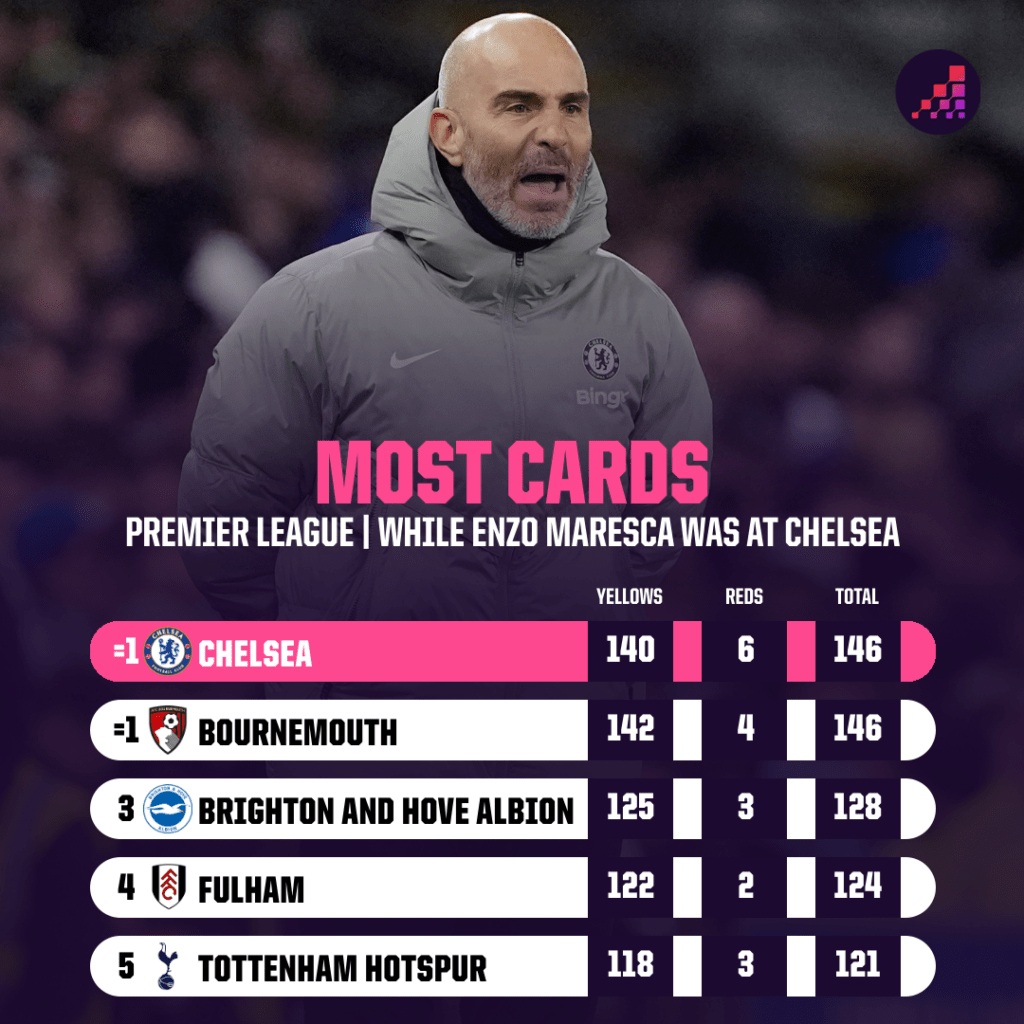
Discipline issues also plagued Maresca’s Chelsea. His teams accumulated 140 yellow cards (second most in the Premier League) and six red cards (joint most), while he personally received nine cards since the start of 2024-25, more than any other manager. This lack of control could prove problematic at a club already struggling with consistency and professionalism.
| Premier League Disciplinary Records Under Recent Managers |
|---|
| Team Cards: Chelsea (140 yellows, 6 reds) – 2nd most yellows, joint-most reds |
| Manager Cards: Maresca (9 cards) – Most among all Premier League managers |
There’s also no guarantee Maresca would want the United job, even on a permanent basis. With Pep Guardiola considering leaving Manchester City in the summer and the Italian reportedly high on their list of replacements, he might prefer to wait a few months rather than jump into another challenging situation immediately.
What’s at Stake for Man United
The decision facing Man United’s hierarchy extends far beyond simply finding someone to manage the next few months. How the club finishes this season will directly impact their ability to attract top managerial candidates in the summer and determine whether they can convince elite players to join a rebuilding project.
Currently sitting 13th in the Premier League with 23 points from 20 matches, Man United face a genuine battle to secure European qualification. The top four appears increasingly out of reach, but Europa League or Conference League qualification remains achievable with a strong finish. Missing out on European football entirely would represent both a financial blow and a significant setback to the club’s prestige.
Beyond results, the interim appointment must begin repairing the damage done to squad morale and dressing room unity. Multiple reports have suggested player dissatisfaction with Amorim’s methods and communication, creating an atmosphere of dysfunction that needs immediate attention. The right interim manager could restore confidence, re-establish professional standards, and create a foundation for long-term success.
Perhaps most critically, this appointment will signal to the football world what direction Man United intend to take. Choosing someone like Southgate or Maresca would suggest ambition and a willingness to invest in proven coaching talent. Opting for Solskjaer would indicate a desire to reconnect with the club’s traditions and restore familiar values. Selecting Fletcher or Binnion would represent a statement of faith in the academy system and internal development.
The coming days will reveal whether Man United’s leadership possesses the wisdom and decisiveness needed to navigate this latest crisis. One thing remains certain: with the club’s reputation already battered by years of mismanagement and underperformance, they cannot afford to get this decision wrong.
Read More: Real Madrid vs Atletico Madrid Preview: Spanish Super Cup Semi-Final Showdown