Glenn McGrath built his fast-bowling method around three measurable weapons: accuracy, bounce and seam movement. The coaching challenge is to reproduce his decision-making, not simply copy his action, especially in West Indies conditions.
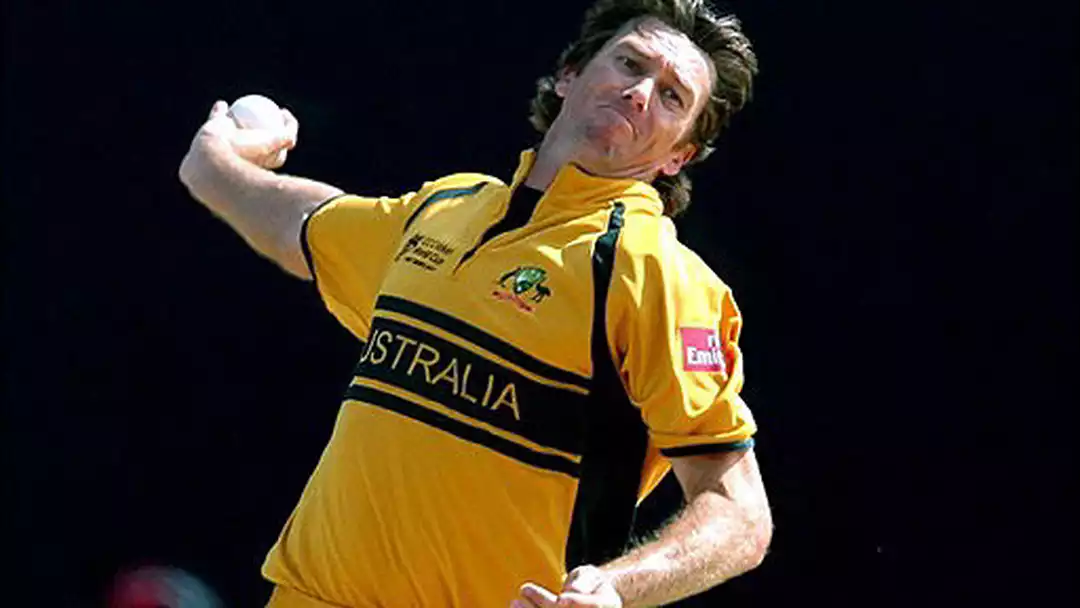
Overview: The physical foundation of McGrath’s method
The first lesson starts with McGrath’s 195 cm frame. His height and high arm action helped him create bounce without depending entirely on extreme pace. That distinction matters to coaches because his bounce came from repeatable release positions, not from forcing every delivery at maximum effort; McGrath identified three strengths in his own bowling: landing the ball accurately, generating bounce and finding seam movement.
Key details: McGrath’s bowling areas and control
McGrath’s stated target was off stump or just outside it, with the ball hitting the deck around the top of off stump. That area gives a fast bowler access to both edges while limiting the batter’s freedom to leave or attack. It also gives coaches a clear way to measure control in training.
His idea of accuracy went beyond repeating one spot. McGrath stressed delivering the ball that suited the situation, so coaches should check whether the batter is driving well, whether the pitch offers seam and whether the bounce remains consistent before selecting a precise line and length. That approach makes practice a decision-making exercise: a bowler can start around the top of off stump, then change the landing point when conditions or the batter’s movement call for it, while the goal remains pressure rather than mechanical repetition.
Coaching development: From action to tactical pressure
As McGrath’s coaching work developed, it moved beyond the delivery stride. His approach combined run-up and action work with plans for bowling areas, building pressure and outthinking batters. That sequence helps coaches connect technical correction with match purpose.
The run-up should prepare the bowler for a balanced release, while the action must let pace and control work together. McGrath advised fast bowlers to improve control without giving up their natural speed, so coaches shouldn’t turn accuracy drills into slower-bowling exercises that remove the player’s main threat. The tactical layer follows: a bowler needs a plan for the batter, a preferred area and a response when the first plan fails; that’s where McGrath’s model differs from a simple line-and-length prescription, because the area starts the process while the conditions guide the next adjustment. For more detail, see BBC Sport Cricket.
West Indies conditions: Applying the method today
McGrath advised bowlers to assess bounce and seam before settling on their plans. That principle helps when coaches prepare players for unfamiliar surfaces, since the same length can produce different results depending on carry and movement. The method can sit alongside wider discussions of West Indies: T20I planning, but the technical lesson remains universal.
Coaches should study the pitch, test the carry and then decide whether the top-of-off target needs a small adjustment. The same framework also fits naturally with Team West Indies preparation and wider pace-bowling development. A bowler who understands the conditions can keep a natural action while changing the delivery plan; modern coaching groups can build sessions around three questions: where did the ball land, what did the surface do and how did the batter respond? That process keeps technique tied to evidence, while leaving room for each bowler’s height, pace and movement instead of forcing everyone into McGrath’s exact shape. For more detail, see BBC Sport.
What fast-bowling coaches should take forward
McGrath’s legacy isn’t one ideal action. It’s a process built on a controlled run-up, a repeatable release, a disciplined target and constant assessment of conditions. His 195 cm height and high arm action shaped his bounce, but coaches can adapt those principles for shorter or faster bowlers.
The forward-looking lesson is clear: teach accuracy as intelligent execution. Coaches who pair technical stability with changing plans can help bowlers build pressure, protect their bodies and keep their natural pace. For fast-bowling programmes, that thinking can also inform work linked to Smriti Mandhana Team environments, where adaptable bowling plans matter across formats. McGrath’s enduring lesson is simple: control the action, read the pitch and make every ball serve a plan.
FAQs
What made McGrath’s technique effective?
His 195 cm height, high arm action, accuracy, bounce and use of seam movement worked together to create sustained pressure.
Where did McGrath aim to bowl?
He aimed for off stump or just outside it, with the ball striking the pitch around the top of off stump.
Did McGrath prioritise accuracy over pace?
He encouraged bowlers to improve control without sacrificing their natural pace.
How should coaches apply his method?
Coaches should combine run-up and action work with bowling-area plans, condition checks and tactical responses to the batter.
Was this article helpful?
Your feedback directly improves future articles on this site.