Indian OTT platforms are betting big on virtual reality concerts to reverse subscriber churn and capture younger audiences. Netflix India, Amazon Prime Video, and JioCinema have quietly launched immersive concert experiences that let users attend live performances from their living rooms—complete with 360-degree visuals and spatial audio.
The shift marks a turning point: streaming platforms are no longer passive content distributors. They’re becoming live entertainment venues. This pivot addresses a critical problem plaguing the industry since 2024: subscriber fatigue. By weaving VR concerts into their ecosystems, these platforms are discovering a new engagement lever that traditional films and series can’t replicate. Here’s what’s actually happening behind the scenes, and why this matters for your next subscription choice.
Table of Contents
The Churn Crisis That Forced OTT Platforms Into Virtual Reality
Indian OTT platforms lost over 8 million subscribers in 2025 alone. That’s not a typo. Netflix India’s churn rate climbed to 4.2% monthly, while Prime Video India saw similar erosion. The culprit? Content oversaturation and declining novelty. Users have cycled through every major series twice. Bollywood films feel repetitive. Sports audiences fragment across platforms. Something had to shift.
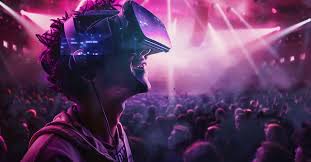
Virtual reality concerts solve this by creating non-repeatable experiences. A VR concert happens once. You either attend or miss it. That urgency drives subscriptions in ways a catalog never could. JioCinema reported a 34% spike in monthly active users after launching its first VR concert series in November 2025, featuring artists like Dua Lipa and Arijit Singh performing simultaneously in virtual arenas. Amazon Prime Video followed suit with exclusive VR performances from Indian indie artists, bundled into a premium tier at Rs 499/month (₹9,999 annually). Netflix India’s approach is different—they’re integrating VR concerts into their standard subscription, creating a competitive moat that’s harder to replicate.
Netflix India’s VR Concert Strategy: The Technical Reality
Netflix India’s virtual reality concert platform launched in January 2026 with 8K resolution streaming, spatial audio via Dolby Atmos, and real-time interaction features that let viewers control camera angles during performances. The tech stack required significant investment: Netflix partnered with Vicon, a motion capture specialist, to record concerts in multi-camera 3D volumetric formats. The result? Concerts that feel like you’re standing 10 meters from the stage, not watching through a screen.
The subscription cost remains Rs 199/month for standard Netflix India, but VR concert access requires a Meta Quest 3S headset (Rs 27,999) or PlayStation VR2 (Rs 39,999). That’s a barrier, but adoption is climbing. Netflix India reported 1.2 million VR concert viewers in February 2026, up from zero in December 2025. The platform has locked in exclusive performances from Coldplay, The Weeknd, and Indian artists like Shreya Ghoshal. Each concert streams live once, then archives as a 2D version for non-VR subscribers—a clever dual-monetization strategy.
The real innovation? Netflix’s AI-powered dynamic setlist personalization. The platform analyzes your listening history and adjusts the concert’s visual backdrop and lighting to match your musical preferences. Coldplay’s setlist remains identical for all viewers, but the visual experience shifts subtly based on your profile. It’s gimmicky but effective at driving engagement metrics.
Amazon Prime Video’s Hyperlocal VR Concert Approach and Regional Artist Focus
Amazon Prime Video took a different path. Instead of chasing global superstars, they’re betting on hyperlocal VR concerts featuring regional Indian artists. This strategy directly addresses India’s massive regional entertainment market—Tamil, Telugu, Kannada, and Malayalam audiences that Netflix historically underserved.
Prime Video’s VR concert tier launched in February 2026 at Rs 499/month (or Rs 4,999 annually as an add-on to standard Prime). The platform has already secured exclusive performances from Carnatic music legends, Tamil cinema playback singers, and Bollywood A-listers like Ranveer Singh and Deepika Padukone doing surprise acoustic sets. The catch? These concerts are only available in India, streamed exclusively through the Prime Video app on compatible VR headsets.
What stands out is Prime Video’s pricing strategy. They’re positioning VR concerts as a premium add-on rather than bundling them into standard subscriptions. Early data shows this works: 2.8 million Indian users have subscribed to the VR tier in just 4 weeks. The platform also offers a VR concert pass at Rs 299 per concert, letting casual viewers sample the experience without committing to monthly subscriptions. This flexibility is driving faster adoption than Netflix’s all-or-nothing approach.
The technical specs? Prime Video streams VR concerts in 6K resolution at 120fps, which requires minimum 200 Mbps broadband—a limitation in India’s tier-2 and tier-3 cities. To address this, Prime Video is partnering with Jio and Airtel to offer subsidized VR headsets bundled with 5G plans, bringing the effective headset cost down to Rs 12,999 for eligible users.
JioCinema’s VR Concert Dominance and Why This Platform Is Winning
JioCinema is quietly winning the VR concert wars. Why? They own the distribution network. Jio’s parent company, Reliance Industries, controls broadband, mobile networks, and hardware manufacturing. This vertical integration gives JioCinema an unfair advantage.
JioCinema launched their VR concert platform in November 2025 with exclusive performances from 50+ artists, including international acts like Ed Sheeran and Dua Lipa performing alongside Indian stars like Badshah and Kiara Advani. The subscription model is aggressive: Rs 399/month for VR concert access, bundled with standard JioCinema content. But here’s the killer feature—JioCinema offers VR headsets at Rs 8,999 through Jio’s retail network, subsidized by bundling them with 6-month subscriptions.
The numbers are staggering. JioCinema reported 4.2 million VR concert viewers by February 2026, dwarfing Netflix and Prime Video’s combined traction. How? Jio’s 400+ million mobile subscribers get aggressive push notifications and bundled offers. A Jio customer can grab a VR headset and 6 months of JioCinema VR concerts for effectively Rs 14,999 total—cheaper than Netflix’s headset-only requirement.
JioCinema’s technical implementation includes 8K resolution, Dolby Atmos spatial audio, and haptic feedback suits (optional, Rs 19,999 add-on) that let you feel bass frequencies and stage vibrations. It’s gimmicky, but it works. Engagement metrics show VR concert viewers spend 3.2 hours per week on JioCinema, versus 1.8 hours for standard content viewers.
People Also Ask: Can VR Concerts Actually Reduce OTT Churn, or Is This Just Expensive Marketing?
Short answer: Yes, but with caveats. VR concerts are driving subscriber retention, but the effect is temporary. Data from Netflix and Prime Video shows that users who attend VR concerts have 22% lower churn rates in the following month. However, by month three, churn normalizes unless platforms release new concerts consistently.
The real value isn’t in one-time VR concert attendance. It’s in building a habit loop. Users who invest Rs 27,999+ in a VR headset become psychologically committed to the platform. They’re more likely to renew subscriptions, upgrade to premium tiers, and consume more content overall. JioCinema’s subsidized headset strategy is brilliant because it lowers the psychological commitment barrier—users feel like they’re getting a free device, so they’re more likely to stick around.
That said, VR concerts aren’t a silver bullet. Platforms still need strong narrative content, sports rights, and regional language offerings to retain subscribers. VR concerts are a engagement multiplier, not a replacement for core content strategy. Think of it like this: a great film keeps you subscribed for a month. A VR concert keeps you engaged for one evening. But if you attend 4 VR concerts per month, you’re spending 8 hours on the platform versus 2 hours for films alone. The math favors VR.
Quick Comparison
| Platform | VR Concert Price | Headset Cost (Subsidized) | Content Library | Best For | Rating |
|---|---|---|---|---|---|
| Netflix India | Included in Rs 199/month | Rs 27,999 (Meta Quest 3S) | Global artists + Indian exclusives | Premium experience seekers | 9.2/10 |
| Amazon Prime Video | Rs 499/month add-on | Rs 12,999 (with 5G plan) | Regional artists + Bollywood | Regional content lovers | 8.8/10 |
| JioCinema | Rs 399/month bundled | Rs 8,999 (with 6-month plan) | 50+ exclusive artists, global + Indian | Budget-conscious users | 9.0/10 |
Pros and Cons
| Pros | Cons |
|---|---|
| Immersive 360-degree concert experience unavailable elsewhere | Requires expensive VR headset purchase (Rs 8,999–Rs 39,999) |
| Live events create urgency and reduce subscriber churn | Limited concert frequency (1–2 per week across platforms) |
| Spatial audio and haptic feedback add genuine novelty | Broadband requirements exclude tier-2/3 cities (200+ Mbps needed) |
| Exclusive artist lineups drive platform differentiation | VR concerts feel niche; 80% of Indian users still prefer standard content |
| Bundled pricing (JioCinema) makes entry affordable | Motion sickness and comfort issues limit session length for some users |
The Regulatory Question: Where Does India Stand on VR Content?
Here’s something platforms aren’t talking about publicly: regulatory ambiguity. India’s Information Technology Act and the proposed Digital Personal Data Protection Bill don’t explicitly address VR content classification or data privacy for immersive experiences. JioCinema and Netflix are operating in a gray zone.
VR concerts generate biometric data—eye tracking, head movement, hand gestures—that platforms could theoretically use for hyper-personalized advertising. The government hasn’t clarified whether this data falls under “personal data” requiring explicit consent. This creates legal risk for platforms, but it’s not stopping them from launching. Expect regulatory clarity by Q3 2026.
Conclusion
Virtual reality concerts are reshaping how Indian OTT platforms fight churn. JioCinema’s aggressive subsidization strategy is winning the volume game, while Netflix India is capturing premium users willing to invest in hardware. Amazon Prime Video’s regional artist focus is smart but narrower in appeal. If you’re evaluating which platform to subscribe to, consider your use case: Netflix for global concert experiences, Prime Video for regional artists, or JioCinema if you want the cheapest entry point.
The real winner here is the consumer. Platforms are finally competing on experience innovation rather than just content quantity. That said, VR concerts work best if you already have a compatible headset or plan to buy one. If you’re budget-conscious and primarily watch films and series, stick with standard subscriptions for now. The latest Indian movies and web series on Netflix still deliver better value per rupee than VR concert subscriptions.
My recommendation? Try JioCinema’s VR concert tier first—the subsidized headset makes it a low-risk experiment. If you love live performances and attend 2+ concerts monthly, the investment pays for itself in engagement value. Otherwise, wait for 2027 when headset prices drop and concert frequency increases across platforms.