
 NAM321/6 (50 ov)
 IRE
 AVL
 MNC
 RAY
 ELC
 GMB
 ZMB
 NGA
 LES
 CAG
 BOL
 COMO
 SAS
 FCA
 FCU
 KOE
 S04
 MOZ19
 UGA23/0 (0.5/20 ov, target 20)
 NZ180/5
 IND181/6 (19.5/20 ov, target 181)
 Ipswich1
 Nottm Forest1
 Alavés1
 Málaga1
 WA105/3 (18.5/50 ov, target 372)
 NSW371/8
 DEN
 KUW
 KENYA
 QAT
 SWD-W
 EPR-W
 TTN-W
 WPR-W
 BOR
 WAR15/1 (2.5/20 ov)
 LIONS
 Limpo21/1 (2.5/20 ov)
 NZ-A135/3 (41 ov)
 IND-A113
 DHA293/3 (84.1 ov)
 RAJ
 MYMS
 CHATT
 RAN320/5 (80 ov)
 BAR
 MEX-W
 ARG-W
 UAE
 NED
 PAK
 ENG
 IND-W
 ZIM-W
 AFG170/3 (34.3/50 ov, target 170)
 ZIM169
 CHE0
 DYI0
 CHO1
 QIN0
 HEN1
 BEI0
 LIA1
 ZHE0
 QWC1
 YUN0
 SHX0
 Shanghai Shenh0
 TIG0
 SHP0
 WTT1
 SHT3
 M05
 SVW
 RBL
 ELV
 Torino3
 Monza2
 Brest1
 Nice2
 Stuttgart2
 Gladbach3
 Al Ahli4
 Al Khaleej1
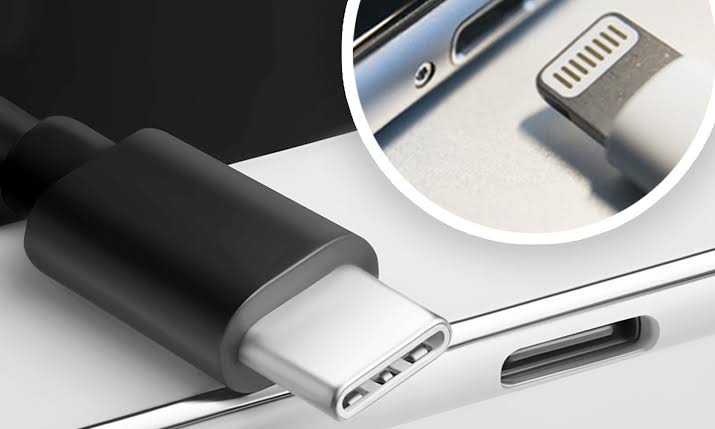
The European Parliament voted overwhelmingly by a margin of 602 to 13 to approve the universal charger directive in October 2022. This legislative milestone pushed the industry toward a single physical interface, culminating when Apple officially transitioned its iPhone lineup to USB-C starting with the iPhone 15 series, which was announced and launched in September 2023. What began with a reversible connector specification has evolved into a major standard for charging and data transfer.
The EU USB-C Charging Mandate
Breaking Down the Vote Margin
The European Union formally adopted legislation requiring a common charging port, specifically USB-C, for all mobile phones, tablets, and cameras sold in the EU by the end of 2024. This regulation dismantled proprietary legacy connectors across the continent, compelling manufacturers to align their production lines.
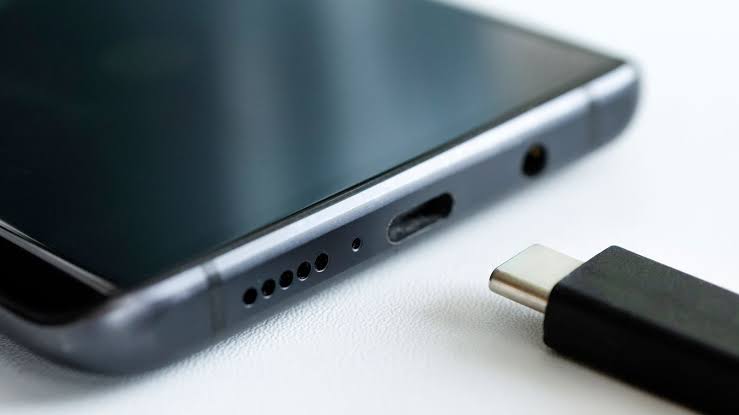
Buyers can now rely on USB-C charging compatibility across devices purchased within the bloc, reducing the need to hunt for specialized cords. The mandate accelerated adoption timelines for legacy brands that delayed switching their supply chains. Regulatory pressure ultimately proved more effective than voluntary corporate pledges.
The USB Power Delivery 3.1 Leap
Understanding the Wattage Increase
The USB Power Delivery (USB PD) 3.1 specification, released in May 2021, expanded the power delivery capabilities of USB-C up to 240 watts (48V at 5A). This capability transformed the connector from a simple charging conduit into a high-performance power bus capable of sustaining heavy computational workloads.
Laptops, monitors, and peripherals can now draw substantial energy through a single cable without demanding separate power bricks. Engineers designed the 48-volt architecture to minimize current loss over longer cable runs. Users can experience faster charging cycles while reducing electronic waste from redundant adapters.
The USB4 Data Transfer Evolution
Maximizing Bandwidth Potential
The USB4 specification, which relies exclusively on the USB-C connector, was published by the USB Implementers Forum (USB-IF) in August 2019, offering data transfer speeds up to 40 Gbps. This protocol reportedly unified Peripheral Component Interconnect Express (PCIe) tunneling and DisplayPort signals under one physical interface, streamlining workstation setups.
External storage arrays and high-resolution displays can communicate through the same port used for daily charging. The bandwidth ceiling reportedly supports multiple peripheral connections simultaneously without performance degradation. Developers benefit from reduced cable clutter on desks while maintaining high throughput.
| Specification | Year Released | Maximum Capability | Primary Use Case |
|---|---|---|---|
| USB PD 3.1 | May 2021 | 240 Watts | High-power laptop charging |
| USB4 | August 2019 | 40 Gbps | External storage and displays |
| Type-C 1.0 | August 2014 | Reversible Plug | Universal physical connector |
The Decade-Long USB-C Market Transition
Evaluating the Decade-Long Transition
The initial USB-C specification, known as USB Type-C Cable and Connector Specification 1.0, was finalized and released by the USB Implementers Forum (USB-IF) in August 2014. It took nearly a decade for the ecosystem to fully mature around this foundational release. Early adopters faced limited peripheral support, but infrastructure investments reportedly helped close the gap.
The transition required manufacturers to redesign internal layouts and update accessory lineups. Buyers comparing the old Lightning design against the new USB-C standard reportedly noted improvements in reversible plug usability and thermal dissipation. Accessory costs reportedly dropped significantly, with certified cables expected to be available for under ₹500 in Indian retail markets. Consumers adapting to USB-C charging reportedly noticed improved device longevity due to standardized replacement parts.
What Happens Next for USB-C Adoption?
Projecting Future Connectivity Trends
The convergence of legislative force and technical capability is expected to help USB-C remain a widely used interface for the foreseeable future. Peripheral manufacturers continue optimizing cables to handle higher wattages without excessive heat buildup.
Cross-border travel can simplify as travelers pack fewer dedicated chargers for different device types. Future iterations may focus on wireless power integration alongside wired protocols to further reduce physical tethering. The physical port now anchors much of the connectivity landscape, potentially setting the baseline for upcoming hardware releases.
FAQs
When did the European Parliament vote for the universal charger rule?
The European Parliament voted overwhelmingly by a margin of 602 to 13 to approve the universal charger directive in October 2022.
What is the maximum power output supported by modern USB-C cables?
The USB Power Delivery (USB PD) 3.1 specification, released in May 2021, expanded the power delivery capabilities of USB-C up to 240 watts (48V at 5A).
Which Apple product line first switched to the USB-C port?
Apple officially transitioned its iPhone lineup to USB-C starting with the iPhone 15 series, which was announced and launched in September 2023.
How fast can USB4 transfer data compared to older standards?
The USB4 specification, published in August 2019, offers data transfer speeds up to 40 Gbps.
What does USB Type-C 1.0 represent in the connector timeline?
The initial USB-C specification, known as USB Type-C Cable and Connector Specification 1.0, was finalized and released by the USB Implementers Forum (USB-IF) in August 2014. This specification marked the beginning of the USB-C era, enabling a universal connector for various devices.
Was this article helpful?
Your feedback directly improves future articles on this site.