WI-A
 LIONS
 LEC1
 GEN2
 ELC0
 VAL0
 ACV0
 RAFC1
 MAR0
 CDSC1
 JUV
 NAP
 OLM
 TOU
 ATH
 RSO
 NED
 OMA
 Sassuolo
 Fiorentina
 Atalanta
 Parma
 Lorient
 Brest
 Newcastle
 Everton
 LIV0
 ARS1
 SGE3
 HSV1
 LYON2
 ANG0
 PAR3
 MON1
 NZ-A218/3 (62 ov)
 IND-A346
 QLD202/5 (71 ov)
 VIC307
 SYL218 & 89/2 (38 ov)
 CHATT210
 MYMS108 & 57/2 (14 ov) (f/o)
 KHU288
 DHA
 BAR
 RAN122/3 (39 ov)
 RAJ231
 MS-W
 PS-W
 MOW
 BRB
 KAY
 KAG
 CHR
 SPR
 BIK
 JAB
 ASSAM
 KNTKA
 TPURA
 SAU
 AFG81/3 (8.1/20 ov, target 80)
 ZIM79
 NAM131/5 (21.2/50 ov, target 130)
 IRE129
 NZ195/3 (18 ov)
 IND191/8
 PAK331/7 (48.3/50 ov, target 326)
 SL325/8
 SS-W196/8
 HH-W109 (17.4 ov)
 ST-W180/4 (16.4 ov)
 BH-W178/5
 LOM0
 GENT0
 CHN1
 BRA0
 NGA0
 VEN0
 SEV1
 RMA1
 CHA1
 RLL0
 Deportivo
 Osasuna
 RAC0
 RMA3
 FCU1
 KOE1
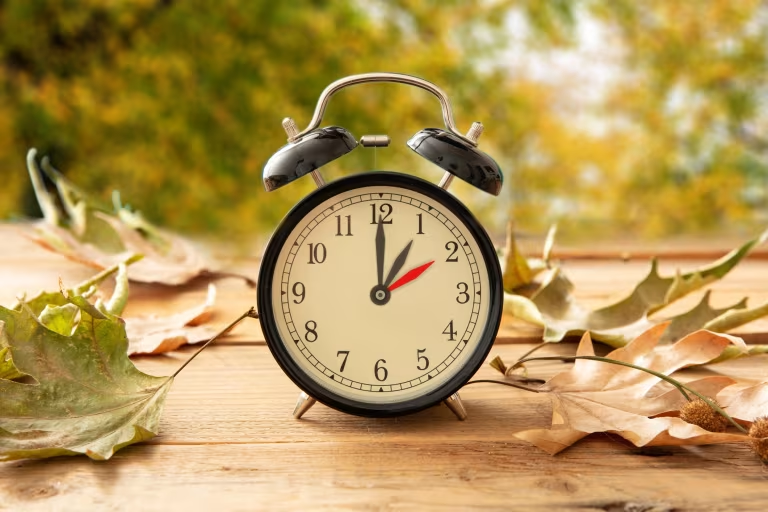
On November 1, 2026, clocks officially moved back one hour at 2:00 AM local time. The annual change ended daylight saving time, bringing longer evening light but temporarily throwing off circadian rhythms. Daylight saving time shifts civil clocks seasonally to make more evening light available during warmer months.
Impact of Daylight Saving Time Changes
Overview of 2026 Daylight Saving Time end
Each year, participating states turn clocks back by one hour at 2:00 AM local time. Most regions welcome an extra hour of morning light, while Arizona and Hawaii remain exempt and keep their schedules year-round. That difference can complicate scheduling for border communities and international travellers who cross state lines unaware of regional exceptions.
Historical context of Daylight Saving Time in the US
The framework for these clock changes dates back to the Uniform Time Act of 1966, which set a standard system for observance across the nation.
Later, the federal Energy Policy Act of 2005 lengthened the practice. Starting in 2007, clocks moved forward on the second Sunday in March and back on the first Sunday in November. These legislative milestones established the calendar that guides routine adjustments today.
Effects of falling back on daily routines
Families often shift bedtime gradually over several days to ease the effects of earlier sunrises. Commuters, meanwhile, get brighter mornings, which can reduce driving hazards during peak traffic hours.
Employers report minor productivity changes during the first week as staff adjust to earlier sunrises, but operations usually settle quickly. Schools and businesses resume normal functions right away, so workers must reset their morning habits before afternoon workflows continue without interruption.
Expert Opinions on Sleep and Health
Sleep disruption concerns from experts
Medical experts have repeatedly warned about the physical toll of changing clocks twice a year. The American Academy of Sleep Medicine has reportedly called for ending these biannual transitions and adopting permanent standard time instead.
Critics say the sudden shift disrupts melatonin production and circadian alignment. This can measurably reduce alertness and cognitive performance in the weeks after each change. Workplaces also often see more errors as employees deal with lingering sleep debt during the initial recovery period.
Long-term health implications of time changes
Health specialists view the recurring clock reset as a cumulative burden that calls for systemic reform. The American Academy of Sleep Medicine says keeping one time offset all year would remove the confusion and physical stress caused by the current dual-calendar system.
These proposals reflect growing tension between traditional scheduling and evidence-based recommendations from sleep science leaders. They also underscore how stable rest patterns support metabolic stability and cardiovascular health.
The debate over the time’s future keeps intensifying as lawmakers weigh legislative options against long-standing cultural habits. The shift brings longer evenings for recreation, but health organizations continue to press for change. Their calls suggest permanent standard time could eventually become the national norm. Tracking congressional developments can show whether citizens face another clock change next year or finally settle into a permanent schedule.
Read Next
- ONDC DigiDukaan: How India’s 1.4 Crore Kiranas Are Going Digital, One Restock at a Time
- BMIC 2026 Final Standings: Nongshim Redforce Are Champions
- Heidi Klum Goes All Out for Halloween 2026 With a Gruesome Giant Severed-Hand Costume
FAQs
When do clocks fall back in 2026?
Clocks move back one hour at 2:00 AM local time on November 1, 2026.
Why do some places not change their clocks?
Arizona and Hawaii are exempt from the clock change and keep their schedules year-round.
How can the time change affect sleep?
The sudden shift can disrupt melatonin production and circadian alignment, reducing alertness and cognitive performance.
What does the American Academy of Sleep Medicine recommend?
The American Academy of Sleep Medicine advocates ending the twice-yearly transitions and adopting permanent standard time.
Was this article helpful?
Your feedback directly improves future articles on this site.