PSG
PSG LYON
LYON SEV
SEV OSA
OSA NED
NED OMA
OMA NZ
NZ IND
IND NAM
NAM IRE
IRE PAK
PAK SL
SL SA
SA AUS
AUS Abha
Abha Al Faisaly
 MBSG1
MBSG1 CFC0
CFC0 Barcelona1
 Real Madrid2
 Udinese0
 Milan2
 Real Sociedad2
 Levante1
 NZ-A317
 IND-A113 & 488/8 (119 ov)
 SYL575/4 (167.3 ov)
 KHU
KHU MYMS465/7d
 CHATT424/6 (121 ov)
 DHA521
 RAJ162 & 215/5 (59.1 ov) (f/o)
 RAN402 & 5/0 (2.3 ov)
 BAR443/9d
 SIKM30/1 (15 ov)
 NAGA187
 JHK
JHK DELHI309/5 (90 ov)
 ODSA194
 SVCS13/0 (5 ov)
 BRODA259/6 (86 ov)
 J & K
J & K CHD363/2 (87 ov)
 HP
HP CGR35/1 (14 ov)
 AP231
AP231 HYD
HYD PNJB289/6 (90 ov)
 BAN
BAN WI
WI BRB
BRB MIS
MIS BIK
BIK CHR
CHR MEX-W51 (12.5/20 ov, target 187)
 ARG-W186/7
 NGA148
 UGA147/9 (20 ov, target 149)
 GMB112/9
 LES109 (19.5/20 ov, target 113)
 MOZ110/7 (19/20 ov, target 110)
 ZMB109/9
 IND-W328/6
 ZIM-W207 (48.5/50 ov, target 329)
 ENG241
 KBH0
KBH0 OBK0
OBK0 UAI0
UAI0 VSC0
VSC0 Sassuolo
 Lazio
Lazio AS Roma
 Cagliari
 Torino
 Como
Como QAD
QAD ALS
ALS AQAJ
AQAJ PAK
PAK Lecce0
 Juventus2
 Sunderland0
 Leeds0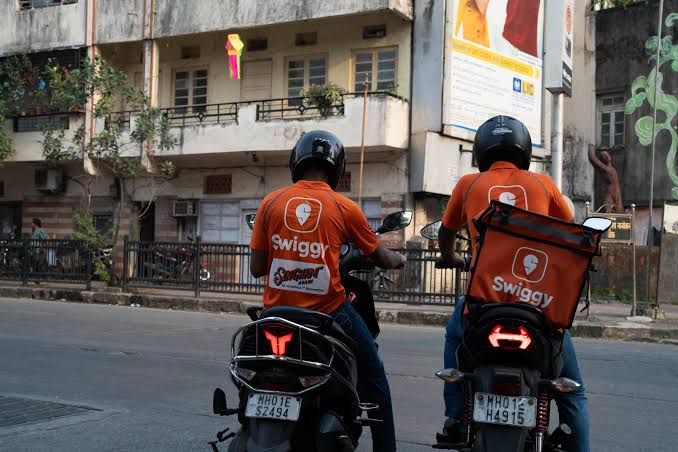
Competition or controlled chaos? Across India’s most essential industries, a striking pattern has emerged — two dominant players control nearly the entire market, leaving little room for anyone else. From ordering food to booking flights, your choices increasingly boil down to just two names. Here’s an eye-opening look at India’s duopoly-driven economy.
What Is a Duopoly?
A duopoly occurs when two companies dominate an entire market, effectively controlling pricing, innovation, and consumer choice. While not illegal, duopolies raise important questions about competition, consumer welfare, and market health. India’s digital revolution has accelerated this trend across multiple sectors.
| Duopoly Characteristic | Impact on Consumers |
|---|---|
| Two dominant players | Limited alternatives for consumers |
| Price-setting power | Companies influence market pricing together |
| High entry barriers | New competitors struggle to enter |
| Innovation control | Two players decide the pace of innovation |
| Consumer dependency | Users locked into choosing between two options |
| Market stability | Less disruption but potentially less consumer benefit |
India’s 10 Major Duopolies Explained

1. Jio vs Airtel (Telecom)
India’s telecom sector has dramatically consolidated from 12+ operators to essentially two giants:
| Detail | Jio | Airtel |
|---|---|---|
| Parent Company | Reliance Industries | Bharti Enterprises |
| Subscribers | 450M+ | 380M+ |
| Market Strategy | Disruption through pricing | Premium quality + value |
| Combined Market Share | ~75% of Indian telecom market |
When Jio launched in 2016 with free data and calls, it triggered an industry bloodbath. Vodafone-Idea barely survives as a distant third, while BSNL remains government-supported. Today, these two essentially decide what Indians pay for mobile and internet services, setting tariff hikes almost simultaneously — a classic duopoly behavior that leaves consumers with nowhere else to turn.
2. Swiggy vs Zomato (Food Delivery)
| Detail | Swiggy | Zomato |
|---|---|---|
| Founded | 2014 | 2008 (delivery from 2015) |
| Presence | 500+ cities | 800+ cities |
| Expansion | Quick commerce (Instamart) | Quick commerce (Blinkit) |
| Combined Market Share | ~95% of food delivery |
Remember Foodpanda? UberEats India? TinyOwl? All gone. Swiggy and Zomato systematically outlasted, outspent, and acquired every competitor. Today, if you want food delivered in India, you’re opening one of these two apps — and both charge increasingly similar delivery fees, platform fees, and surge pricing.
3. IndiGo vs Air India (Airlines)
| Detail | IndiGo | Air India |
|---|---|---|
| Owner | InterGlobe Aviation | Tata Group |
| Domestic Market Share | ~60% | ~28% (post-merger) |
| Strategy | Low-cost efficiency | Full-service + Vistara merger |
| Combined Market Share | ~88% of domestic air travel |
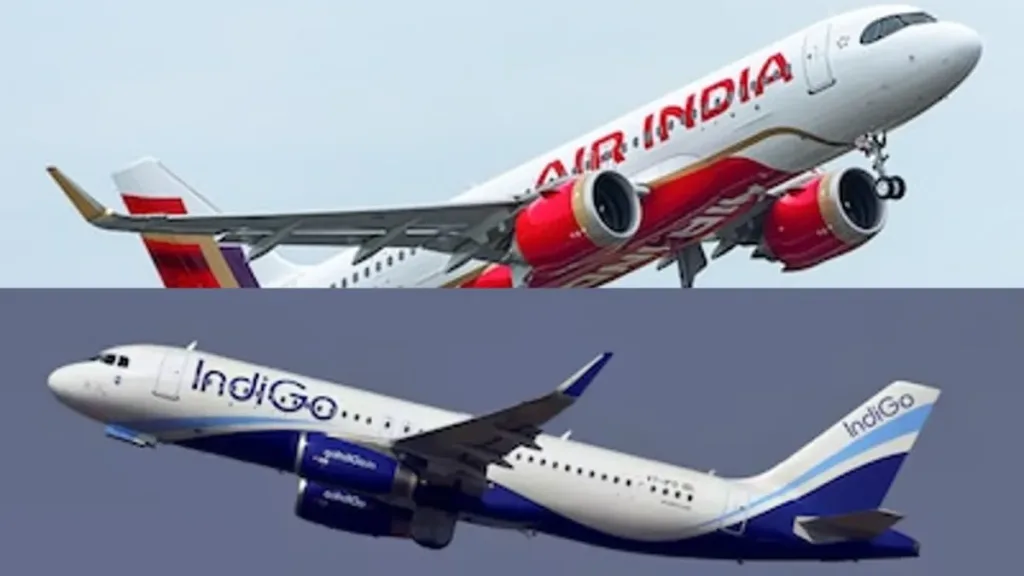
IndiGo’s operational efficiency and Air India’s Tata-backed revival (absorbing Vistara and Air India Express) have created an aviation duopoly where nearly 9 out of 10 domestic passengers fly with one of these two. SpiceJet and Akasa struggle for the remaining scraps, meaning these two airlines essentially control India’s skies, routes, and pricing.
4. Flipkart vs Amazon (E-Commerce)
| Detail | Flipkart | Amazon India |
|---|---|---|
| Owner | Walmart | Amazon Inc. |
| Strength | Festive sales, fashion | Prime ecosystem, logistics |
| Founded (India) | 2007 | 2013 |
| Combined Market Share | ~80% of e-commerce |
India’s e-commerce story is essentially a Walmart vs Amazon proxy war. Flipkart pioneered Indian e-commerce; Amazon brought global muscle. Smaller players like Meesho serve niche markets, but for mainstream online shopping, Indians overwhelmingly choose between these two — especially during sale events like Big Billion Days and Prime Day that drive billions in GMV.
5. Uber vs Ola (Cab Services)
| Detail | Uber India | Ola |
|---|---|---|
| Origin | US (global) | India (homegrown) |
| Strategy | Global brand + technology | Indian market understanding |
| Expansion | Rides + delivery | Rides + EV (Ola Electric) |
| Combined Market Share | ~90% of ride-hailing |
Meru, Mega, and Rapido (for autos) exist on the margins, but app-based cab services in India mean either Uber or Ola. Both platforms have been accused of algorithmic surge pricing that seems suspiciously synchronized — a hallmark of duopoly behavior that leaves commuters with limited alternatives during peak hours.
6. JioStar vs SonyLIV (Sports Rights)
| Detail | JioStar | SonyLIV |
|---|---|---|
| Parent | Reliance-Disney merger | Sony Pictures Networks |
| Key Rights | IPL, ICC, Olympics | UEFA, FIFA, WWE |
| Strength | Cricket dominance | International sports variety |
| Combined Control | ~90% of premium sports broadcasting |
If you want to watch any major sporting event in India, you’re paying one of these two platforms. JioStar’s dominance in cricket (IPL + ICC) combined with SonyLIV’s international sports portfolio means virtually all premium sports content is locked behind two subscriptions — leaving fans with no alternative but to subscribe to both.
7. MakeMyTrip vs EaseMyTrip (Online Travel)
| Detail | MakeMyTrip | EaseMyTrip |
|---|---|---|
| Founded | 2000 | 2008 |
| Portfolio | Flights + Hotels + Holidays | Flights + Hotels (zero convenience fee) |
| Acquisitions | Goibibo, Redbus merged | Organic growth |
| Combined Market Share | ~70% of online travel booking |
MakeMyTrip’s acquisition of Goibibo and Redbus created a travel booking behemoth, while EaseMyTrip carved its niche through zero convenience fees. Cleartrip (owned by Flipkart) exists but plays third fiddle, meaning most Indians book their travel through just these two platforms.
8. PVR INOX vs Cinepolis (Multiplex Chains)
| Detail | PVR INOX | Cinepolis India |
|---|---|---|
| Screens | 1,700+ | 400+ |
| Formation | PVR + INOX merger | Mexican chain’s India expansion |
| Presence | Nationwide dominance | Major metros |
| Combined Market Share | ~80% of multiplex screens |
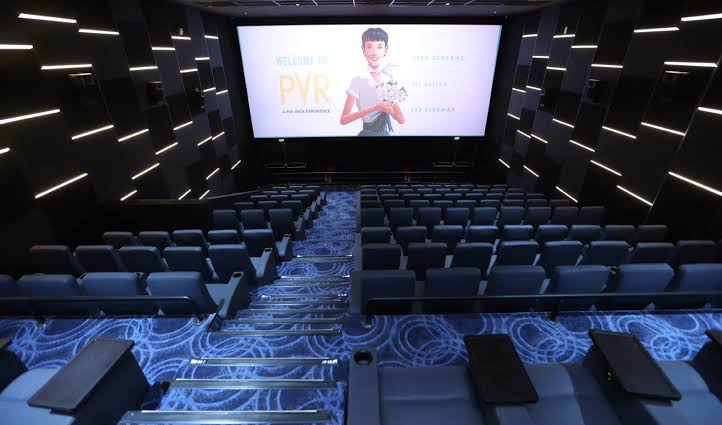
The PVR-INOX merger created India’s multiplex monopoly contender, with Cinepolis as the only significant alternative. Single-screen theaters are dying, meaning these two chains increasingly control what films get prime screens, how tickets are priced, and what you pay for popcorn.
9. Blinkit vs Zepto (Quick Commerce)
| Detail | Blinkit | Zepto |
|---|---|---|
| Owner | Zomato | Independent (VC-funded) |
| Delivery Promise | 10-minute delivery | 10-minute delivery |
| Strategy | Zomato ecosystem leverage | Pure-play quick commerce |
| Combined Market Share | ~75% of quick commerce |
India’s 10-minute delivery revolution is essentially a two-horse race. Swiggy Instamart competes but trails, while BigBasket and others focus on different models. Blinkit’s Zomato backing and Zepto’s aggressive expansion mean these two are reshaping how urban Indians buy groceries, snacks, and essentials.
10. PhonePe vs Google Pay (UPI Payments)
| Detail | PhonePe | Google Pay |
|---|---|---|
| Owner | Walmart (via Flipkart) | Google (Alphabet) |
| UPI Share | ~48% | ~37% |
| Strength | Merchant payments | Seamless Android integration |
| Combined Market Share | ~85% of UPI transactions |
Perhaps the most consequential duopoly — digital payments. Despite NPCI’s efforts to cap market share at 30%, PhonePe and Google Pay together process 85% of India’s UPI transactions. Paytm’s decline and regulatory troubles have only strengthened this duopoly, meaning two foreign-owned companies essentially control India’s digital payment infrastructure.
The Complete Duopoly Map
| Industry | Player 1 | Player 2 | Combined Share |
|---|---|---|---|
| Telecom | Jio | Airtel | ~75% |
| Food Delivery | Swiggy | Zomato | ~95% |
| Airlines | IndiGo | Air India | ~88% |
| E-Commerce | Flipkart | Amazon | ~80% |
| Cab Services | Uber | Ola | ~90% |
| Sports Broadcasting | JioStar | SonyLIV | ~90% |
| Online Travel | MakeMyTrip | EaseMyTrip | ~70% |
| Multiplexes | PVR INOX | Cinepolis | ~80% |
| Quick Commerce | Blinkit | Zepto | ~75% |
| UPI Payments | PhonePe | Google Pay | ~85% |
Should Consumers Be Worried?
| Concern | Reality |
|---|---|
| Price control | Two players can raise prices with limited consumer recourse |
| Reduced innovation | Less competitive pressure to innovate rapidly |
| Service quality | Declining quality when alternatives don’t exist |
| Data concentration | Two companies holding massive consumer data |
| Market entry barriers | New startups can’t compete against entrenched duopolies |
| Regulatory gaps | Indian antitrust frameworks still evolving |
For more technology and business insights, visit TechnoSports and explore our tech section for the latest stories.
FAQs
Q: Why are so many Indian industries becoming duopolies?
Q: Is India’s duopoly trend good or bad for consumers?
A: It’s a double-edged sword — duopolies bring operational efficiency and service standardization, but they also reduce consumer choice, enable synchronized price increases, and create barriers that prevent new innovative competitors from entering the market.