NZ
NZ IND
IND NAM
NAM IRE
IRE MOZ
MOZ UGA
UGA Aston Villa
 Man City
 Rayo
Rayo Elche
Elche GMB
GMB ZMB
ZMB NGA
NGA LES
LES Cagliari
 Bologna
 IPS1
IPS1 NFO1
NFO1 ALA1
ALA1 MCF1
MCF1 TOR3
TOR3 MON2
MON2 BRE1
BRE1 NICE2
NICE2 TAS129/7 (23.3/35 ov, target 276)
 VIC304/7 (50 ov)
 WA
WA NSW38/1 (9/50 ov)
 NZ-A135/3 (41 ov)
 IND-A113
 DHA
DHA RAJ
RAJ MYMS
MYMS CHATT
CHATT RAN
RAN BAR
BAR SYL
SYL KHU
KHU MEX-W
MEX-W ARG-W
ARG-W UAE
UAE NED
NED AFG170/3 (34.3/50 ov, target 170)
 ZIM169
 IND-W200/1 (27.1/50 ov, target 198)
 ZIM-W197
 DOLPH56/0 (3.5/8 ov, target 56)
 SWD51/4 (8/8 ov)
 WSW1
WSW1 BRI1
BRI1 Como
Como Sassuolo
 Augsburg
 Union Berlin
 Cologne
 Schalke
 Mainz
Mainz Bremen
 RB Leipzig
 Elversberg
 VFB2
VFB2 BMG3
BMG3 AHL4
AHL4 KHA1
KHA1
Tiiny AI showcased the Pocket Lab at CES 2026—a palm-sized AI supercomputer verified by Guinness World Records as the smallest mini PC capable of running 120-billion-parameter language models locally. The device runs entirely offline without cloud connectivity or high-end GPUs.
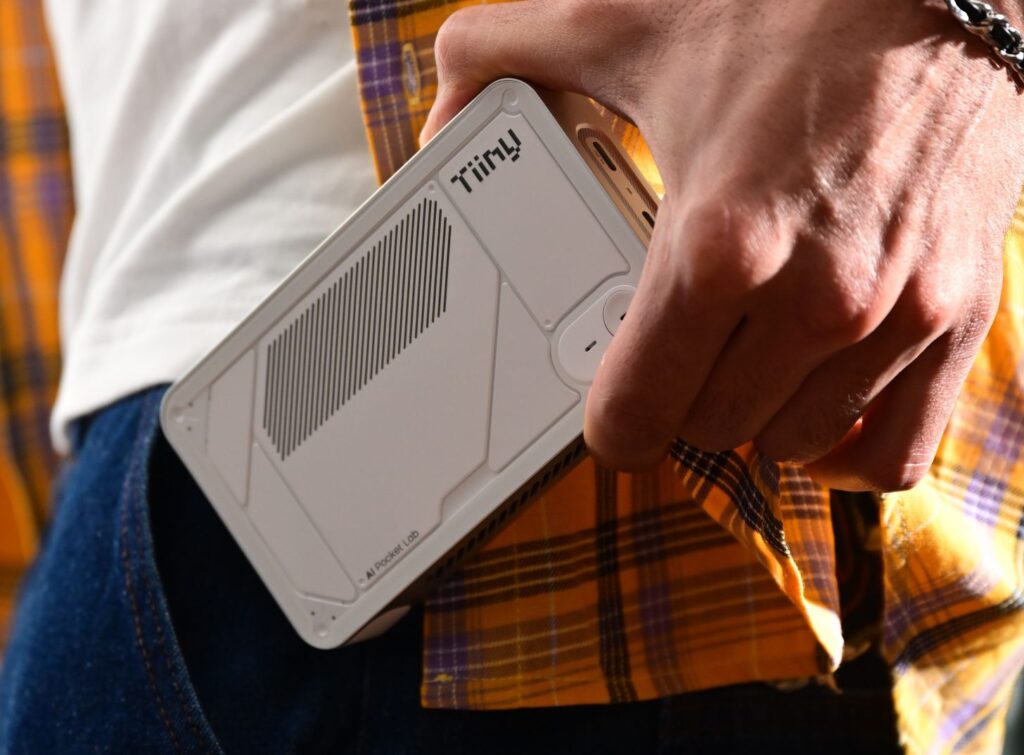
AI Computing in Your Pocket
Tiiny AI Pocket Lab Specifications
| Detail | Specification |
|---|---|
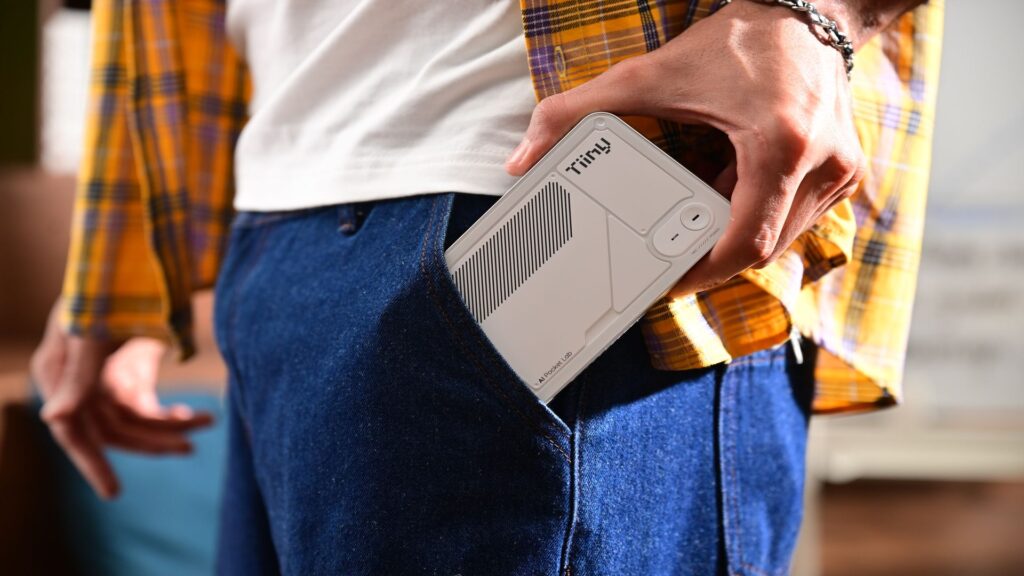
| Size | 14.2 × 8 × 2.53 cm (300g) |
| Memory | 80GB LPDDR5X RAM |
| Storage | 1TB SSD |
| Processor | ARMv9.2 12-core CPU |
| Power | 65W envelope |
| AI Capability | 120B-parameter LLMs |
| Price | $1,399 (super early-bird) |
| Launch | Kickstarter (February 2026) |
| World Record | Guinness (Smallest 100B LLM Mini PC) |
Guinness World Record Achievement
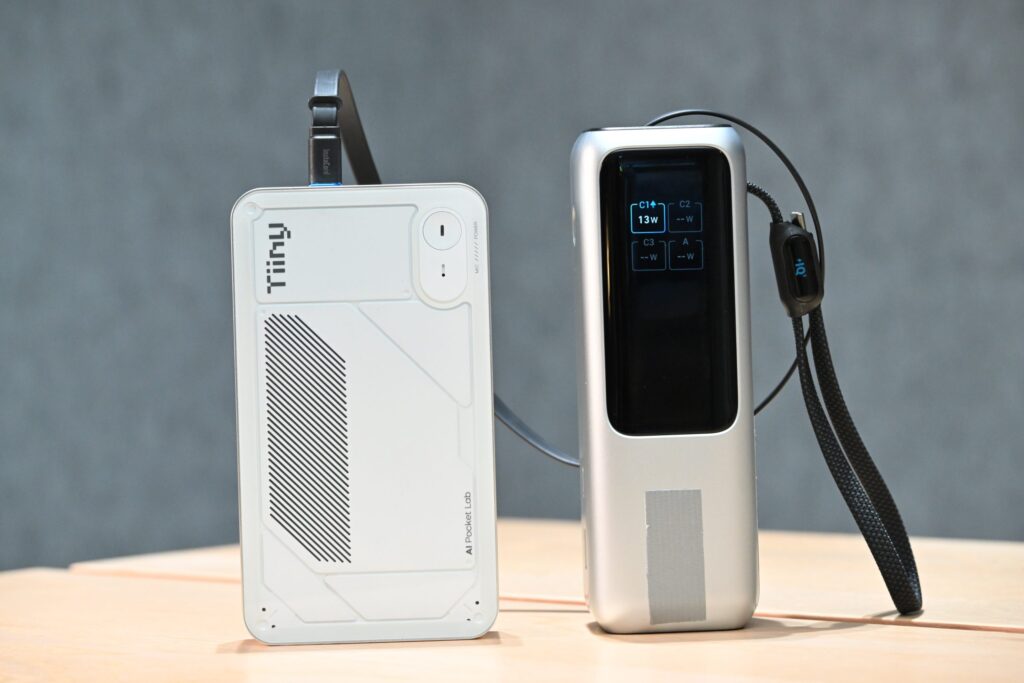
In December 2025, Guinness World Records verified the Pocket Lab as “The smallest mini PC capable of running a 100B-parameter large language model locally.” The device resembles a sleek power bank but packs datacenter-level AI capabilities in a pocket-sized form factor.
For the first time in AI supercomputing, users can run up to 120-billion-parameter LLMs entirely on-device without cloud connectivity, servers, or expensive GPUs—all while fitting in your hand.
Breakthrough Technologies
Two key innovations enable large AI models on such small hardware. TurboSparse boosts efficiency by activating only required neurons without reducing model intelligence. PowerInfer, an open-source engine with over 8,000 GitHub stars, distributes AI workloads across CPU and NPU for improved performance at far less power.
These technologies deliver capabilities previously requiring professional GPUs costing thousands of dollars, democratizing access to advanced AI computing.
Privacy, Cost, and Offline Reliability
The Pocket Lab addresses three critical concerns: privacy, predictable cost, and offline reliability. While mainstream AI platforms rely on remote datacenters and usage-based pricing, Pocket Lab enables completely on-device operation without subscriptions, token fees, or continuous internet.
Samar Bhoj, GTM Director at Tiiny AI, emphasized that cloud AI brought remarkable progress but also created dependency, vulnerability, and sustainability challenges. The company believes personal AI should feel more like owning a computer than renting intelligence by the token.
Real-World Performance Range
The device operates in the “golden zone” of personal AI (10B–100B parameters), satisfying over 80% of real-world tasks. Scaling up to 120B models delivers GPT-4-level intelligence for complex reasoning and multi-step analysis—all while keeping data fully offline and secure.
At CES demonstrations, Pocket Lab performed prompt responses with speed similar to common cloud services. Even after hours of constant demos, units remained cool to the touch and didn’t struggle under load—promising signs for batch photo generation or lengthy transcription workloads.
Energy Efficiency Focus
Operating within a 65W power envelope, Pocket Lab delivers large model performance at a fraction of the energy and carbon footprint of traditional GPU-based systems. This addresses sustainability concerns, rising energy costs, and privacy risks associated with cloud-based AI infrastructure.
The energy efficiency represents a major shift as the AI industry grapples with datacenter power consumption and environmental impact.
Open-Source Ecosystem
TiinyOS platform enables one-click installation of popular open-source models including Llama, Qwen, DeepSeek, Mistral, Phi, and GPT-OSS. Users can easily set up AI agents like OpenManus, ComfyUI, Flowise, and SillyTavern with seamless deployment.
Regular over-the-air updates and official hardware upgrades ensure the device remains current as AI technology evolves.
Companion Device Strategy
Tiiny AI positions Pocket Lab as a dedicated personal AI engine working alongside existing laptops and desktops rather than replacing them. It connects via plug-and-play, offloading large-model inference externally, allowing even older computers to access advanced AI without hardware upgrades.
Use Cases and Target Audience
Creative teams gain a portable rendering box for generative pipelines. Journalists and field researchers can transcribe, summarize, and translate without network access. Privacy-concerned users keep sensitive datasets off third-party servers while enjoying modern models.
For regulated domains like healthcare imaging, legal document analysis, and field research, local inference simplifies compliance while eliminating data egress fees.
Pricing and Availability
The Pocket Lab launches on Kickstarter in February with a super early-bird price of $1,399. According to Tiiny AI, high-end memory inside is worth approximately $900 alone, reflecting current market conditions.
While expensive compared to mini PCs, the price is competitive against purpose-built AI rigs and continued cloud usage costs. As with crowdfunded hardware, potential backers should carefully weigh delivery dates and support promises.
For more AI hardware news, visit TechnoSports.