

You’ve done it a thousand times — peace sign, click, post. But here’s a chilling thought security experts are now raising loudly: that casual two-finger pose could hand AI-powered hackers your fingerprints on a silver platter.
And unlike a password, your fingerprints can never be changed.
AI Hackers Threat at a Glance
| Factor | Detail |
|---|---|
| Gesture at Risk | Peace / V-sign selfie |
| Risk Distance | Up to 1.5–3 metres from camera |
| AI Role | Enhances images to reconstruct fingerprint ridges |
| Tools Required | High-res photo + AI image enhancement software |
| Real-World Precedent | German Defence Minister’s fingerprint recreated from press photos (2014) |
| Biggest Danger | Fingerprints cannot be reissued or reset once compromised |
How Does It Actually Work?
Security experts demonstrated that fingerprint ridges can become visible after images are enhanced with photo-editing software and AI tools. According to a cryptography professor, portrait photos taken with high-quality cameras can make it possible to reconstruct hand details from a peace sign pose — though factors like lighting, focus, and angle all play a role.
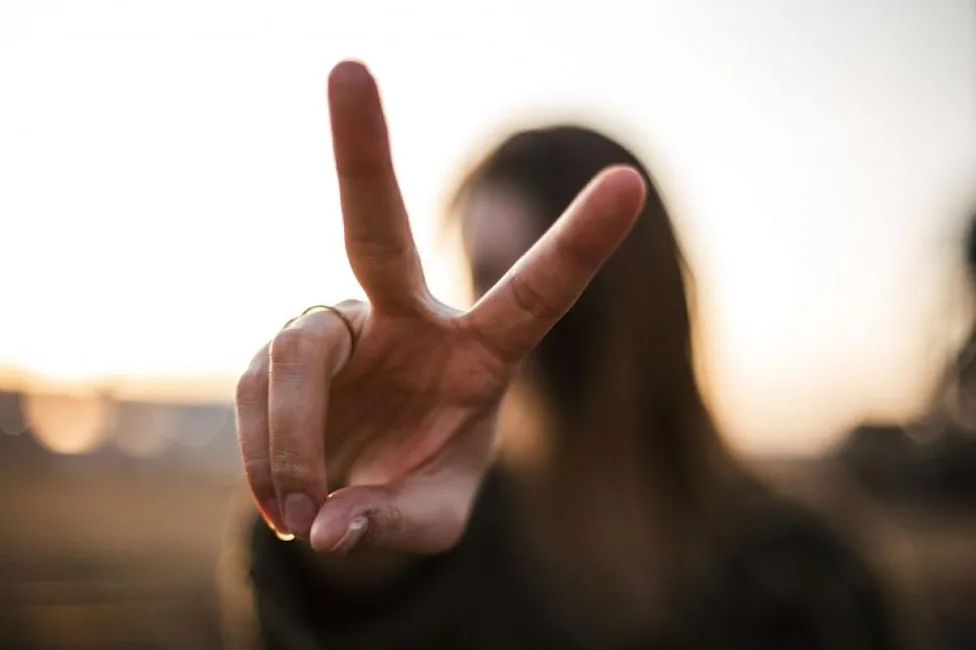
Security researchers have been demonstrating fingerprint reconstruction attacks for over a decade, but advances in smartphone camera hardware are steadily lowering the barrier. What once required a lab setup can now be done with consumer-grade tools. TechSpot
Tools that once required specialized knowledge now work with consumer hardware — and the permanent problem remains: unlike passwords, compromised fingerprints cannot be reissued or cancelled. Yahoo!
Why This Is More Serious Than a Password Leak?
Fingerprints are now the key to your phone, your banking apps, your workplace access, and even airport security. Major breaches prove biometric databases are irresistible targets — the 2019 Suprema breach exposed fingerprint data from over a million people, while the 2015 Office of Personnel Management hack compromised 5.6 million federal employee fingerprints.
Combine that vulnerability with AI-powered photo extraction, and the risk becomes very real.
How to Protect Yourself?
Security researcher Chang advised blurring fingerprints when taking photos and avoiding repeating the peace gesture, especially since hackers often need a few examples to work with.
Simple precautions:
- Avoid peace signs in high-resolution public photos
- Blur or crop fingers before uploading close-up shots
- Be cautious on high-follower public accounts
Learn more about biometric security and how fingerprint recognition works on Wikipedia.
For more cybersecurity tips and tech safety guides, visit TechnoSports and read our latest cybersecurity and AI threat coverage.


