Tata Motors is entering one of its busiest product cycles in years, with a lineup of new electric vehicles set to roll out across 2026 and 2027 that spans everything from budget-friendly hatchbacks to premium born-electric SUVs. The roadmap signals Tata’s intent to defend its position as India’s leading EV maker even as competition intensifies from Mahindra, MG and others.
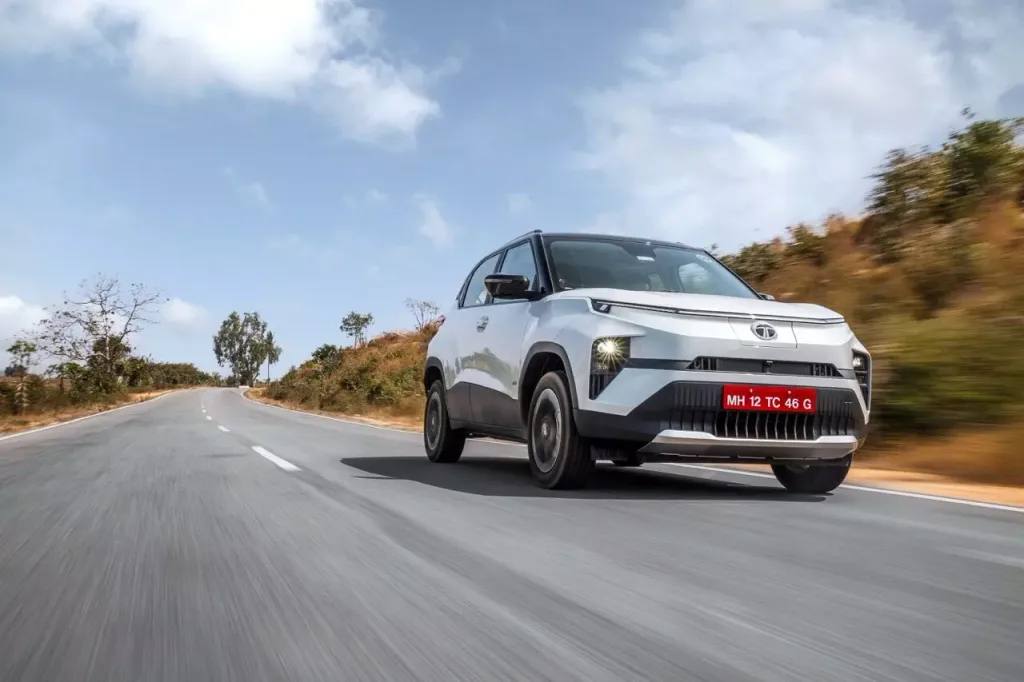
At the entry level, the facelifted Tiago EV is expected around May 28, 2026, priced between Rs 6.99 lakh and Rs 9.99 lakh, offering buyers a choice of 19.2 kWh or 24 kWh battery packs with a claimed range of up to 293 km, alongside cosmetic updates like refreshed bumpers and a larger touchscreen.
Table of Contents
Tata Motors’s Upcoming EV Lineup
| Model | Expected Launch | Price Range |
|---|---|---|
| Tiago EV (facelift) | May 2026 | Rs 6.99-9.99 lakh |
| Sierra EV | FY27 | Rs 18.79-26.48 lakh |
| Safari EV | Festive 2026 | Rs 22-28 lakh |
| Avinya | End of FY27 | From Rs 30 lakh |
| Tigor EV (facelift) | 2026 | TBA |
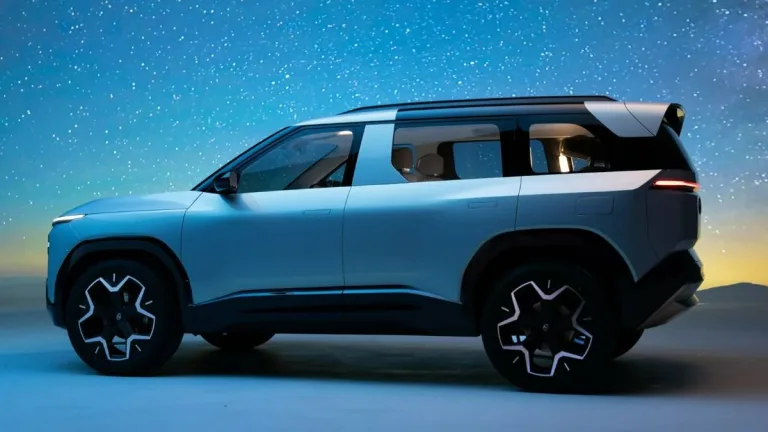
Higher up the range, the Sierra EV revives one of Tata’s most nostalgic nameplates with a thoroughly modern twist, offering both RWD and AWD configurations, a claimed range beyond 500 km, a triple-screen dashboard and ADAS driver assistance features — positioning it as a serious rival to similarly priced electric SUVs from rival manufacturers.
The three-row Safari EV is expected to follow closely behind during the festive season, bringing electric power to Tata’s flagship SUV nameplate with both RWD and AWD options, while the standalone Avinya, built on a dedicated born-electric platform, caps off the roadmap as Tata’s most premium and technologically advanced EV yet, starting north of Rs 30 lakh.
Together, this wave of launches represents Tata’s most aggressive EV push since it first entered the segment, aiming to cover nearly every price bracket from budget hatchback to premium SUV territory within roughly 18 months.
Follow more EV launches and updates on TechnoSports’ technology section.
The revival of the Sierra nameplate in particular carries significant emotional weight for Indian car buyers, given its cult status from the 1990s, and Tata appears to be leaning heavily into that nostalgia while backing it up with genuinely modern EV underpinnings rather than treating it as a purely styling-driven exercise.
With rivals like Mahindra also ramping up their own electric SUV offensives around the same timeframe, how well Tata’s pricing and range claims hold up in real-world conditions will likely determine which brand comes out ahead in what is shaping up to be a fiercely contested next 18 months for India’s EV market.