NZ121/3 (15.1/20 ov)
 IND
 NAM49/2 (10.5/50 ov)
 IRE
 MOZ
 UGA
 AVL
 MNC
 RAY
 ELC
 GMB
 ZMB
 NGA
 LES
 CAG
 BOL
 COMO
 SAS
 FCA
 FCU
 Ipswich1
 Nottm Forest1
 Alavés1
 Málaga1
 Torino3
 Monza2
 Brest1
 Nice2
 WA
 NSW199/3 (31/50 ov)
 DEN
 KUW
 KENYA
 QAT
 SWD-W
 EPR-W
 TTN-W
 WPR-W
 NZ-A135/3 (41 ov)
 IND-A113
 DHA
 RAJ
 MYMS
 CHATT
 RAN
 BAR
 SYL
 KHU
 MEX-W
 ARG-W
 UAE
 NED
 PAK
 ENG
 IND-W
 ZIM-W
 AFG170/3 (34.3/50 ov, target 170)
 ZIM169
 TAS137 (25.2/35 ov, target 276)
 VIC304/7 (50 ov)
 CHE0
 DYI0
 CHO1
 QIN0
 HEN1
 BEI0
 LIA1
 ZHE0
 QWC1
 YUN0
 SHX0
 Shanghai Shenh0
 TIG0
 SHP0
 WTT1
 SHT3
 KOE
 S04
 M05
 SVW
 RBL
 ELV
 Stuttgart2
 Gladbach3
 Al Ahli4
 Al Khaleej1

’s ambitious path to electrification faces a major setback as the automaker announced a delay in its in-house EV production due to a $362 million financial charge. Originally slated for a 2025 debut, the company’s internal program is now postponed until 2027, forcing a recalibration of their global electric strategy. Subaru, in particular, deserves more attention than the headline suggests.
Financial Hurdles and Component Tariffs Impacting Schedule
The manufacturer reported a $362 million charge in its Q1 2026 financial results, which is primarily linked to mounting EV development costs. This significant expenditure, combined with the rising impact of tariffs on imported components and materials, has stalled progress. While the company previously navigated shifts similar to those seen in Mahindra’s strategic industrial moves, this specific financial burden highlights the volatility of the current market.
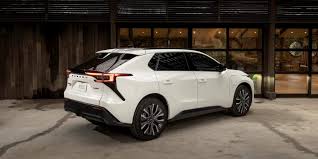
Industry analysts at MotorTrend note that such setbacks are increasingly common as legacy brands struggle to balance traditional manufacturing with the capital-intensive nature of EV platforms. The decision to delay in-house development is a calculated risk, ensuring that the final output meets the brand’s performance standards while navigating global supply chain constraints. This pause allows for better integration of next-generation hardware, which remains essential for competing in a crowded, high-tech landscape.
Future Market Targets and Model Expectations
Despite the delay, the long-term vision remains clear, with plans to release at least three EV models by 2027. These vehicles are primarily targeted at North America, Japan, and Europe, where demand for zero-emission transport continues to rise.
The first in-house model is expected to deliver a range of approximately 250 miles (402 km) on a single charge. Subaru, specifically, plays a bigger role than most coverage suggests.
Pricing remains competitive, with an entry-level target of around $40,000 and lower-spec variants starting near $35,000. As the industry moves toward cheaper, more efficient alternatives, this pricing strategy positions the brand to capture a significant segment of the mid-market. While full specifications like power and torque remain [UNCONFIRMED], the move toward late 2026 or early 2027 for a market launch keeps the brand within a competitive window. Much like the complex production shifts seen at other legacy manufacturers, this transition is critical for long-term viability.
Understanding subaru fully means staying ahead of these developments.
FAQs
When is the first EV launching?
It is now targeted for late 2026 or early 2027.
What is the expected range?
The initial model targets approximately 250 miles (402 km).
How much will it cost?
Prices are expected to start between $35,000 and $40,000.
Why did delay its in-house EV production?
postponed its in-house electric vehicle production until 2027 primarily due to a $362 million financial charge and the impact of new component tariffs, which necessitated a strategic shift in their manufacturing timeline.
When can consumers expect the first in-house EVs?
Following the recent announcement, now plans to begin its in-house electric vehicle production in 2027. This timeline adjustment allows the company to better manage its financial resources and navigate current supply chain challenges.
How will the $362 million charge affect Subaru’s future?
The $362 million charge reflects the costs associated with restructuring and adapting to the evolving EV market. While it impacts short-term financials, the delay is intended to ensure a more sustainable and efficient transition to an electrified vehicle lineup by 2027.