NZ113/3 (14.4 ov)
 IND
 NAM321/6
 IRE208/5 (37.3/50 ov, target 322)
 MEX-W
 ARG-W
 ARS
 EVE
 COV
 FUL
 OFC
 NEU
 NEOM
 ABH
 RAC
 ESP
 KHO
 ETT
 NAP
 ROMA
 MOZ19
 UGA23/0 (0.5/20 ov, target 20)
 Ipswich1
 Nottm Forest1
 Alavés1
 Málaga1
 Torino3
 Monza2
 KENYA
 QAT
 SWD-W
 EPR-W
 TTN-W
 WPR-W
 BOR135/3 (18/20 ov, target 137)
 WAR136/8
 NZ-A135/3 (41 ov)
 IND-A113
 DHA293/3 (84.1 ov)
 RAJ
 MYMS299/4 (87 ov)
 CHATT
 RAN320/5 (80 ov)
 BAR
 SYL
 KHU
 UAE
 NED
 PAK
 ENG
 IND-W
 ZIM-W
 GMB
 LES
 ZMB
 NGA
 AFG170/3 (34.3/50 ov, target 170)
 ZIM169
 CHE
 TOT
 Brest1
 Nice2
 Stuttgart2
 Gladbach3
 Al Ahli4
 Al Khaleej1

Marvel’s new Spider-Man trailer is doing something different. Instead of dropping one full trailer, Sony and Marvel are releasing it in pieces — turning the whole marketing campaign into an event. Fans don’t know what’s coming next, and honestly, it’s working.
Why This Fragmented Approach Matters
There’s real strategy behind this. By releasing the trailer in fragments instead of all at once, Marvel stretches the excitement over weeks. Each clip becomes something people share, discuss, and turn into memes. A 15-second snippet now gets the same obsessive attention that full trailers used to get. Think about how Dune 3 trailer strategies have changed — breaking content into smaller pieces drives way more engagement. This Spider-Man approach feeds social media’s hunger for fresh content, keeping the film in conversation way longer than traditional marketing ever could.
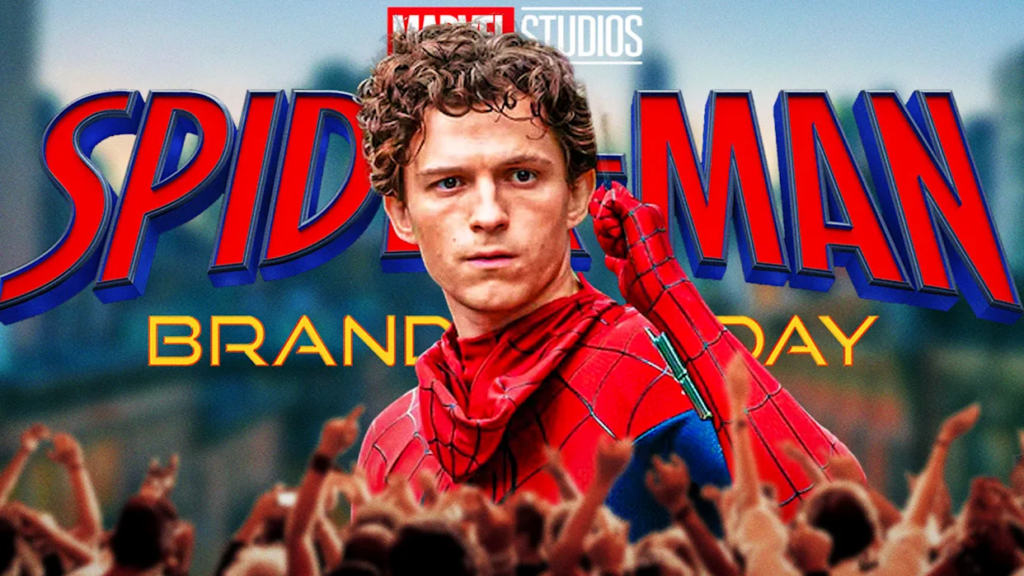
Spider-Man Trailer Fragments Decoded
So what’s actually in these clips? The fragments reportedly tease the multiverse angle — which makes sense given Marvel’s direction lately. You’re getting character moments, action sequences, and villain reveals spread out strategically. Each piece adds another puzzle piece to the picture.
The strategy here suggests this film deals with consequences from previous MCU events, with real emotional weight. Dialogue hints at legacy themes and new relationships developing. Plot details stay hidden, but the rollout builds anticipation methodically. Fans analyzing each 20-30 second clip are generating thousands of Reddit threads and TikTok theories.
What Fans Are Discovering
The fragments have already sparked wild speculation. Costume redesigns, villain identities, and cameo possibilities are dominating fan forums. Some clips hint at character reveals that could reshape the entire MCU story. No single fragment spoils everything — but together, they paint something intriguing.
This approach also prevents people from getting tired of the trailer. Instead of one 3-minute video everyone watches once, dozens of micro-trailers keep the momentum going. It’s smart engagement architecture, not just standard marketing.