CFC0
CFC0 GRE0
GRE0 FLA2
FLA2 CAM2
CAM2 NED
NED OMA
OMA NZ
NZ IND
IND NAM
NAM IRE
IRE PAK
PAK SL
SL SA
SA AUS
AUS Abha
Abha Al Faisaly
 AFG
AFG ZIM
ZIM Sassuolo
 Lazio
Lazio SEV2
SEV2 OSA0
OSA0 PSG2
PSG2 LYON0
LYON0 MBSG1
MBSG1 CFC0
CFC0 Barcelona1
 Real Madrid2
 NZ-A317 & 59/3 (18.3 ov, target 313)
 IND-A113 & 516
 SYL575/4 (167.3 ov)
 KHU
KHU MYMS465/7d
 CHATT424/6 (121 ov)
 DHA521
 RAJ162 & 215/5 (59.1 ov) (f/o)
 RAN402 & 5/0 (2.3 ov)
 BAR443/9d
 SIKM30/1 (15 ov)
 NAGA187
 JHK
JHK DELHI309/5 (90 ov)
 ODSA194
 SVCS13/0 (5 ov)
 BRODA259/6 (86 ov)
 J & K
J & K CHD363/2 (87 ov)
 HP
HP CGR35/1 (14 ov)
 AP231
AP231 HYD
HYD PNJB289/6 (90 ov)
 BAN
BAN WI
WI IND-W
IND-W ZIM-W
ZIM-W MEX-W51 (12.5/20 ov, target 187)
 ARG-W186/7
 BRB149/5 (16.2/20 ov, target 148)
 MIS147
 MOW107/9
 TOK111/5 (18.4/20 ov, target 108)
 LUL88/3 (9.5/20 ov, target 88)
 SPR87
SPR87 VAG169/4
 AMG1
AMG1 CUI0
CUI0 COR0
COR0 LLA0
LLA0 TOR1
TOR1 HAL1
HAL1 MICH0
MICH0 WASH1
WASH1 ISU0
ISU0 BYU1
BYU1 JUV2
JUV2 NAU0
NAU0 BOL0
BOL0 UDV0
UDV0 IACC0
IACC0 RIE0
RIE0 AS Roma
 Cagliari
 Torino
 Como
Como Daejeon
 Vissel Kobe
 Darul Ta'zim
 Port FC
 Kyoto Sanga
 Newcastle Jets
 Shanghai Port
 Cong An Ha Noi
 Udinese0
 Milan2
 Real Sociedad2
 Levante1
SK Hynix internal analysis reveals commodity DRAM supply will remain constrained through 2028, triggering price increases that could make PC upgrades painfully expensive. The Korean memory giant projects supply growth lagging demand for at least three more years as AI data centers absorb production capacity, leaving gamers and everyday consumers competing for scraps. Here’s what this means for your next RAM purchase.
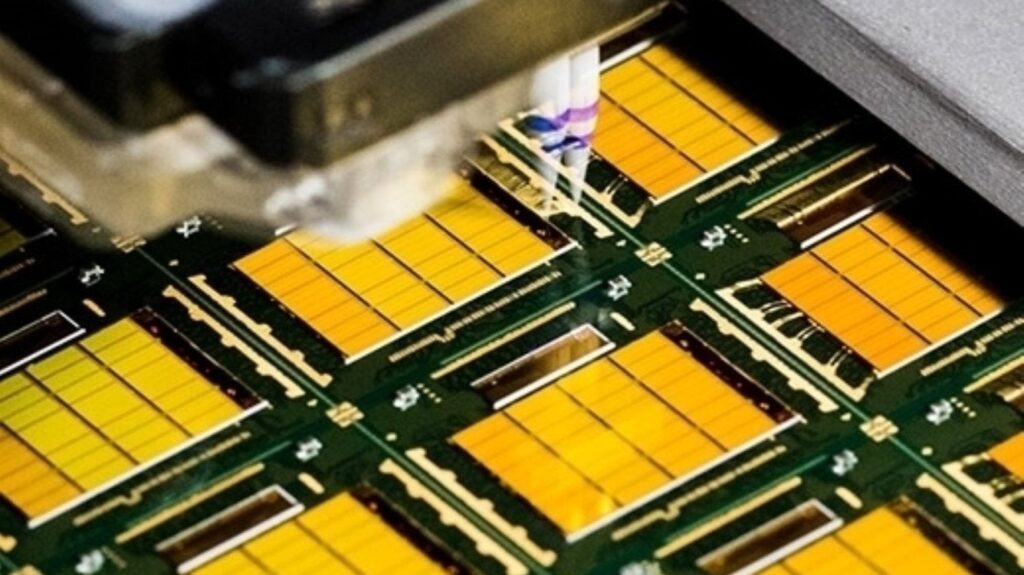
DRAM Supply Crisis Timeline
| Memory Type | Supply Status | Market Share Shift | Price Impact |
|---|---|---|---|
| Commodity DRAM (DDR4/DDR5) | Constrained until 2028 | Server: 38%→53% by 2030 | 40% Q4 price hikes |
| HBM & SOCAMM | Capacity expanding | AI-driven demand | Not constrained |
| NAND/SSD | Consumer lagging | Server priorities | Higher SSD prices |
| AI PC Share | Growing rapidly | 55% of PCs by 2026 | Per-system memory up |
Why the Shortage Persists
Memory manufacturers have deliberately chosen conservative capacity expansion strategies prioritizing profitability over flooding markets. Supplier inventories have dropped to historically low levels, intensifying allocation pressures. Unlike past cycles where manufacturers ramped production aggressively, SK Hynix and competitors now maintain disciplined output to avoid price-killing oversupply.
The AI boom fundamentally restructured demand. Cloud service providers building AI training data centers require exponentially more server DRAM—projected 24% annual growth. This AI-driven “DRAM super-cycle” shifts production from consumer PCs to data centers where margins exceed 70% for general-purpose DRAM.
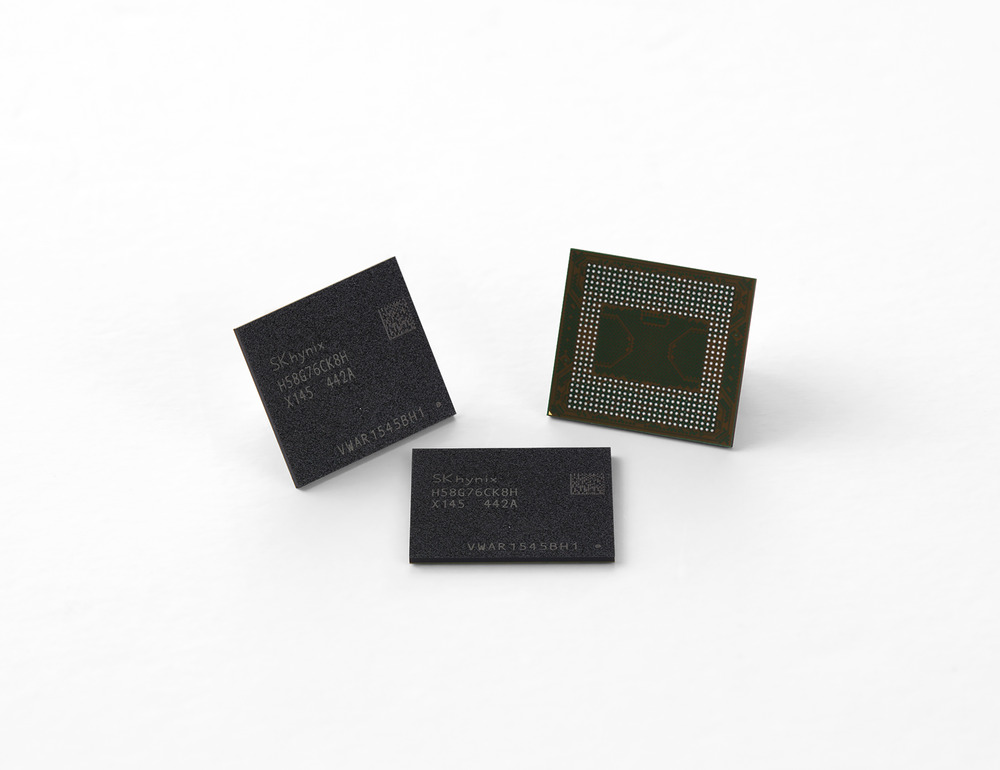
Consumer DRAM Gets Squeezed
Commodity DRAM includes DDR5, DDR4, GDDR6/GDDR7, and LPDDR5x/LPDDR6—the memory powering PCs, consoles, and smartphones. SK Hynix’s analysis explicitly excludes HBM (high-bandwidth memory for AI GPUs) and SOCAMM modules from supply constraints, meaning advanced memory for enterprises expands while consumer options stagnate.
Reports indicate manufacturers have already sold out key DRAM production slots for 2026. Traditional PC DRAM production falls short of demand through at least 2028, with new fab capacity not arriving until late that year. Long lead times for constructing facilities (typically 2-3 years) mean current decisions determine 2028 availability.
Real-World Price Impact
Samsung and SK Hynix—controlling 70% of global DRAM—closed Q4 2025 contracts at unit prices roughly 40% higher than Q3. SK Hynix even paused shipments to renegotiate contracts upward by similar margins. These wholesale increases cascade to consumers: 64GB DDR5 kits reaching $500, with 256GB DDR4 server memory hitting $3,000+.
Epic Games CEO Tim Sweeney called RAM prices “a real problem for high-end gaming for several years,” acknowledging the squeeze on gaming enthusiasts who depend on affordable memory upgrades. Framework laptops raised prices, Dell hiked systems up 30%, and smartphones now ship with less RAM than planned.

The AI Priority Problem
Server DRAM share grows from 38% (2025) to projected 53% (2030) as hyperscale cloud providers sign multi-year contracts guaranteeing supply. AI PCs—expected to reach 55% of 2026 shipments—actually worsen consumer supply because they require more memory per system despite overall PC shipments remaining flat.
SK Hynix’s new M15X fab, opening ahead of schedule at $3.6 billion cost, dedicates entirely to HBM production for AI accelerators. The company plans installing 20 Low-NA EUV lithography machines over two years—all for HBM and advanced storage, with zero capacity benefiting commodity DRAM.
Samsung’s Partial Pivot
While SK Hynix doubles down on AI memory, Samsung reportedly reallocates some HBM production back to regular DRAM to meet demand. This strategic difference offers consumers slight relief, though Samsung maintains profitability-first approach with cautious CAPEX spending focused on balancing pricing with customer demand.
Samsung’s P5 fab construction resumed with capacity expected by 2028, though specifics on consumer DRAM allocation remain unclear. The company accelerates its 1c DRAM node transition, but industry analysts warn these measures won’t significantly ease current shortages.
What Consumers Should Do
Buy memory now if you’re planning upgrades—prices won’t improve for years. Consider used markets for older DDR4 systems where scalpers haven’t inflated prices 9x yet. For tech builders planning future systems, factor memory costs heavily into budgets, as 32GB DDR5 configurations that seemed reasonable in 2024 now represent significant investments.
NAND shortages mirror DRAM trends, with consumer SSD supply lagging server demand where margins run higher. Expect storage prices maintaining upward pressure through 2027-2028 alongside memory.