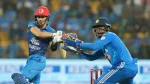
When Shikhar Dhawan addressed thousands of young athletes at Chhatrasal Stadium on February 13, his message cut through typical brand ambassador pleasantries: “I want to inspire young athletes and help create champions of tomorrow.”
The occasion? Delhi’s inaugural Khel Mahakumbh 2026, launched by Chief Minister Rekha Gupta—a multi-sport initiative positioning 20,500+ athletes across 16 venues as the capital’s boldest grassroots sports bet. This isn’t ceremonial photo-op politics. It’s structured infrastructure meeting athletic ambition, backed by Dhawan’s Da One Group as Sports Development Partner.
Table of Contents
Why This Matters More Than Another Sports Festival
India hosts countless sports festivals annually, most generating enthusiasm that evaporates within weeks. The Delhi Khel Mahakumbh distinguishes itself through systematic design: athletes from all 12 Delhi districts compete across basketball, football, athletics, kabaddi, wrestling, squash, and volleyball throughout February at facilities like Rajiv Gandhi Stadium, Thyagaraj Stadium, and Prahladpur Sports Complex. But infrastructure alone doesn’t create champions—the pathway from participation to professional opportunity does.

That’s where Da One Sports, founded by Dhawan, enters strategically. The Group’s philosophy centers on creating exposure opportunities and mentorship systems, not just tournament participation. Anshita Gupta, CEO of Da One Group, emphasized their commitment to “ensuring participation is supported by mentorship, systems and long-term progression pathways.”
For context, India has 750 million people under age 35, yet targets 30,000 participants this year with an ambitious long-term goal of reaching one lakh grassroots athletes annually—a progression model recognizing that sustainable sports ecosystems require scaling, not just launching.
| Delhi Khel Mahakumbh 2026 | Details |
|---|---|
| Launch Date | February 13, 2026 |
| Venue | 16 stadiums across Delhi |
| Sports Featured | Basketball, football, athletics, kabaddi, wrestling, squash, volleyball |
| Registered Athletes | 20,500+ participants |
| District Coverage | All 12 Delhi districts |
| Prize Structure | Team gold: ₹1.75L; Individual gold: ₹11,000 |
| Brand Ambassadors | Shikhar Dhawan, Ravi Dahiya, Sharad Kumar |
The Economic Architecture Behind Grassroots Development
The prize structure reveals serious intent. Team event gold medalists receive ₹1,75,000, silver ₹1,51,000, bronze ₹1,31,000. Individual event champions earn ₹11,000, silver ₹9,000, bronze ₹7,000. These aren’t token amounts—they’re competitive incentives that signal tangible value in athletic achievement at community levels, particularly critical in regions where sports participation competes economically with immediate income-generating activities.

Minister of Education and Sports Ashish Sood positioned the initiative ambitively: “Delhi is not just returning to sports, it is preparing to lead.” The subtext references decades where Delhi’s sporting infrastructure existed but systematic talent pipelines didn’t. Chhatrasal Stadium, while physically present, lacked the structured competition frameworks that transform facility access into performance outcomes.
Compare this to Kerala’s sports development model, which integrated grassroots tournaments with state-level academies, producing disproportionate representation in national teams relative to population. Delhi attempts similar architecture at compressed timelines—launching comprehensive multi-sport competition while simultaneously building mentorship infrastructure through partners like Da One Sports.
What Shikhar Dhawan’s Involvement Actually Signifies
Shikhar Dhawan isn’t merely lending celebrity credibility. His journey from Delhi’s Sonnet Club to international cricket captain embodies the exact progression pathway the Mahakumbh seeks to institutionalize. More importantly, Da One Sports operates as structured business, not philanthropic gesture. The company’s alignment with government initiatives suggests market validation—grassroots sports development has become commercially viable when executed systematically.
The Shikhar Dhawan Foundation separately focuses on education and digital empowerment for underserved communities, creating complementary ecosystem support. Athletes need more than training facilities; they require educational continuity, nutritional guidance, injury management—holistic support systems historically absent in Indian grassroots sports.
Delhi CM Rekha Gupta’s administration appointed three brand ambassadors: Arjuna Awardee Dhawan, Olympic wrestler and Khel Ratna recipient Ravi Dahiya, and Paralympic medalist Sharad Kumar. The strategic diversity spans cricket (mass appeal), wrestling (traditional strength), and para-sports (inclusivity signaling). This isn’t accidental—it positions the Mahakumbh as ecosystem-wide, not sport-specific.

The Sustainability Question Nobody’s Asking
Here’s the uncomfortable truth: India launches ambitious sports initiatives regularly, most fading after inaugural editions once political capital gets extracted. The Delhi Khel Mahakumbh’s one-month duration ending mid-March 2026 raises immediate questions—what happens to identified talent afterward? Who maintains engagement with the 20,500+ registered athletes between annual editions?
Da One Group’s partnership structure provides partial answers. As Sports Development Partner, they’ve committed resources beyond event execution—specifically mentorship infrastructure and progression pathways that theoretically continue post-tournament. Whether this translates to actual talent tracking systems, regional training programs, or athlete monitoring remains execution-dependent.
The initiative’s comparison to Khelo India is deliberate. Prime Minister Narendra Modi’s Khelo India Mission launched in 2018 with similar grassroots ambitions, achieving mixed results—successful at event organization, less effective at systematic talent conversion to elite performance levels. Delhi’s model attempts improvement through private sector partnership (Da One Sports) rather than purely governmental execution, potentially addressing resource allocation and continuity challenges that plague state-run programs.
The real test arrives in 2027. If the Delhi Khel Mahakumbh becomes biennial with demonstrable athlete progression stories—participants moving to state teams, national representation, professional contracts—then Dhawan’s vision of creating “champions of tomorrow” achieves validation. If it becomes annual photo opportunity without substantive athlete development tracking, it joins India’s long list of well-intentioned sports initiatives that generated headlines but not champions.
For now, 20,500 young athletes have unprecedented platform access. Whether that access converts to actual opportunity depends on execution beyond opening ceremonies—the unglamorous work of systematic talent identification, sustained mentorship, and resource allocation that happens when cameras leave and politicians move to the next agenda items.