Samuel Umtiti, the French defender who scored the decisive goal in the 2018 World Cup semifinal, has courageously revealed that he fell into depression following France’s triumph in Russia. In a powerful new documentary titled “Têtes plongeantes” (Diving Heads), the 32-year-old former Barcelona star opened up about his mental health struggles, encouraging others to break the silence surrounding this critical issue.
The revelation comes as part of an unprecedented effort by several 2018 World Cup champions to address mental health awareness, with Umtiti delivering a message of hope to those suffering in silence: “I really encourage people to talk about it, to take that time. You won’t be seen as someone crazy, or someone who’s different. Everyone goes through this at some point. So: Go for it and open up.”
Table of Contents
From World Cup Glory to Mental Health Crisis
Samuel Umtiti’s journey from the pinnacle of world football to the depths of depression illustrates how quickly fortunes can change in professional sports. The defender was instrumental in France’s 2018 World Cup campaign, starting seven of their eight matches in Russia. His header against Belgium in the semifinal proved decisive, securing a 1-0 victory that sent Les Bleus to the final.
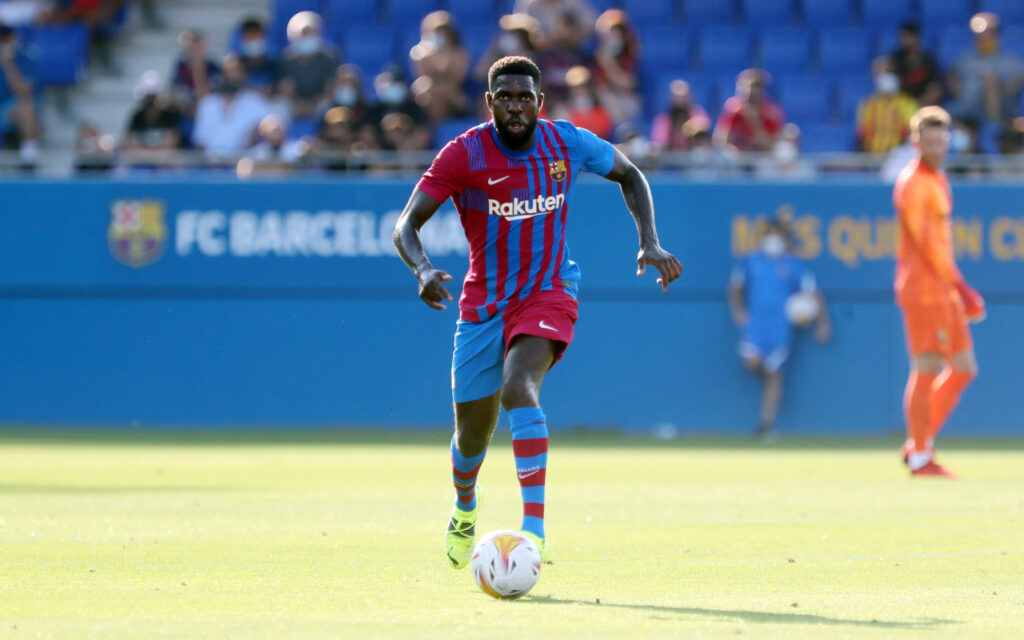
However, Umtiti entered the tournament carrying a significant knee problem. Barcelona’s medical staff diagnosed him with a cartilage issue and recommended surgery, but the defender made the fateful decision to postpone the operation to participate in the World Cup. While this choice allowed him to lift football’s most prestigious trophy, it came at an enormous personal cost.
The physical injury that plagued Samuel Umtiti following the World Cup became the catalyst for a profound mental health crisis that would define the remainder of his career. What fans and observers didn’t see was the psychological toll of dealing with chronic pain, public criticism, and the inability to perform at the level that had made him one of Europe’s most promising defenders.
The Isolation and Loneliness That Consumed Him
In the documentary “Têtes plongeantes,” produced by Lenny Grosman and supported by the French government as part of Mental Health National Cause 2025, Umtiti provides a raw account of his struggles. The film features several 2018 World Cup champions including Raphaël Varane, Olivier Giroud, Blaise Matuidi, Djibril Sidibé, and women’s international Gaëtane Thiney, participating in discussion circles with young people facing mental health challenges.
Samuel Umtiti described how he went from the mountain of World Cup glory to the very bottom in a matter of months. The defender revealed that loneliness became his greatest enemy during the darkest period of his life, admitting he barely left his house as depression consumed him.
“Looking back, I know that mentally I was very, very, very affected by it, perhaps by the bouts of depression,” Umtiti confessed in the documentary. “There were so many things… I didn’t even leave my house. People didn’t know all of this. They thought: ‘Anyway, if he doesn’t show anything on social media, it means he’s not doing anything.'”
The cruel irony of Umtiti’s situation was that while he struggled privately, public perception painted a different picture. Barcelona supporters, frustrated by his prolonged absence and perceived lack of progress, criticized him for not working hard enough to return to fitness. These accusations only deepened his psychological wounds.
The Hidden Battle Behind Public Criticism
Samuel Umtiti revealed that he was working harder than anyone could imagine during his recovery attempts, often completing two or three training sessions per day while following specialized treatment protocols. He drastically altered his lifestyle, eliminating meat and fish from his diet in an attempt to reduce the inflammation in his knee.
“But I worked so hard, I was doing two or three training sessions a day, I had a prep course… It was incredible what I was doing, I didn’t even really have a life, I didn’t see my friends,” Umtiti explained. “Everyone thought I was happy because I was earning money, but it was the human aspect and playing football that interested me, and I had neither.”
The defender emphasized that the criticism stung particularly deeply because it was so divorced from reality. While fans speculated about his commitment, Umtiti was battling not just physical pain but the mental anguish of losing his identity as a footballer while feeling powerless to change his circumstances.
Barcelona eventually terminated his contract three years early in 2023, with Umtiti having played just 50 more times for the club following the 2018 World Cup. The physical deterioration that began with his decision to play through pain in Russia had cascaded into a career-defining crisis that cost him his place at one of Europe’s biggest clubs.
Breaking Football’s Mental Health Taboo
Samuel Umtiti’s willingness to discuss his depression publicly represents a significant moment in football’s evolving relationship with mental health. The sport has historically treated psychological struggles as a weakness or taboo subject, with players expected to maintain an image of invincibility regardless of their internal battles.
In the documentary, Umtiti emphasized how keeping silent about mental health issues can be deadly. “Loneliness is something very strong that can truly kill a person,” he stated. “Not talking about it can kill. That’s what happened to me for months and months. I had the impression of being there without being there.”
The former Lyon academy graduate revealed that he initially struggled to even articulate what he was experiencing. “I kept silent about it. I hadn’t talked about it before because, already, I was struggling to put words to what I was going through. And then, as a player, I think it’s a very taboo subject,” Umtiti admitted.
The turning point came when he began opening up about his struggles. Participating in discussion circles with young people facing similar mental health challenges provided Samuel Umtiti with perspective and healing. “It did me enormous good. These were topics I had never dared to discuss. Talking with people who were going through the same thing helped me so much,” he reflected.
A Message of Hope and Encouragement
Samuel Umtiti’s primary motivation for participating in “Têtes plongeantes” was to help younger generations who might be suffering in silence. The documentary deliberately brings together World Cup champions—role models for millions of young people—with adolescents dealing with depression, anxiety, harassment, and other mental health issues.
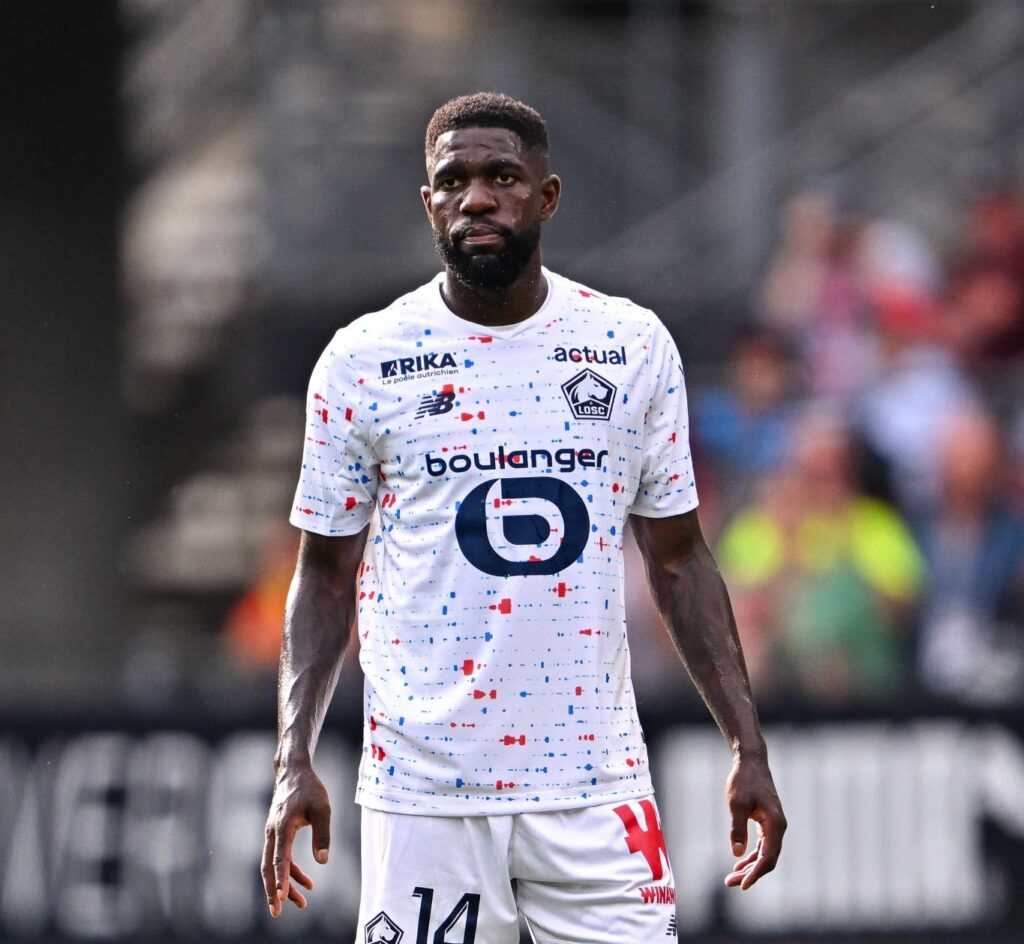
“I think it’s essential to talk about this subject, which is very important to me,” Umtiti stated. “I lived it, it hurt me, and I think that with our visibility we can help others—that’s why we made this documentary.”
His central message resonates with particular power given his status as a World Cup winner: “I really encourage people to talk about it, to take that time. You won’t be seen as someone crazy, or someone who’s different. Everyone goes through this at some point. So: Go for it and open up.”
This encouragement directly addresses one of the primary barriers preventing people from seeking help—the fear of being stigmatized or judged. By emphasizing that mental health struggles are universal rather than exceptional, Samuel Umtiti helps normalize conversations that can literally save lives.
The Broader Context of Mental Health in Football
The “Têtes plongeantes” documentary reveals that Samuel Umtiti’s struggles were not unique among France’s World Cup winners. Raphaël Varane disclosed that he experienced depression at age 18 after joining Real Madrid, feeling professionally successful but personally isolated and unwell. Gaëtane Thiney shared how a missed penalty in the 2015 Women’s World Cup quarterfinal against Germany triggered two years of sleep problems and weight loss.
These testimonies from accomplished athletes underscore an important truth: success, fame, and financial security do not provide immunity from mental health challenges. If anything, the pressures of elite sport, the public scrutiny, and the physical demands can exacerbate psychological vulnerabilities.
Statistics support the urgency of addressing mental health issues. According to the French government’s Service d’Information, 13 million French citizens are affected by mental health disorders annually. Among young people aged 18-25, one in three experiences mental health problems. Yet 60 percent of French people prefer not to discuss their mental health struggles, highlighting the persistent stigma that documentaries like “Têtes plongeantes” aim to combat.
Life After Barcelona and Retirement
Samuel Umtiti’s career trajectory after leaving Barcelona illustrated the profound impact his knee problems had on his ability to compete at the highest level. He joined Lecce on loan for the 2022-23 season, making 25 appearances in Serie A, where he unfortunately experienced racial abuse from Lazio supporters during a January 2023 match.
Following Barcelona’s early contract termination, Umtiti signed with Lille in 2023 as a free agent. However, his physical struggles persisted, limiting him to just 13 appearances for the French club. In September 2024, at age 32, Samuel Umtiti announced his retirement from professional football.
The French national team honored him before a World Cup qualifier in November, recognizing his contributions to France’s 2018 triumph. Umtiti finished his international career with 31 caps and two goals, having also been part of the squad that reached the Euro 2016 final.
The Power of Speaking Out
Samuel Umtiti’s decision to speak publicly about his depression represents more than personal catharsis—it’s an act of service to others who may be suffering. By using his platform as a World Cup winner to address mental health, he helps dismantle the harmful notion that seeking help is a sign of weakness.
The director of France’s Service d’Information du Gouvernement, Michaël Nathan, emphasized the importance of having role models discuss mental health: “Giving the floor on the subject of mental health to world champions, role models for an entire generation, is fundamental. This experience encourages everyone to break the silence: mental health is everyone’s business, even that of their idols.”
For Samuel Umtiti, the journey from World Cup hero to someone unable to leave his house and back to a place where he can share his story publicly demonstrates the resilience of the human spirit. His message—that talking about mental health challenges doesn’t make you crazy or different—offers hope to countless individuals who may be struggling in silence.
Samuel Umtiti’s revelation about falling into depression after the 2018 World Cup serves as a powerful reminder that mental health challenges can affect anyone, regardless of their achievements or status. His courage in sharing his story, combined with his encouragement for others to speak up, represents an important step forward in breaking down the stigma surrounding mental health in sports and society at large.
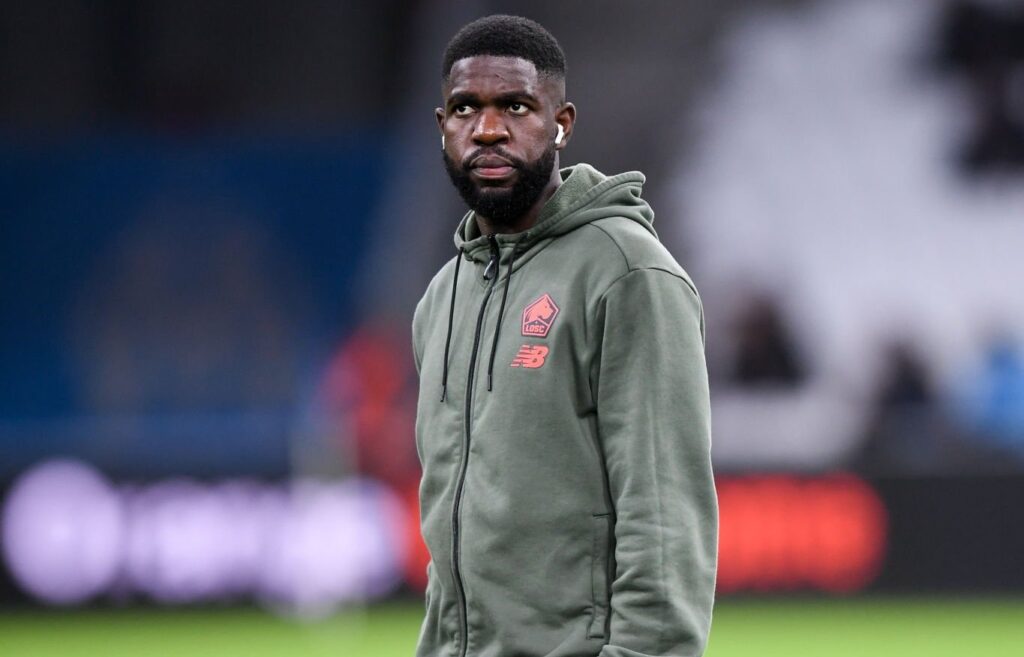
The former Barcelona defender’s message is clear and urgent: “Go for it and open up.” In a world where silence can be deadly and isolation can consume even those who seem to have everything, Umtiti’s willingness to be vulnerable may well save lives. His legacy extends beyond the decisive header against Belgium—it includes the lives touched by his honesty about the invisible battles fought far from the football pitch.
FAQs
What happened to Samuel Umtiti after the 2018 World Cup?
Samuel Umtiti fell into depression after the 2018 World Cup, struggling with chronic knee problems that severely limited his playing time at Barcelona. He revealed in the documentary “Têtes plongeantes” that loneliness and public criticism during his injury struggles led to bouts of depression where he barely left his house.
Why did Samuel Umtiti’s career decline after winning the World Cup?
Umtiti chose to delay knee surgery to participate in the 2018 World Cup despite Barcelona doctors recommending the procedure. This decision, while allowing him to win the tournament, led to chronic knee problems that plagued the rest of his career. The physical issues combined with mental health struggles caused his career to deteriorate significantly.
What is the documentary “Têtes plongeantes” about?
“Têtes plongeantes” (Diving Heads) is a 56-minute documentary about mental health featuring 2018 World Cup champions Samuel Umtiti, Raphaël Varane, Olivier Giroud, Blaise Matuidi, and Djibril Sidibé. The film shows these athletes participating in discussion circles with young people, sharing their experiences with depression, anxiety, and other mental health challenges.
What message does Samuel Umtiti have about mental health?
Samuel Umtiti encourages people to talk openly about mental health struggles, stating: “I really encourage people to talk about it, to take that time. You won’t be seen as someone crazy, or someone who’s different. Everyone goes through this at some point. So: Go for it and open up.”
When did Samuel Umtiti retire from football?
Samuel Umtiti announced his retirement from professional football in September 2024 at age 32. He was honored by the French national team before a World Cup qualifier in November 2024, recognizing his contributions to France’s 2018 World Cup victory.